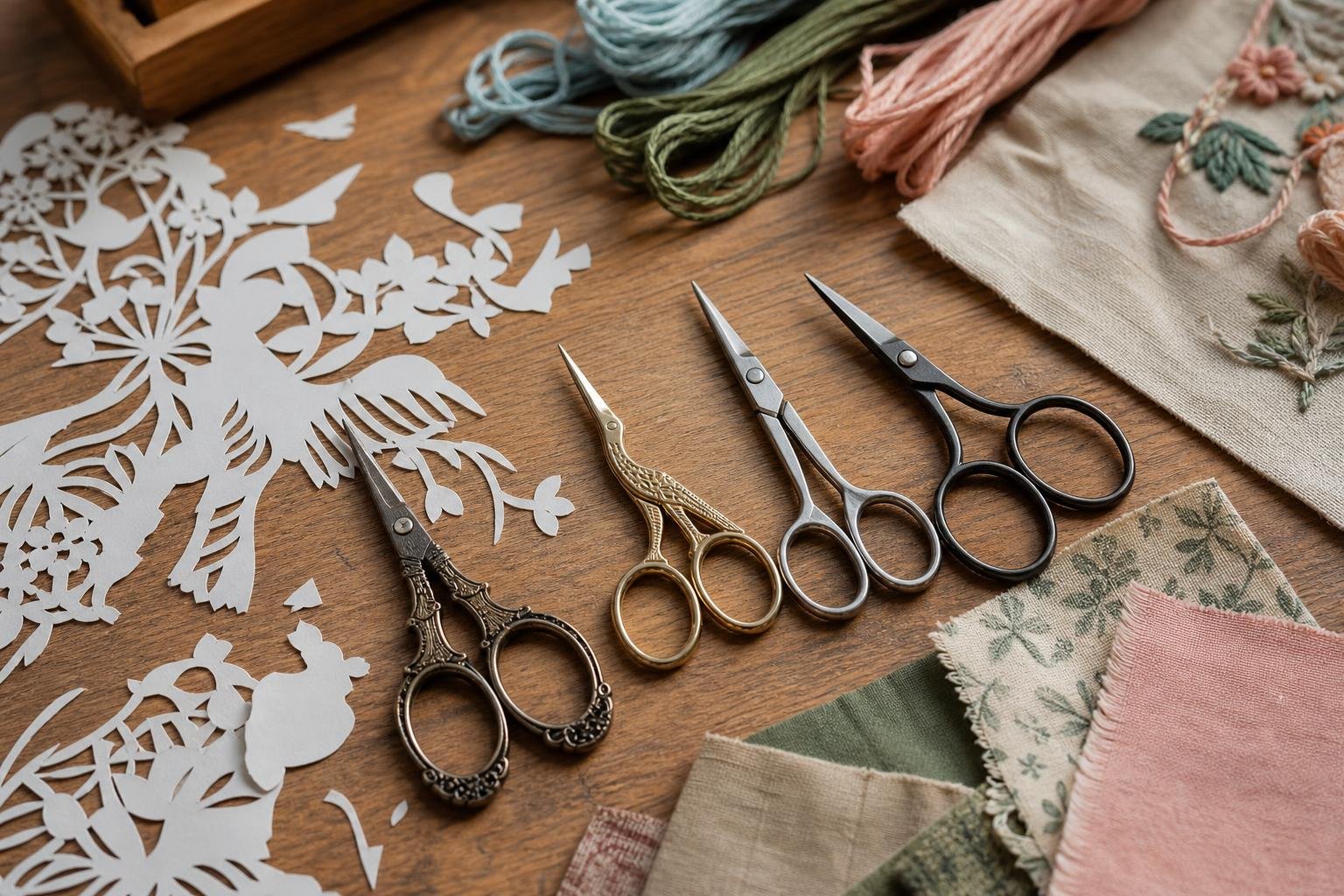
The best craft scissors for precision cutting let you follow a pencil line into the tightest corner, snip a single thread without pulling the fabric and cut out a tiny paper petal without tearing it. Ordinary household scissors are built for speed, not accuracy, so their tips are thick, their blades are long and they rarely cut cleanly right to the point.
We compared micro-tip, non-stick, spring-assisted, curved, serrated, left-handed and mini designs from Fiskars, Westcott, Tim Holtz, Kai, Gingher and Beaditive to find craft scissors for precision cutting that suit different hobbies and hands. Every pick below is available on Amazon, and each one solves a different problem, from cutting sticky vinyl to trimming appliqué edges.
If you are still building your toolkit, our guide to the best craft tool sets for home projects covers the rest of the essentials, and the best craft cutting mats pair well with any pair of detail scissors.
Our top craft scissors for precision cutting at a glance
Here is how the nine pairs compare on blade length, blade type and the jobs they suit best. Scores reflect our editorial assessment of tip accuracy, comfort and value, based on manufacturer specifications and patterns in buyer feedback.
| Blade length | Blade type | Best used for | Precision | Comfort | Value | ||
|---|---|---|---|---|---|---|---|

Fiskars No. 5 Micro-Tip Scissors
Best overall
|
5 in | Stainless micro-tip | Paper, fabric, all-round detail | Check price | |||

Westcott Titanium Non-Stick Micro-Tip
Best non-stick
|
5 in | Titanium bonded, non-stick | Tape, vinyl, stickers | Check price | |||

Fiskars Easy Action Micro-Tip
Best for tired hands
|
Micro-tip | Spring-assisted stainless | Long sessions, arthritis | Check price | |||

Tim Holtz 7-Inch Titanium Snips
Best for paper crafts
|
7 in | Micro-serrated, non-stick | Card making, mixed media | Check price | |||

Kai 5100 Needlecraft Scissors
Best for needlecraft
|
4 in | Hardened stainless | Thread, embroidery, beading | Check price | |||

Gingher Curved Embroidery Scissors
Best curved blades
|
4 in | Forged steel, curved | Appliqué, close trimming | Check price | |||
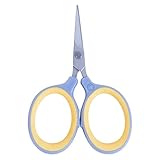
Westcott 2.5-Inch Fine-Tip Scissors
Best mini scissors
|
2.5 in | Titanium bonded micro-tip | Tiny cut-outs, ribbon, photos | Check price | |||
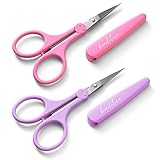
Beaditive Detail Scissors Set
Best budget set
|
4 in (2 pairs) | Stainless with caps | Scrapbooking, travel kits | Check price | |||

Tonic Studios Left-Handed Snips
Best left-handed
|
7 in | True left-handed, serrated | Left-handed crafters | Check price |
How we chose these craft scissors for precision cutting
We began with the complaints crafters raise most often in reviews and forums. The big ones are tips that do not quite meet, so the last millimetre of a cut tears instead of slicing; blades that gum up with adhesive after a few strips of tape; finger loops that are too small or too hard for comfort; and pivots that loosen until the blades wobble.
We then looked at how each pair suits real projects. Card makers need sharp points for fussy cutting, sewists need blades that snip threads flush with the fabric, and scrapbookers often cut sticker sheets and washi tape. That is why our list of craft scissors for precision cutting covers several blade styles rather than nine versions of the same design.
Finally, we weighed comfort, handedness, protective covers and value. A pair you reach for every day should feel good in the hand, stay sharp and not cost more than the job requires.
1. Fiskars No. 5 Micro-Tip Scissors: best overall
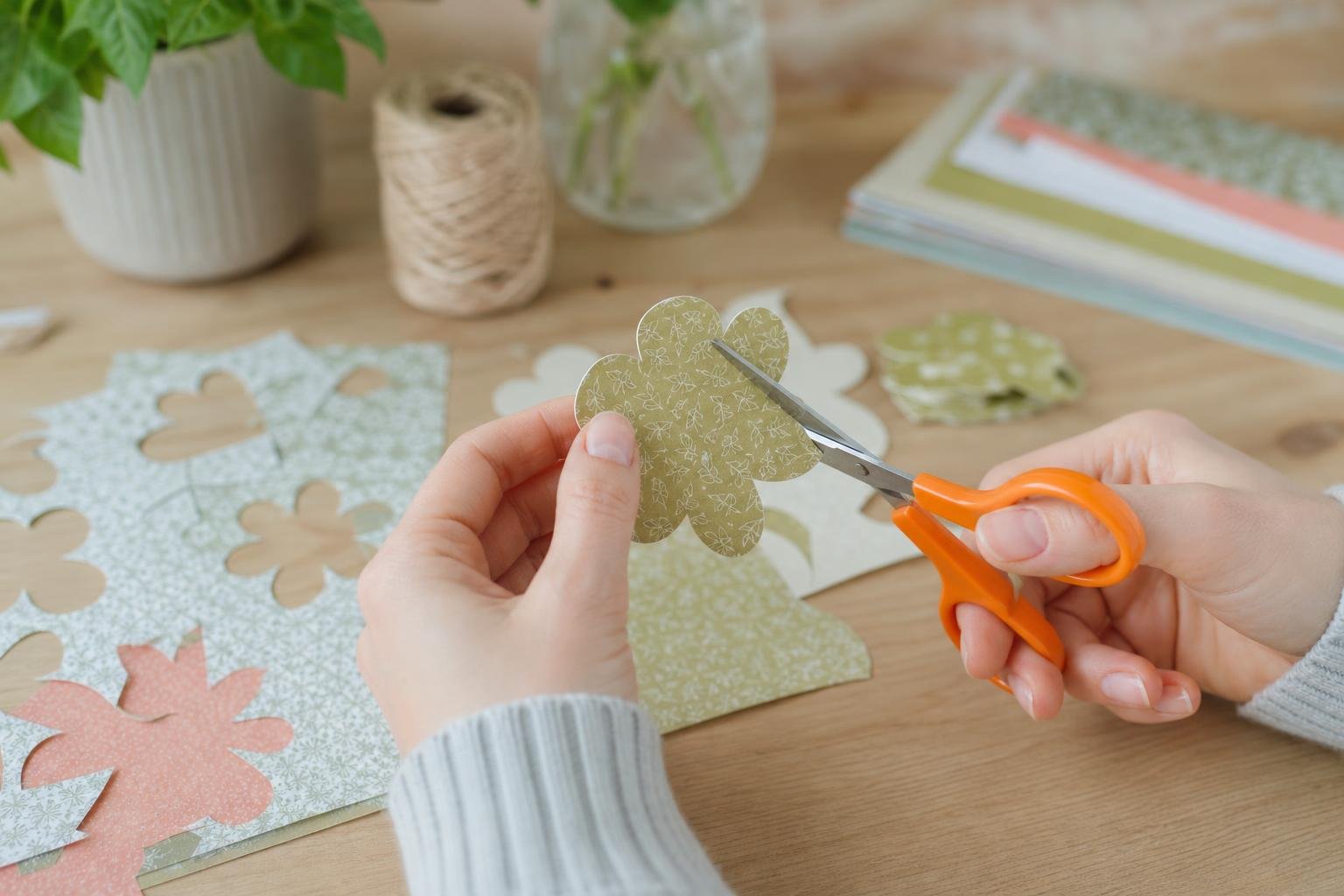
The orange-handled Fiskars No. 5 is the pair many crafters buy first and keep for decades. Of all the craft scissors for precision cutting we compared, it offers the best balance of accuracy, comfort and price. The 5-inch stainless steel blades are precision-ground and cut all the way to the tip, which is exactly what you need for tight curves and inside corners.
The micro-tip blades are slim enough to start a cut in the middle of a paper shape or snip into a seam allowance without overshooting. Fiskars describes the double-loop handle as ambidextrous, so left- and right-handed crafters can both use it, and the pair is covered by a lifetime warranty.
Some buyers find the loops a little small for large hands, and the blades are not coated, so sticky tape can leave residue that needs wiping off. Keep it for paper and fabric only, clean it with a soft cloth now and then, and it will stay sharp for a long time.
Accurate, comfortable and affordable micro-tip scissors that cut cleanly to the point on paper, card and fabric.
- Blades cut cleanly right to the tip
- Slim points reach into tight corners
- Comfortable for both hands
- Lifetime warranty
- Finger loops are snug for large hands
- No non-stick coating
2. Westcott Titanium Non-Stick Micro-Tip Scissors: best for sticky materials
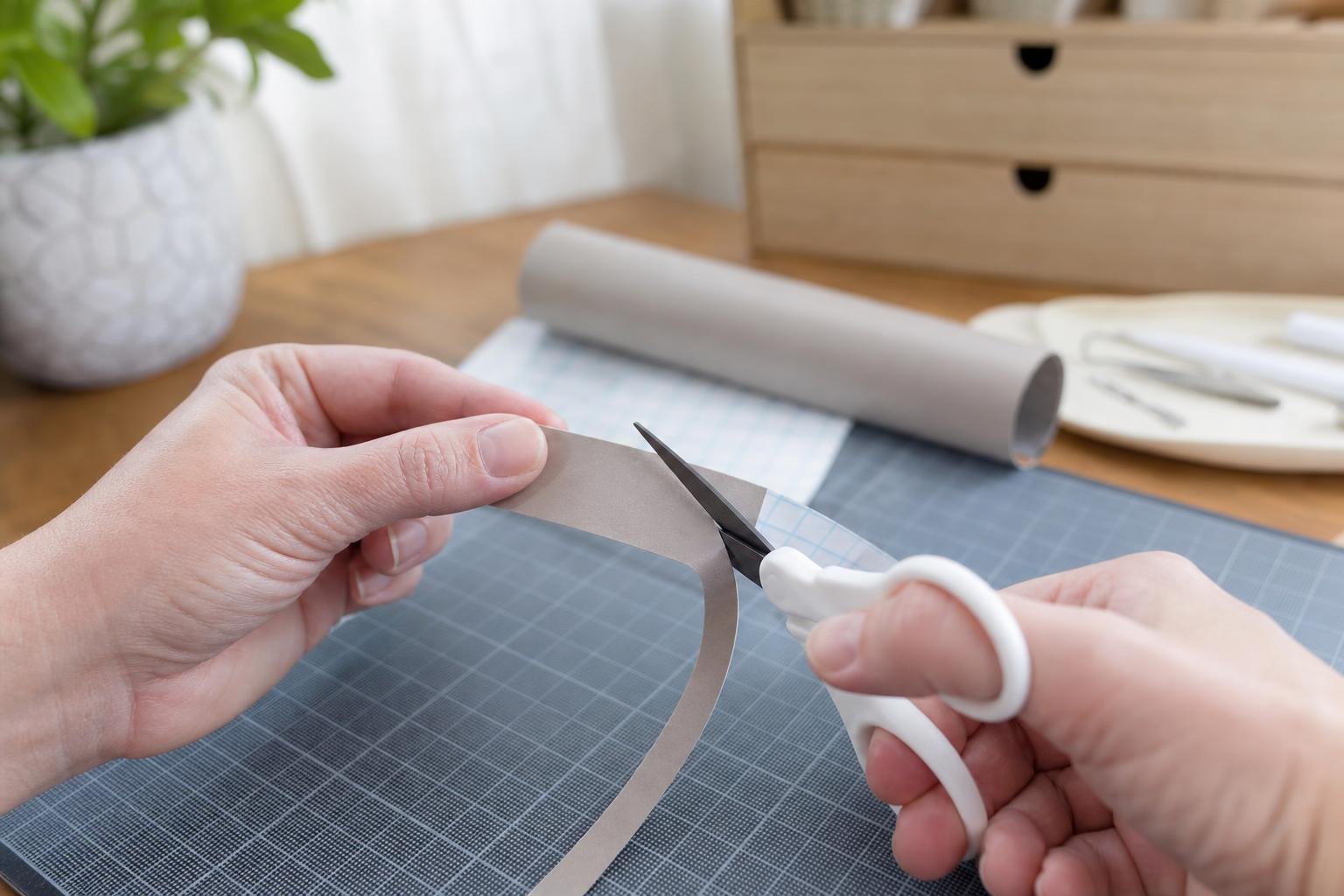
If you cut double-sided tape, adhesive vinyl, sticker sheets or hook-and-loop strips, ordinary blades soon collect a gummy film that drags on every cut. The Westcott 5-inch micro-tip pair tackles that with titanium-bonded blades and a non-stick coating that resists adhesive build-up and corrosion.
Westcott says its titanium-bonded blades last about six times longer than its previous formula, and the fine micro tip still handles detailed shapes. That makes it one of the most practical craft scissors for precision cutting in a scrapbooking or vinyl-crafting kit, where sticky materials are part of almost every project.
The coating can feel slightly less crisp than bare steel on very thin fabric, and the handles are simple rather than cushioned. For adhesive-heavy paper crafts, though, it is the pair that saves you constant cleaning.
A fine-tipped pair with a non-stick titanium coating that keeps cutting cleanly through tape, vinyl and stickers.
- Resists adhesive build-up
- Titanium bonding keeps blades sharp
- Fine micro tip for detail
- Good price
- Plain, uncushioned handles
- Less ideal for delicate silks
3. Fiskars Easy Action Micro-Tip Scissors: best for tired hands
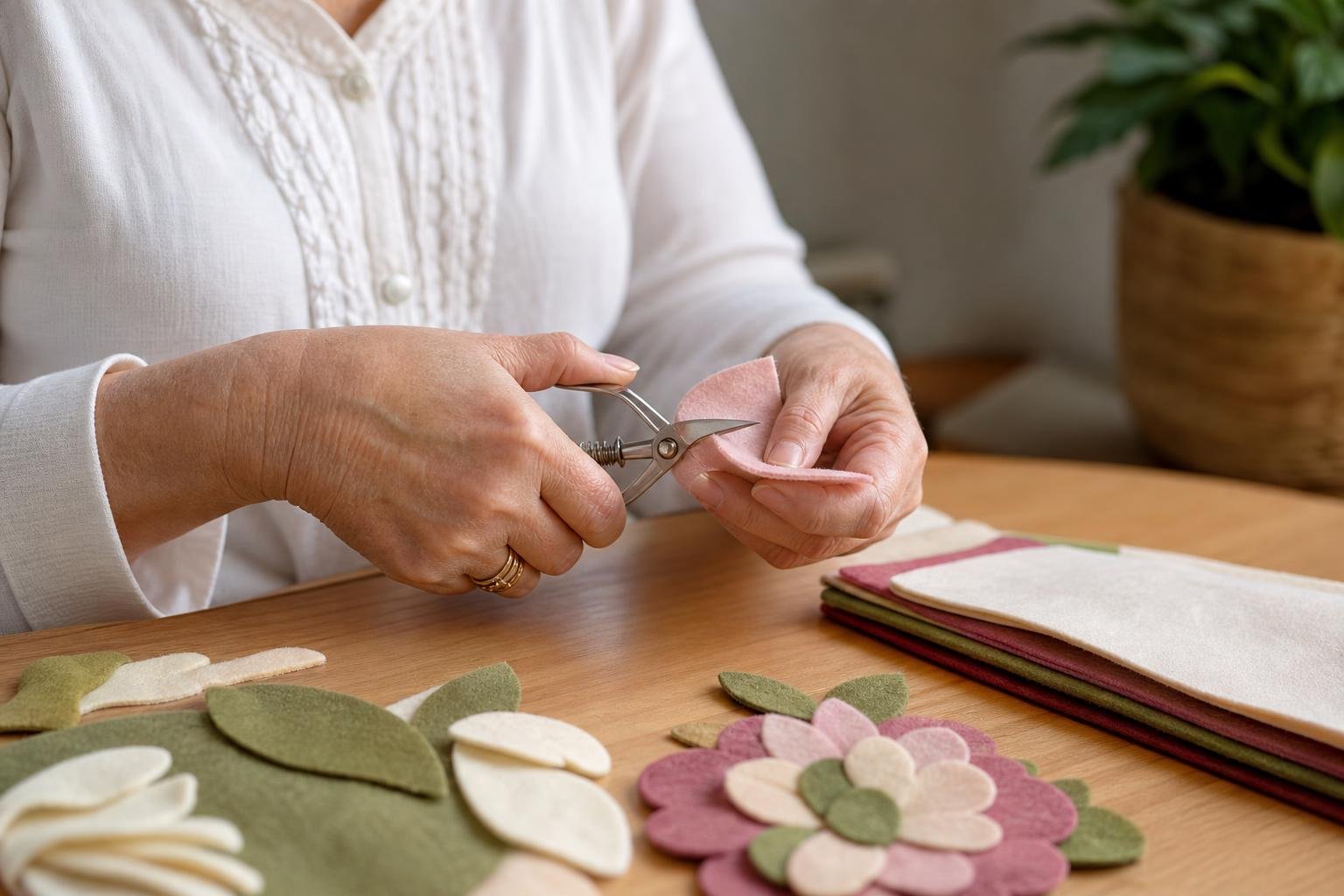
Detailed cutting means hundreds of small, repeated squeezes, and that adds up quickly for anyone with arthritis, weak grip or long crafting sessions. The Fiskars Easy Action pair uses a spring-assisted handle that opens the blades after every cut, so your hand only has to close.
The blades are the same No. 5 micro-tip style as our top pick, precision-ground stainless steel that cuts to the point, and Fiskars recommends them for fabrics from silk and felt to polyester and oilcloth. An easy-open thumb lock keeps the blades closed for safe storage in a craft box.
The grip style takes a few minutes to get used to if you are accustomed to finger loops, and the spring adds a little bulk. If your hands ache after an afternoon of cutting, though, these are the most comfortable craft scissors for precision cutting on our list.
Spring-assisted micro-tip scissors that open themselves after each cut, easing strain during long sessions.
- Spring action reduces hand fatigue
- Micro-tip blades cut to the point
- Thumb lock for safe storage
- Good on many fabrics
- Grip style takes getting used to
- Bulkier than standard scissors
4. Tim Holtz 7-Inch Titanium Snips: best for paper crafts
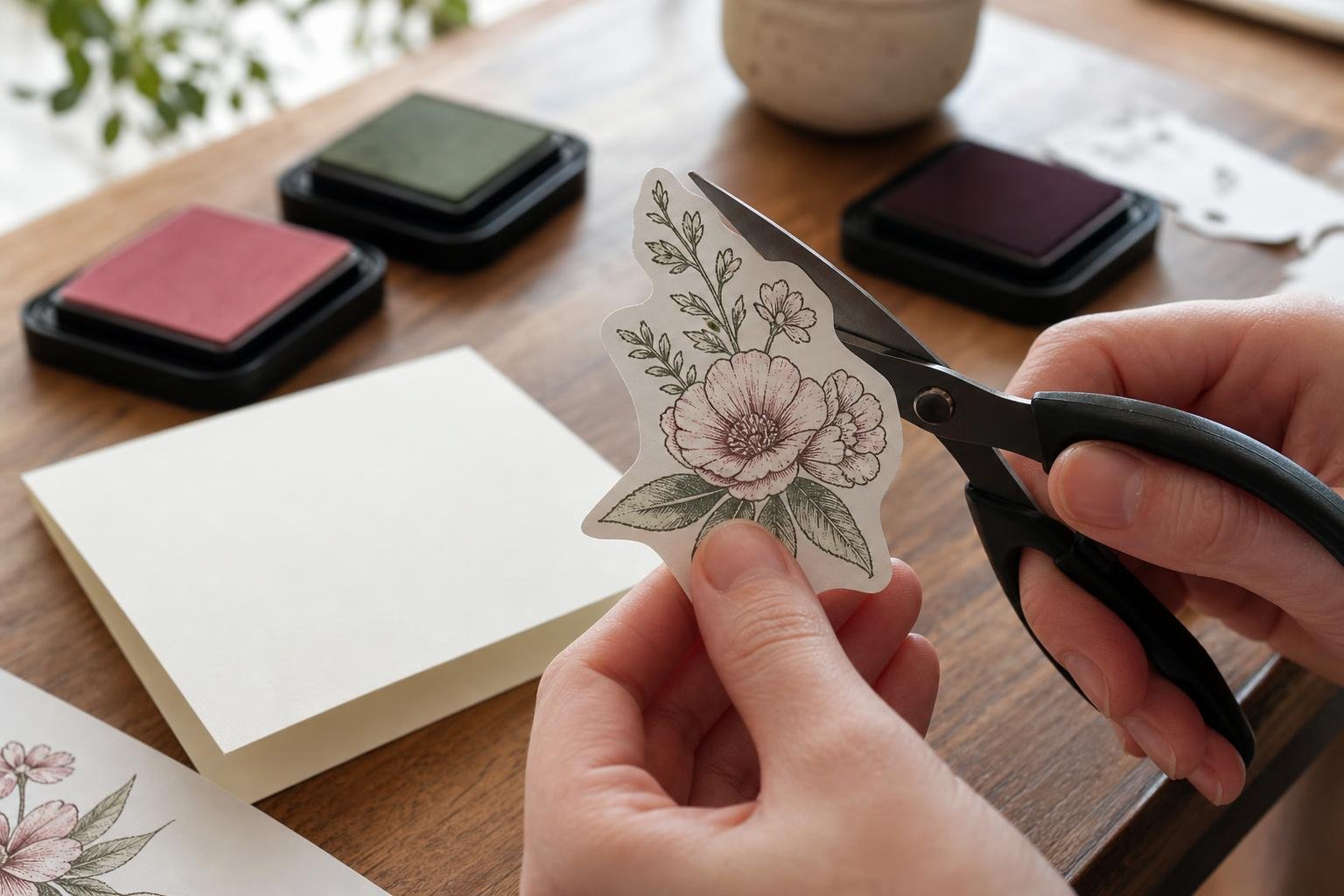
Tim Holtz designed these snips for card makers and mixed media artists, and it shows. The 7-inch blades are titanium-coated to resist adhesive, double-bevelled for accuracy and micro-serrated, which means tiny teeth grip slippery paper, acetate and thin plastic so they do not slide out of the blades mid-cut.
The cushioned Kushgrip handles are comfortable for long fussy-cutting sessions, and the slightly longer blades let you cut a long straight edge in fewer strokes before switching to the points for detail. They also handle ribbon, felt and light fabric.
The serrated edge can leave a faintly textured edge on very fine paper when viewed close up, and the pair is not designed for left-handed crafters (see our left-handed pick below). For stamping, die-cut trimming and collage, they remain some of the best craft scissors for precision cutting we found.
Non-stick, micro-serrated snips that grip paper, acetate and ribbon for clean fussy cutting.
- Serrations stop material slipping
- Titanium coating resists glue
- Cushioned grips
- Longer blades for straight edges
- Serrations can texture fine edges
- Right-handed only
5. Kai 5100 Needlecraft Scissors: best for thread and needlework
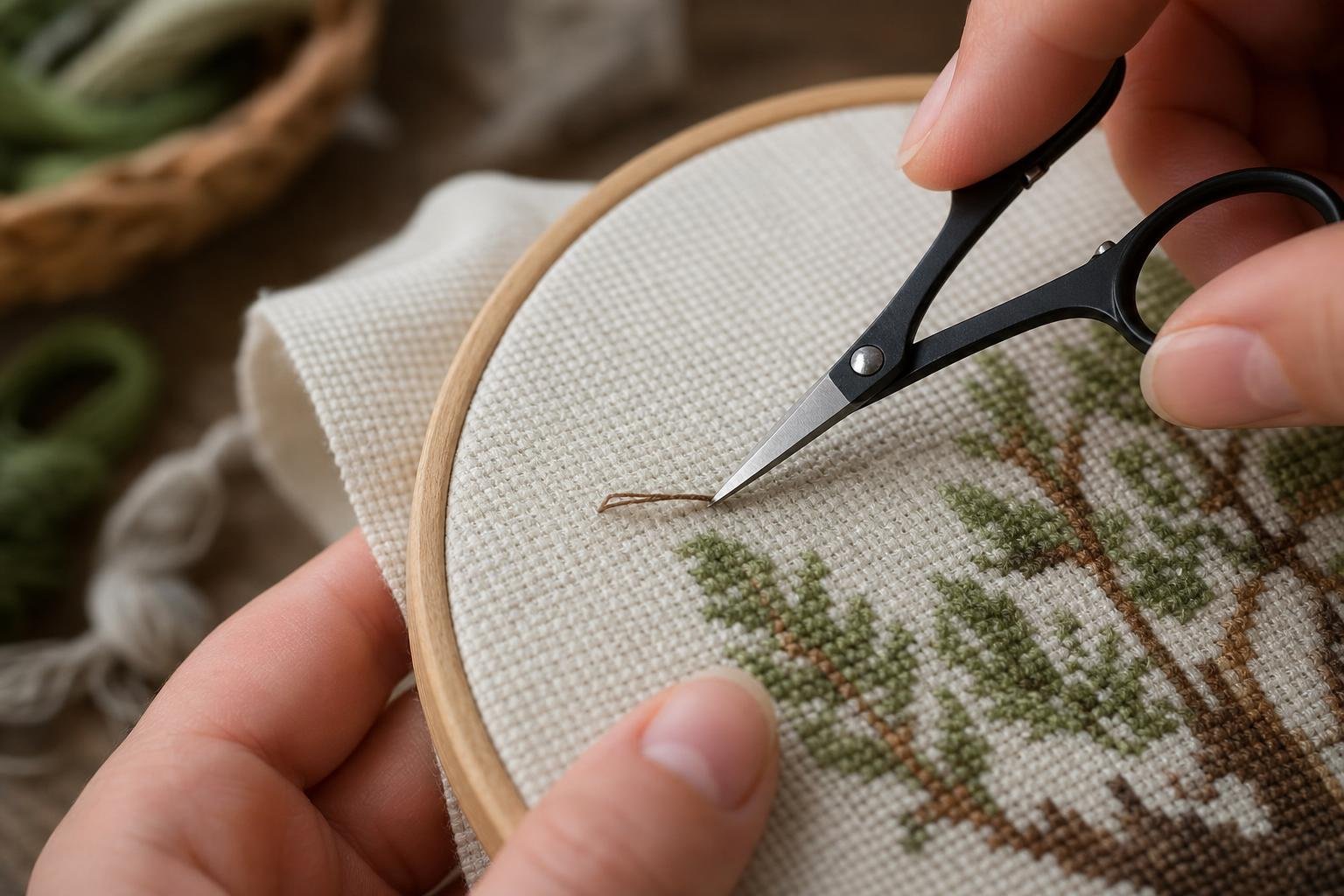
Kai is a Japanese blade maker with a strong following among quilters and stitchers, and the 5100 is its affordable entry into fine needlecraft scissors. The 4-inch hardened stainless steel blades taper to sharp points that clip threads flush with the fabric surface, perfect for cross stitch, embroidery, beading and even fly tying.
The compact size is a big part of the appeal. It sits comfortably in a project bag or on a lanyard and gives very fine control for snipping a single strand without nicking the surrounding stitches.
It is a small pair, so it is not the one for cutting out shapes from card, and there is no protective sheath in the box. As dedicated craft scissors for precision cutting of threads and small fabric details, though, it punches well above its price.
Compact, very sharp Japanese needlecraft scissors that snip threads flush and handle fine stitching work.
- Very sharp, fine points
- Clips threads flush to fabric
- Compact for project bags
- Excellent value for the quality
- Too small for card shapes
- No protective cover included
6. Gingher Curved Embroidery Scissors: best curved blades
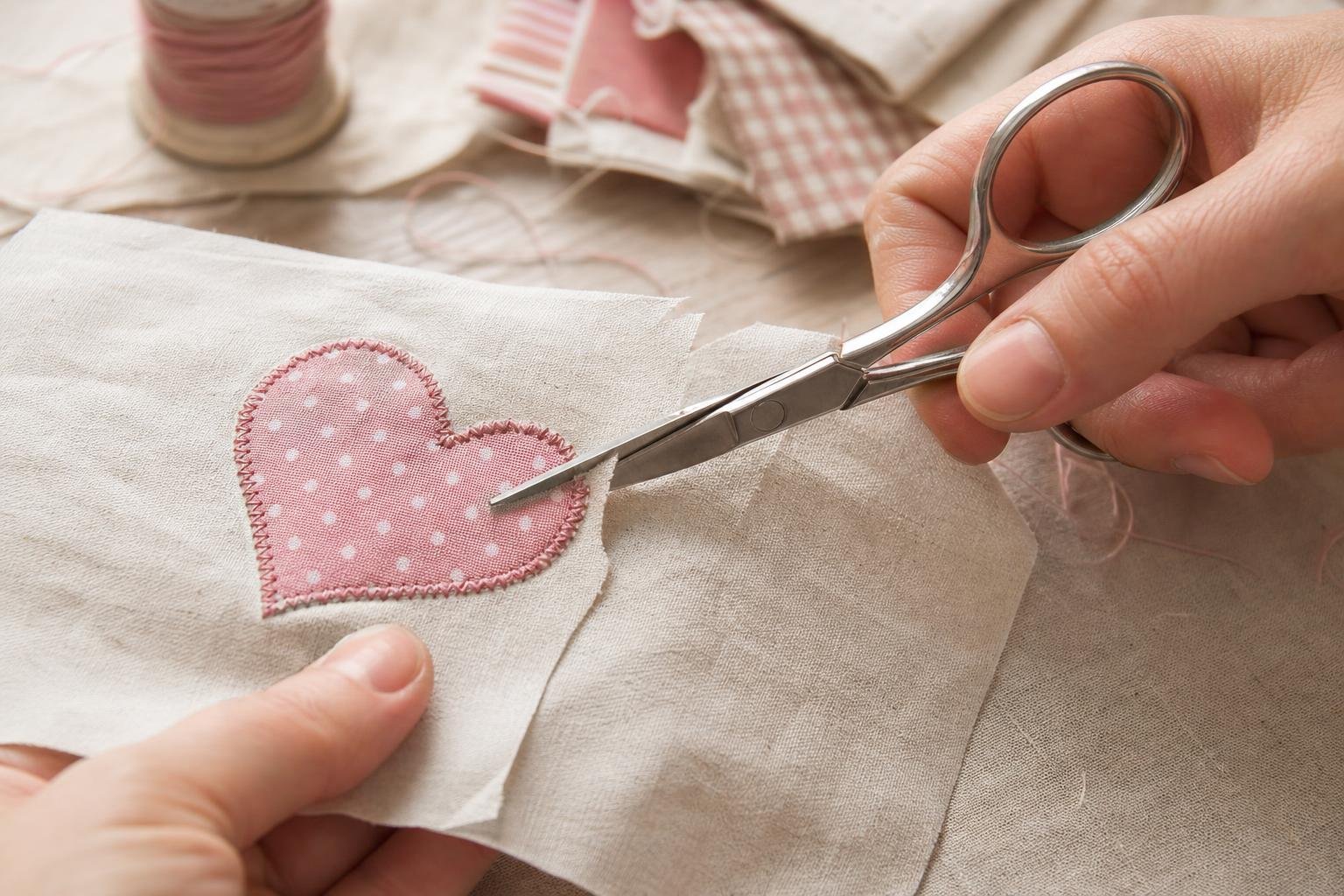
Curved blades let you trim close to a surface without the handles getting in the way, which is why they are a favourite for appliqué, machine embroidery and trimming jump stitches. This 4-inch Gingher pair is made from forged steel with hand-finished, knife-edge blades and a chrome-over-nickel plating.
The narrow curve lifts the handles away from the fabric, so you can trim the excess around an appliqué shape or under a hoop without cutting into the base layer. Knife-edge blades cut cleanly through several layers, and Gingher backs the pair with a lifetime guarantee on materials and craftsmanship.
It is the most expensive pair on our list, and like any forged scissors it should be kept strictly for fabric and thread. For sewists who need craft scissors for precision cutting close to the work, it is a long-term investment.
Premium forged scissors with curved, knife-edge blades for close trimming of appliqué and embroidery.
- Curve lifts handles clear of the fabric
- Forged, hand-finished blades
- Cuts several layers cleanly
- Lifetime guarantee
- Highest price on our list
- Should be kept for fabric only
7. Westcott 2.5-Inch Fine-Tip Scissors: best mini scissors
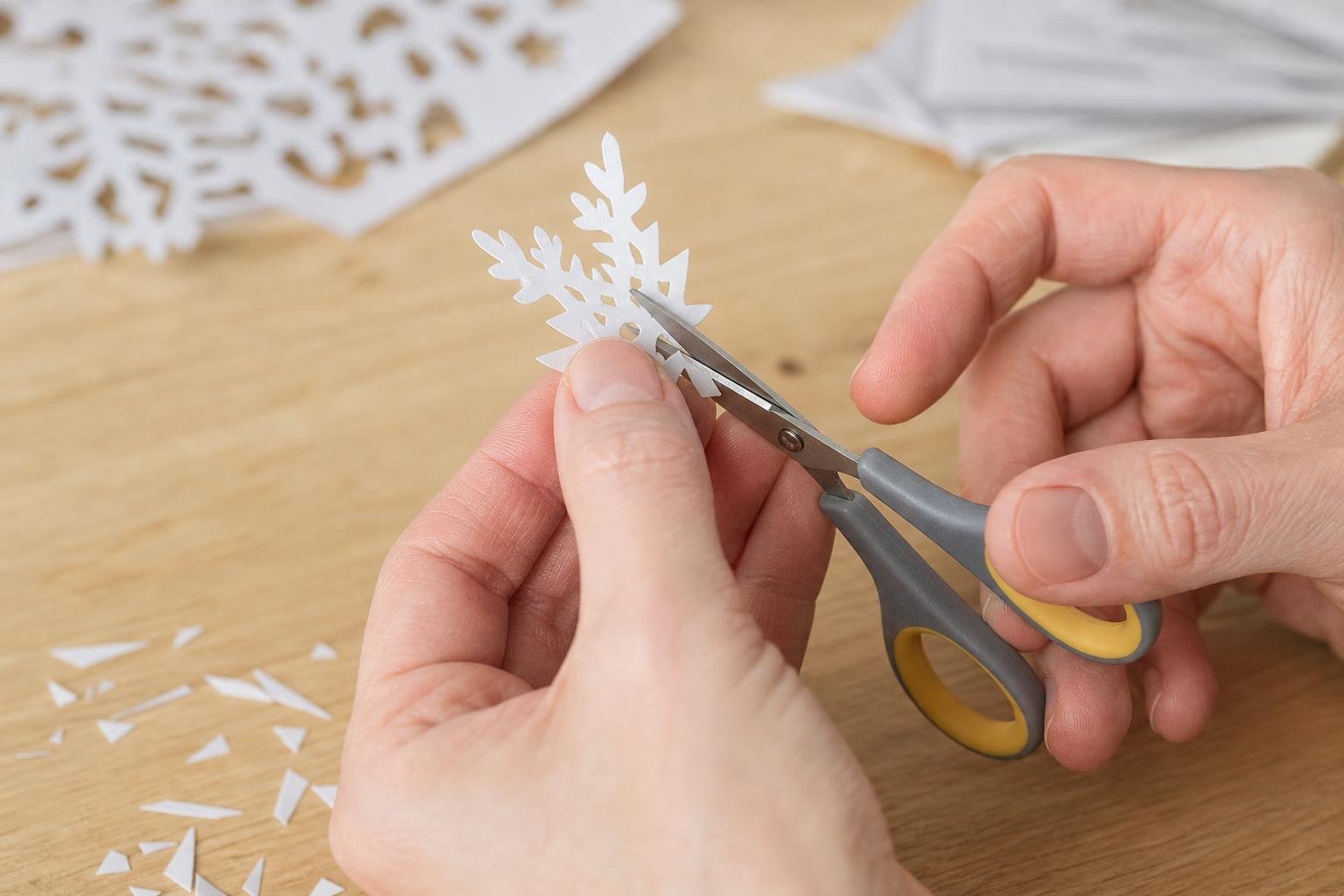
Sometimes the smallest scissors give the most control. The Westcott 2.5-inch pair has short titanium-bonded micro-tip blades that are harder than steel, so you can turn a tiny paper shape in your fingers while the blades nibble around it, a little like a craft knife but without needing a cutting mat.
They are aimed at light-duty jobs such as thread, ribbon, photos, stencils and small paper cut-outs. The soft handles give a surprisingly secure grip for such a small tool, and the size makes them easy to slip into a pencil case or travel kit.
Larger hands may find the handles cramped, and they are not meant for thick card or several layers of fabric. As a second pair for the finest details, they are one of the most useful craft scissors for precision cutting you can buy for the money.
Tiny titanium-bonded scissors that give excellent control for the smallest paper, ribbon and thread jobs.
- Exceptional control on tiny shapes
- Titanium-bonded micro tips
- Pocket-sized
- Low price
- Cramped for large hands
- Light-duty only
8. Beaditive Detail Scissors Set: best budget set
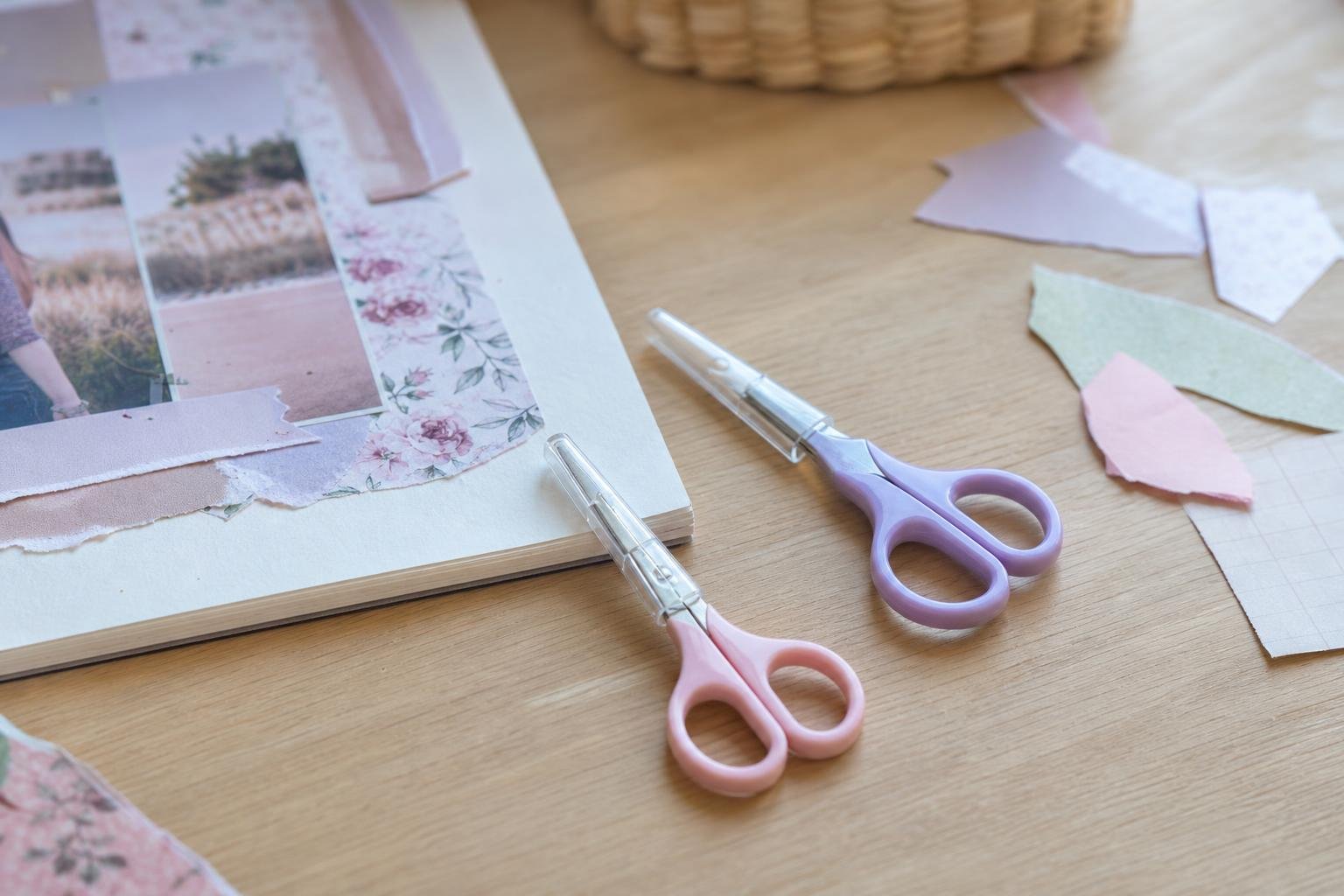
The Beaditive set gives you two 4-inch detail scissors, one pink and one purple, for less than the price of many single pairs. Both have stainless steel blades with fine tips and come with protective caps that cover the points in a craft bag and stop them catching on other tools.
Two pairs are handy in practice. Many crafters keep one for paper and one for fabric, so the fabric pair never gets dulled by card, or keep one at the craft table and one in a travel kit. The small size suits scrapbooking, fussy cutting and trimming threads.
The finish and blade alignment are not at the level of Kai or Gingher, and a few buyers report the pivot loosening over time. For beginners or anyone who wants spare craft scissors for precision cutting at a low price, the set is still very good value.
Two compact detail scissors with caps, ideal for keeping separate paper and fabric pairs on a budget.
- Two pairs for the price of one
- Protective caps for the tips
- Compact and portable
- Great for beginners
- Less refined finish than premium brands
- Pivot may loosen over time
9. Tonic Studios Left-Handed Titanium Snips: best left-handed
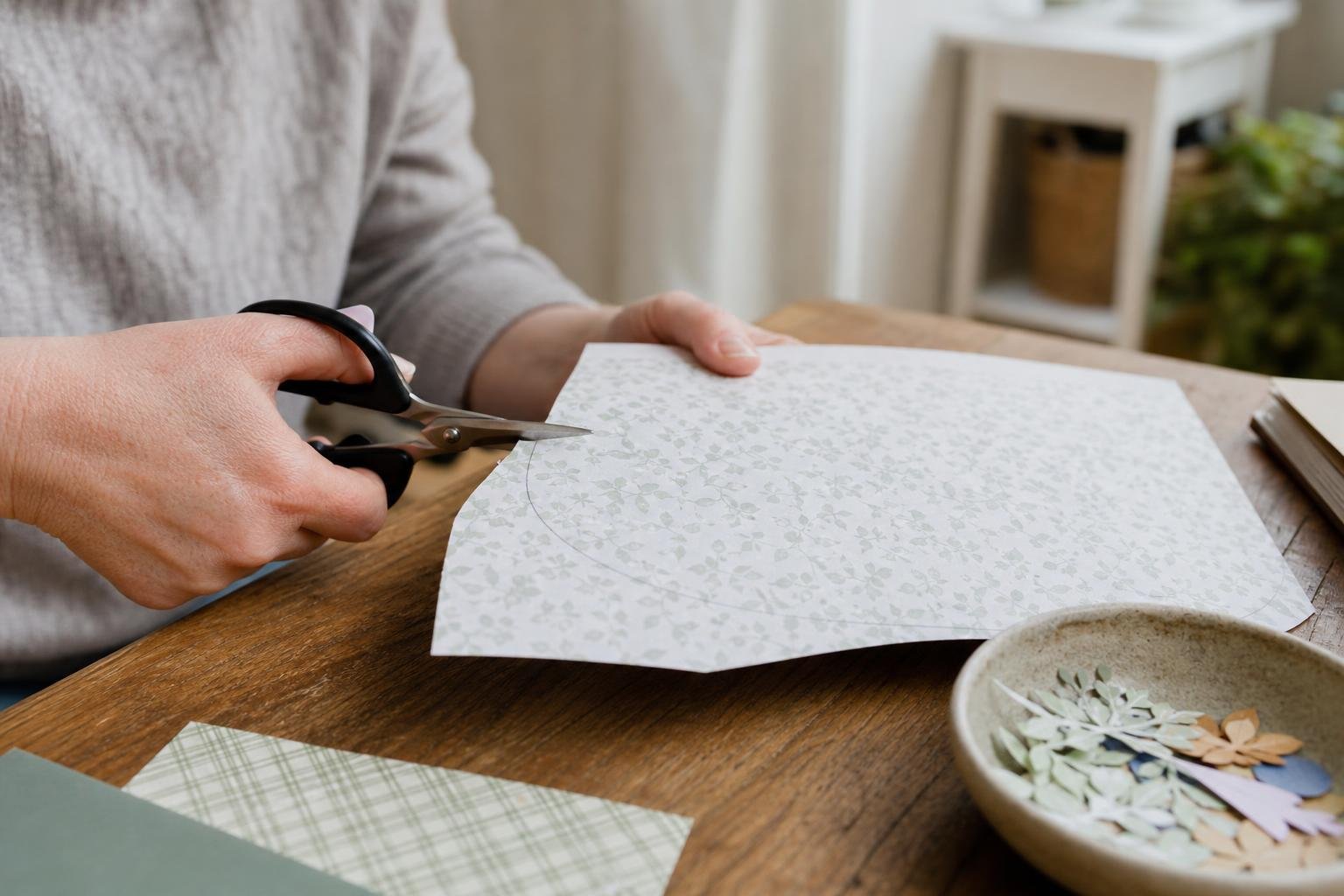
Left-handed crafters often struggle with right-handed scissors because the top blade hides the cutting line and the blades push apart instead of together. The Tonic Studios Tim Holtz left-handed snips have a true left-handed blade arrangement, so you can see exactly where you are cutting.
They share the strengths of the right-handed Tim Holtz pair: 7-inch titanium-coated blades that resist adhesive, micro-serrated edges that grip paper and ribbon, and comfortable black Kushgrip handles. They are equally happy cutting card, felt and light fabric.
The serrated edge brings the same small trade-off on ultra-fine paper, and left-handed models can be harder to find in stock. If you are left-handed and tired of making do, these are the craft scissors for precision cutting we would choose.
True left-handed, non-stick snips that let left-handed crafters see the cutting line and cut accurately.
- True left-handed blade layout
- Clear view of the cutting line
- Non-stick titanium coating
- Comfortable cushioned grips
- Serrations can texture very fine paper
- Stock can be patchy
How to choose craft scissors for precision cutting
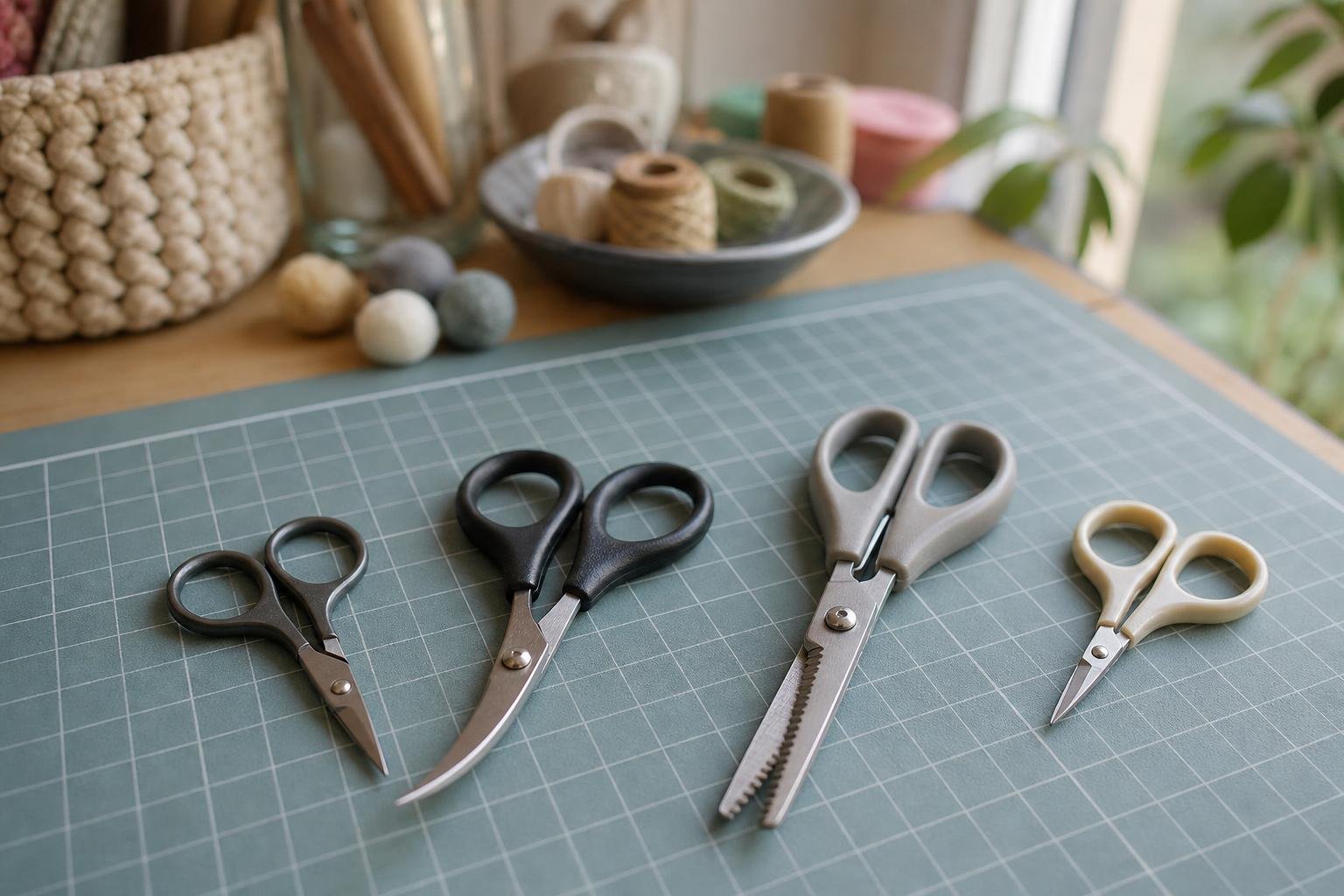
Choosing between craft scissors for precision cutting is easier once you know which features matter for the materials you use most. Think first about what you cut, then about the shape of the blade, your hand size and whether you are left- or right-handed.
Check the tips first
The defining feature of precision scissors is the point. The blades should meet cleanly and cut right to the very tip, not stop a few millimetres short. Micro-tip blades are slim enough to start a cut inside a shape, while fine needlecraft points snip a single thread flush with the fabric. If a pair tears the last part of a cut, the tips are misaligned or blunt.
Match the blade to the material
Plain stainless steel suits paper, card and fabric. Titanium-bonded and non-stick coated blades resist adhesive, so they suit tape, vinyl and sticker sheets. Micro-serrated blades grip slippery materials such as acetate and ribbon. Curved blades help you trim close to a surface for appliqué and embroidery. Many crafters own two or three craft scissors for precision cutting so each blade only meets the material it suits.
Pick the right blade length
When comparing craft scissors for precision cutting, shorter blades give more control. A 2.5- to 4-inch pair is ideal for threads, tiny cut-outs and fussy cutting, while 5 inches is a good all-round size. Longer 7-inch snips cut long straight edges in fewer strokes but are a little less nimble in tight corners.
Think about comfort and handedness
Look at the finger loops. Soft grips and larger loops suit bigger hands, and spring-assisted handles help if you have arthritis or cut for hours. Left-handed crafters should choose true left-handed scissors, because simply holding a right-handed pair in the left hand hides the cutting line. Research on repetitive strain injury is a good reminder to take breaks during long cutting sessions, whatever scissors you use.
Protection and storage
Fine tips on craft scissors for precision cutting are easy to damage if they knock against other tools. Caps, sheaths or a thumb lock protect the points and keep fingers safe when you reach into a craft box. If you are organising a full workspace, our guide to the best craft desks with storage has ideas for keeping tools in reach.
Precision scissors are only as good as their points.
The right finish keeps blades cutting cleanly.
Shorter blades give finer control.
Detail work means many repeated cuts.
The blade layout decides whether you can see the line.
How to keep precision craft scissors sharp
Even the best craft scissors for precision cutting lose their edge quickly if they are used on the wrong materials. The golden rule is to keep fabric scissors for fabric and paper scissors for paper. Paper contains fine mineral fillers that dull a blade, which is why sewists guard their fabric shears so fiercely. Labelling each pair with a ribbon or coloured tape makes the rule easy to follow at home.
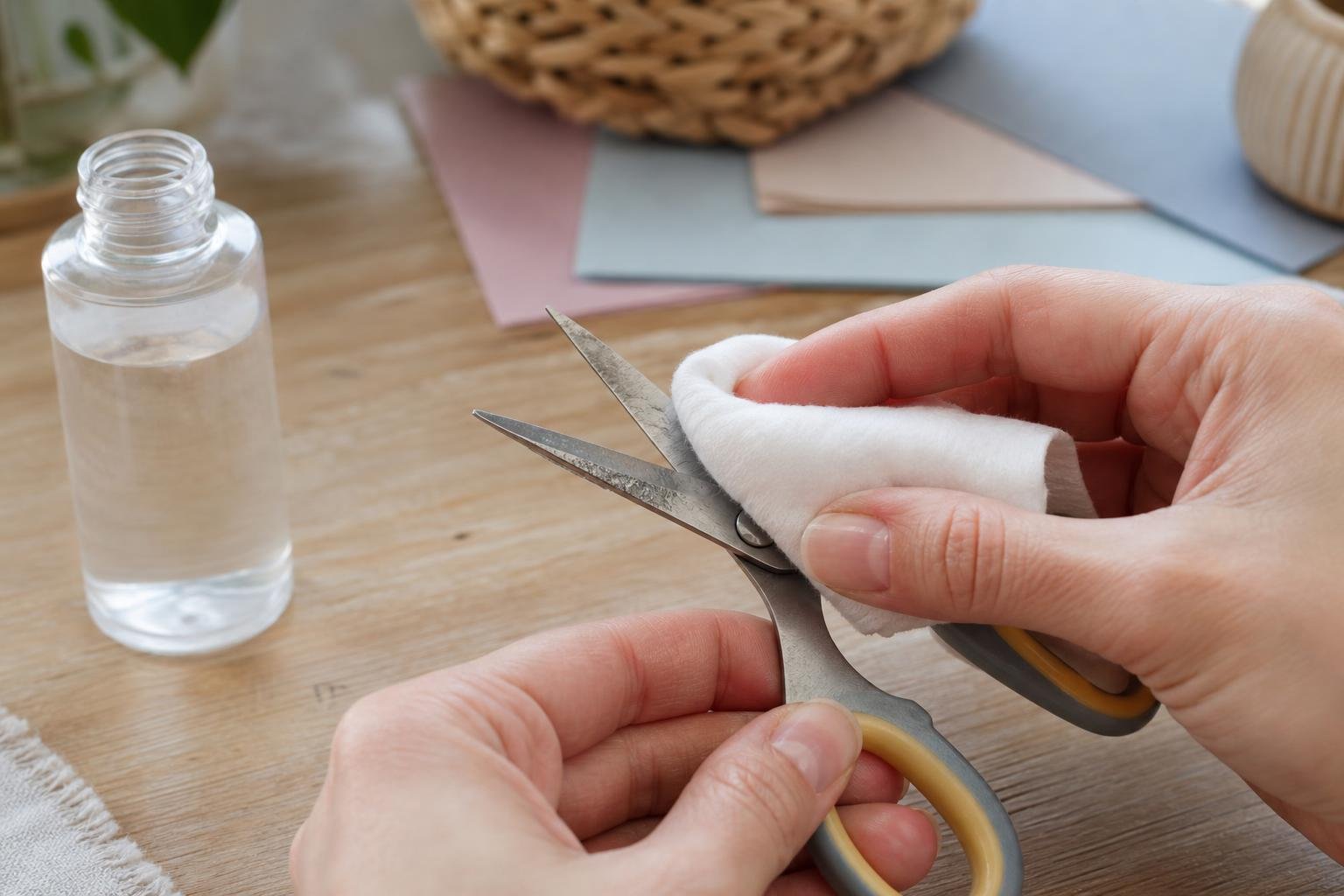
Clean the blades after cutting anything sticky. A cloth dampened with a little rubbing alcohol lifts adhesive from both coated and uncoated blades. Dry them fully before putting them away, because moisture and humid craft rooms encourage rust on the pivot and edges.
Store detail scissors with their tips covered, either in a sheath, a cap or a dedicated slot in a tool organiser. Dropping a pair point-first onto a hard floor can bend a micro tip beyond repair. If the pivot screw becomes loose, a small turn with a screwdriver often restores a crisp cut, and a tiny drop of sewing machine oil keeps the action smooth.
When blades finally do go dull, good forged craft scissors for precision cutting can be professionally sharpened, while budget pairs are usually cheaper to replace. For other blade tools, our guide on when to replace a craft knife blade that tears paper explains the warning signs. You can also read more about how scissors work, from pivot design to blade angle.
Mark your fabric scissors with a ribbon and never use them on paper. Paper dulls blades quickly, and a dedicated pair stays sharp far longer.
Which craft scissors for precision cutting suit your hobby?
Different crafts put different demands on a blade, so it helps to match the pair to the job you do most often.
Card makers and scrapbookers do a lot of fussy cutting around stamped images and patterned paper. A 5-inch micro-tip such as the Fiskars No. 5 handles most of it, and the Tim Holtz snips grip glossy or slippery papers. If you often cut stickers, washi tape or adhesive vinyl, add the Westcott non-stick pair so your main scissors stay clean.
Sewists, quilters and embroiderers need points that snip threads flush with the fabric and blades that trim close to stitches. The Kai 5100 is excellent for threads and cross stitch, while the Gingher curved pair is the better tool for appliqué and machine embroidery. If you are new to sewing, our guide to the best beginner sewing machine covers the next big purchase.
Model makers, paper cutters and anyone working on miniature projects will appreciate the Westcott 2.5-inch pair, which turns tiny shapes almost like a craft knife. Beginners who want a little of everything can start with the Beaditive set and upgrade later. For a broader shopping list, see the best arts and crafts supplies for beginners.
Finally, think about who uses them. Left-handed crafters should go straight to the Tonic Studios left-handed snips, and anyone with arthritis or weak grip will find the Fiskars Easy Action the kindest choice for long sessions. Whatever you choose, good craft scissors for precision cutting make detailed projects calmer, neater and more enjoyable.
Frequently asked questions about craft scissors for precision cutting
What are the best craft scissors for precision cutting?
For most crafters, the Fiskars No. 5 Micro-Tip scissors are the best all-round choice because the blades cut cleanly to the tip on paper and fabric. The Westcott Titanium Non-Stick Micro-Tip is the best pick for sticky materials.
What is the difference between micro-tip and regular scissors?
Micro-tip scissors have slim, tapered blades that come to a very fine point, so they can start a cut inside a shape and follow tight curves. Regular scissors have thicker tips designed for fast, straight cuts.
Are non-stick scissors worth it for crafts?
Yes, if you cut tape, vinyl, stickers or glued paper. A non-stick or titanium coating stops adhesive building up on the blades, so they keep cutting cleanly and need less cleaning.
Can I use the same scissors for paper and fabric?
It is better not to. Paper dulls blades faster, so keep one pair for fabric only and another for paper and card.
What are serrated craft scissors for?
Micro-serrated blades have tiny teeth that grip slippery materials such as acetate, ribbon and glossy paper, so the material does not slide out of the blades during a cut.
How do I clean sticky residue off scissors?
Wipe the blades with a cloth dampened with a little rubbing alcohol, then dry them fully before storing them to prevent rust.
Final thoughts on the best craft scissors for precision cutting
A good pair of detail scissors makes every project neater, from fussy-cut card toppers to perfectly trimmed appliqué. For most people the Fiskars No. 5 Micro-Tip is the best place to start, with accurate tips, a comfortable handle for either hand and a lifetime warranty.
Add the Westcott non-stick pair if you work with adhesives, choose the Kai 5100 or Gingher curved scissors for needlework, and pick the Fiskars Easy Action if your hands tire easily. Left-handed crafters should go straight to the Tonic Studios snips. Whichever of these craft scissors for precision cutting you choose, keep it for the right materials, clean it after sticky jobs and protect the tips.
- Best overall: Fiskars No. 5 Micro-Tip Scissors
- Best for sticky materials: Westcott Titanium Non-Stick Micro-Tip
- Best for needlework: Kai 5100 Needlecraft Scissors
- Best budget: Beaditive Detail Scissors Set
Choose scissors whose tips meet cleanly, match the blade finish to your materials and keep separate pairs for paper and fabric.