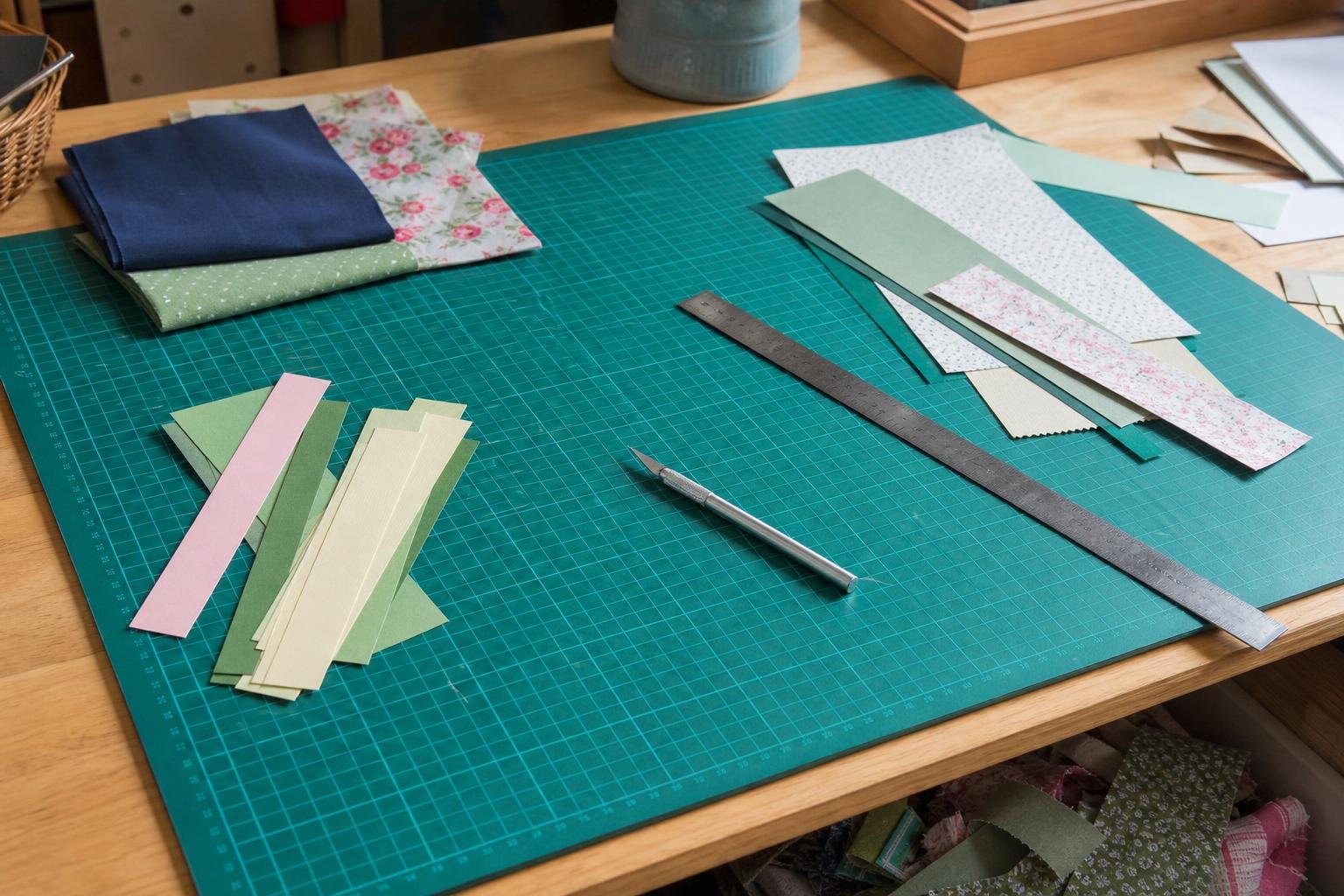
The best craft cutting mats protect your table, keep your blades sharp and give you a grid that makes every cut straighter. Whether you trim card, cut vinyl, quilt or make models, the right mat is one of the most useful tools you can own, yet it is easy to buy one that is too small, too thin or the wrong surface for your blade.
We compared self-healing vinyl mats, rotary mats for quilting, a rotating mat, a glass media mat and an extra-large worktable mat to find craft cutting mats that suit different hobbies, spaces and budgets. Every pick below is available on Amazon, and we explain who each one suits and what to watch out for.
If you are building a craft kit from scratch, our guide to the best arts and crafts supplies for beginners covers the other essentials.
Our top craft cutting mats at a glance
Here is how the nine craft cutting mats compare on size, surface and the crafts they suit best. Scores reflect our editorial assessment of build quality, grid clarity and value.
| Size | Surface | Best used for | Durability | Grid clarity | Our score | ||
|---|---|---|---|---|---|---|---|

Dahle Vantage 24 x 36 Self-Healing Mat
Best overall
|
24 x 36 in | 5-layer self-healing PVC | All-round crafting | 9.4/10 | Check price | ||

OLFA 24 x 36 Rotary Cutting Mat
Best for quilting
|
24 x 36 in | Self-healing, double-sided | Quilting and sewing | 9.2/10 | Check price | ||

Fiskars 18 x 24 Self-Healing Mat
Best value
|
18 x 24 in | Self-healing, double-sided | Everyday crafts | 9.1/10 | Check price | ||

ALVIN 12 x 18 Reversible Mat
Best for paper and craft knives
|
12 x 18 in | 3 mm reversible vinyl | Paper and craft knives | 8.9/10 | Check price | ||

OLFA 17 x 17 Rotating Mat
Best rotating mat
|
17 x 17 in | Rotating self-healing top | Trimming blocks and cards | 8.8/10 | Check price | ||

Fiskars 3-Piece Fabric Cutting Set
Best starter set
|
Folding mat set | Self-healing folding mat | New sewists | 8.7/10 | Check price | ||

Tim Holtz Travel Glass Media Mat
Best glass mat for mixed media
|
15.75 x 10.25 in | Tempered glass | Mixed media, glue, ink | 8.6/10 | Check price | ||

Adir Corp 36 x 48 Professional Mat
Best extra-large mat
|
36 x 48 in | 3 mm reversible vinyl | Dressmaking, big projects | 8.5/10 | Check price | ||
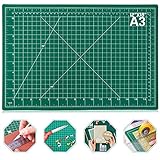
anezus 12 x 18 Double-Sided Mat
Best budget mat
|
12 x 18 in | 5-ply, double-sided | Beginners and kids | 8.4/10 | Check price |
How we chose these craft cutting mats
We started with the problems crafters raise most often in reviews and forums: mats that warp after a summer by the window, grooves that never close, grids that are not quite the advertised size, mats that slide under a ruler and strong vinyl smells. We then looked at expert testing from sites such as Bob Vila and Digital Camera World, which put rotary cutters and utility knives through dozens of cuts on each mat.
We also weighed how each mat fits real crafting. A quilter needs a large surface for folded fabric, a card maker needs a firm surface for a sharp knife, and a mixed media artist needs something that copes with glue and ink. That is why our list of craft cutting mats spans self-healing vinyl, a rotating mat, a glass mat, a starter set and an extra-large table mat.
1. Dahle Vantage 24 x 36 Self-Healing Mat: best overall
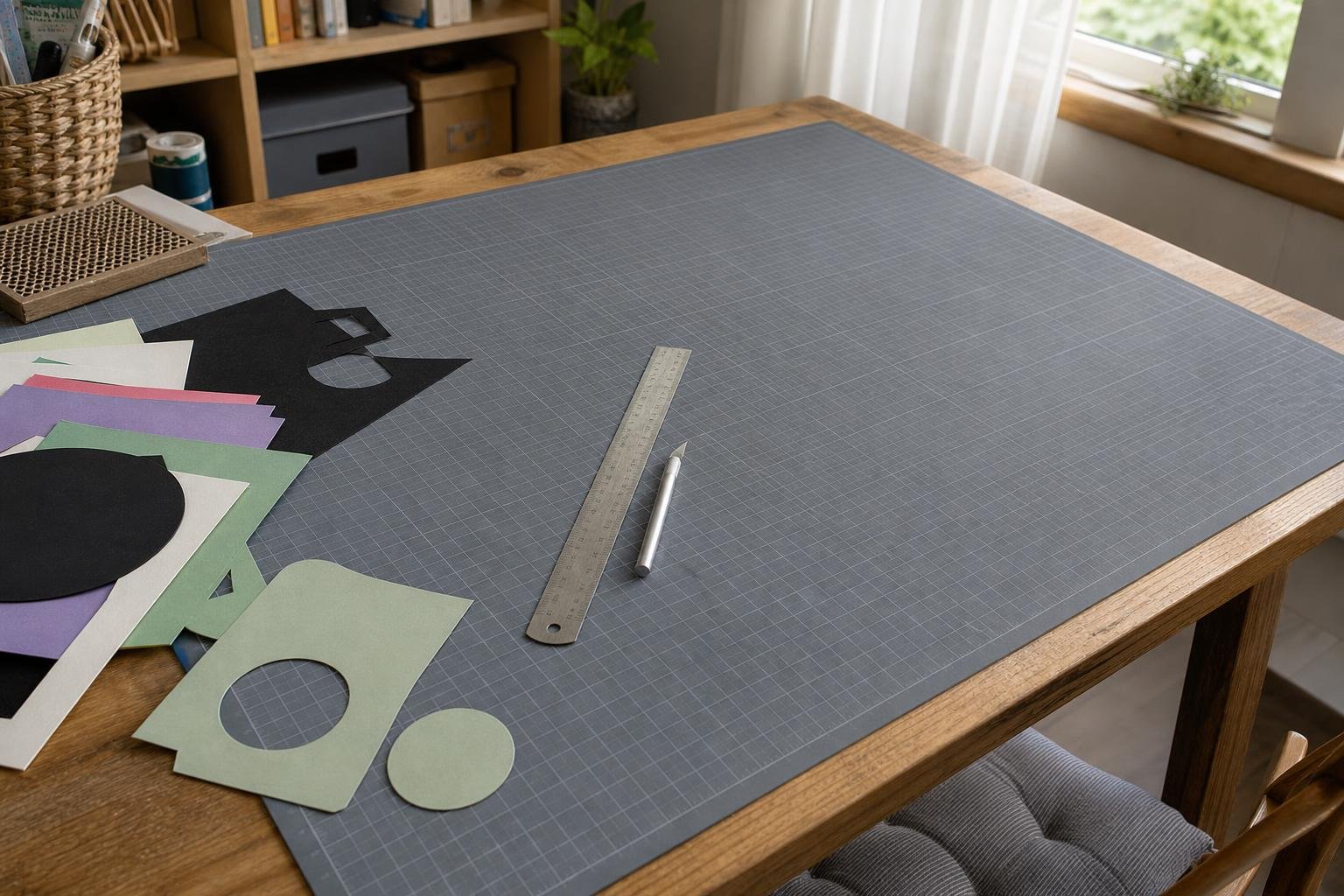
The Dahle Vantage is the mat we would buy first if we could only own one. Among all the craft cutting mats we compared, it has the most reassuring build: five layers of PVC around 1/8 inch thick, with a soft outer surface that closes over blade marks and a firmer core that stops a craft knife going through to your table.
At 24 by 36 inches it covers most of a standard desk, and the printed grid runs to a generous 22 by 34 inches. Screened guides include inch and metric scales plus angled lines, so you can square up card, trim photos or cut fabric strips without reaching for a second ruler. Independent testers at Bob Vila named it their best overall mat after rotary and utility blades left only light marks.
The one trade-off is weight. The Vantage is heavy for a mat, which is brilliant when you are cutting because it does not slide, but less handy if you pack it away after every session. Store it flat under a bed or on top of a desk, never rolled. If you want one large mat that handles paper, vinyl, card and fabric for years, this is the safest choice.
A thick, heavy five-layer mat that stays put, heals well and gives a full 22 x 34 inch grid for big paper, card and fabric jobs.
- Five-layer, 1/8-inch PVC heals cleanly
- Large 22 x 34 inch printed grid
- Inch, metric and angled guides
- Weight stops it sliding
- Heavy to move around
- Needs a big flat storage spot
2. OLFA 24 x 36 Rotary Cutting Mat: best for quilting
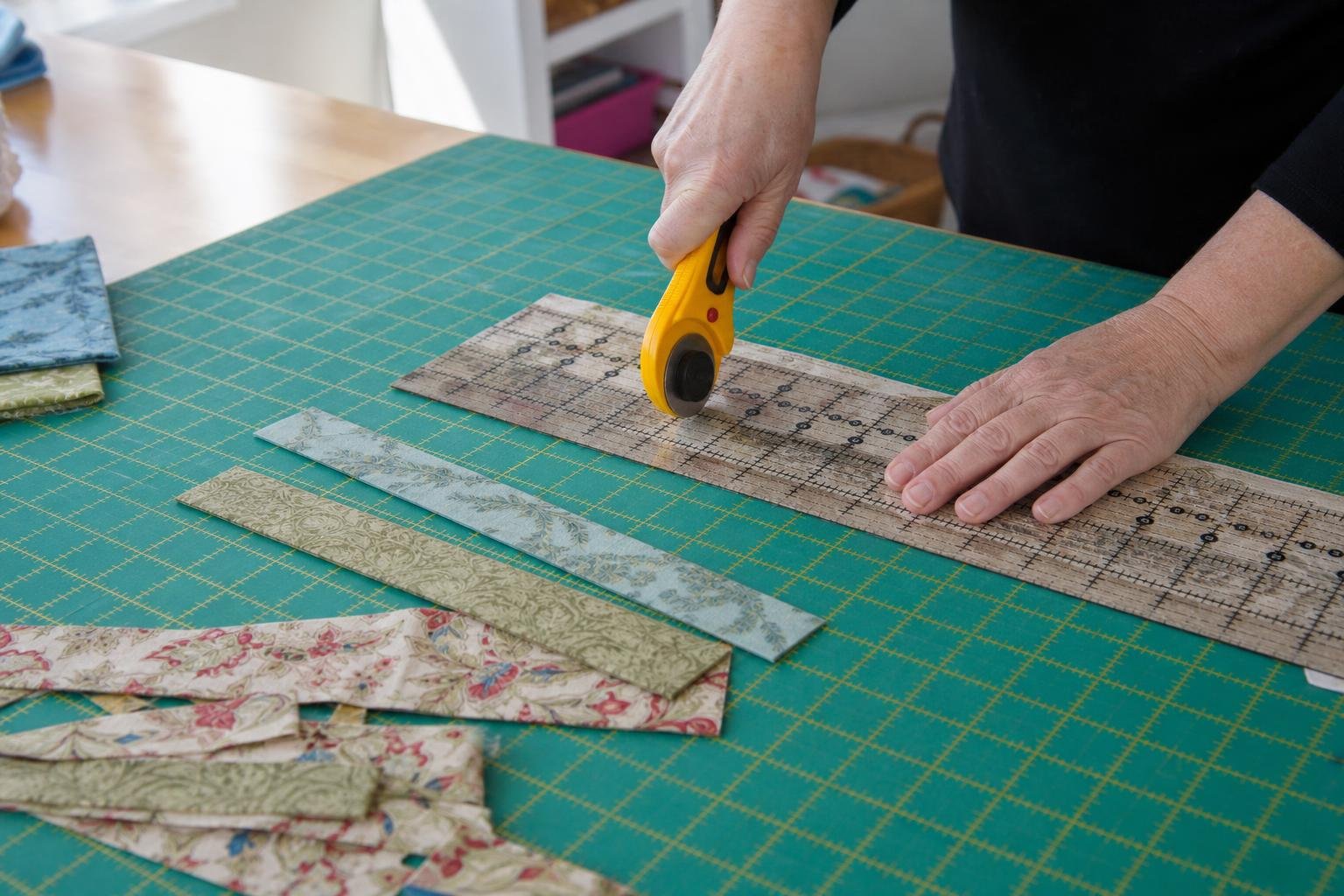
OLFA made the first rotary cutter, so it is no surprise that its green RM-MG mat is a fixture in sewing rooms. It is a triple-layer, self-healing mat designed around round blades, which glide over it with a smooth, slightly soft feel that helps protect the cutting edge.
The 24 by 36 inch size lets you lay folded fabric straight off the bolt and cut long strips in one pass. One side carries the measuring grid and angle lines, and the plain reverse gives you a fresh surface when the front starts to show wear. That simple habit, flipping the mat, is one of the best ways to make any of these craft cutting mats last longer.
The common complaint is a vinyl smell when it is new, which usually fades if you leave it flat in a ventilated room for a few days. Paper crafters who rely on pointed craft knives may prefer the firmer Dahle or ALVIN, but for quilters this is still one of the most dependable craft cutting mats you can buy.
The quilter’s classic: a large, double-sided rotary mat from the brand that invented the rotary cutter, with a clear grid for long fabric strips.
- Self-healing surface made for rotary blades
- Double-sided to spread wear
- Big enough for folded fabric widths
- Trusted brand with easy-to-find sizes
- Some buyers notice a vinyl smell at first
- Grid only on one side
3. Fiskars 18 x 24 Self-Healing Mat: best value
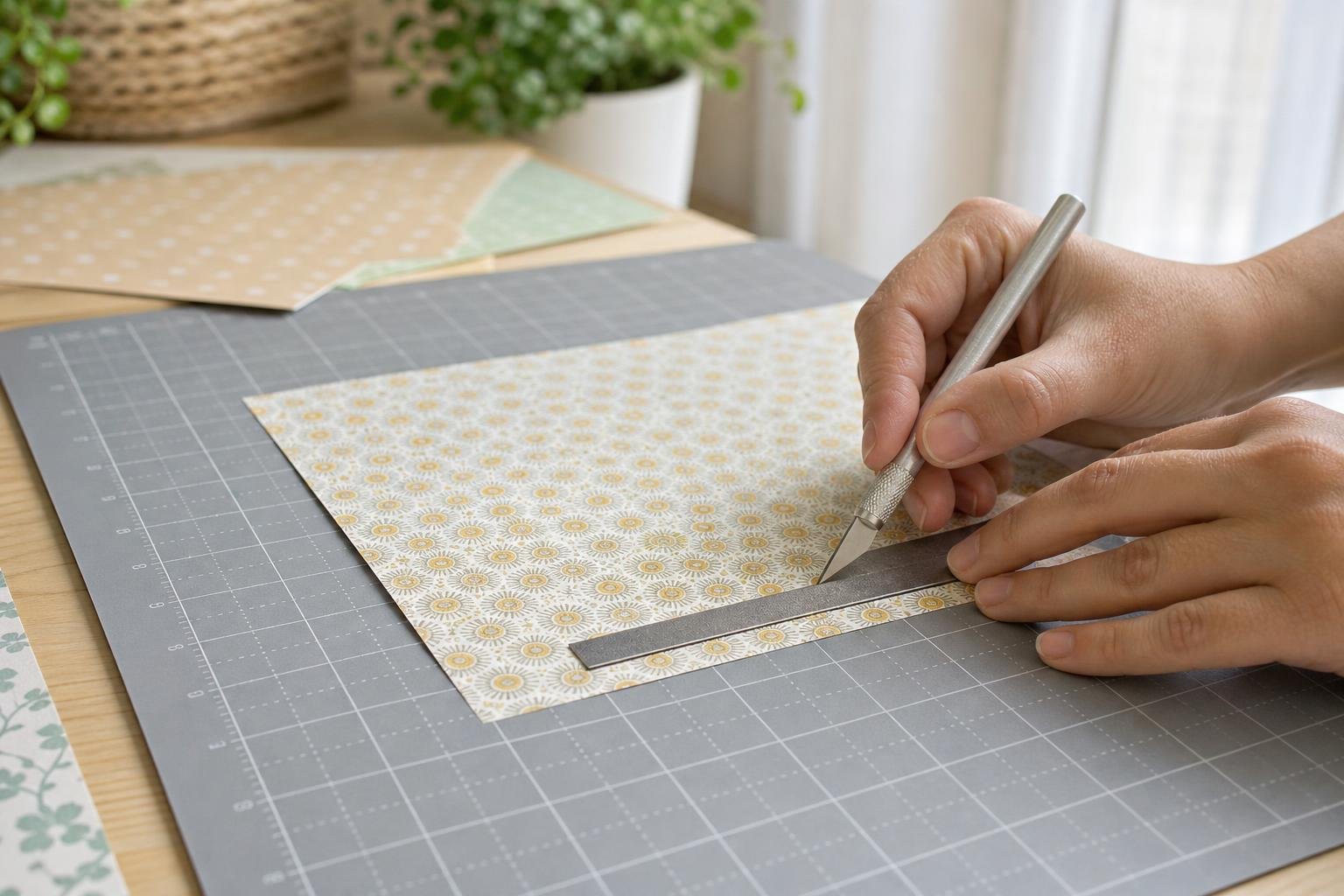
If you want a proper, mid-size mat without spending much, the Fiskars 18 by 24 inch mat is hard to beat. It is double-sided, with easy-to-read grids and 30, 45 and 60 degree bias lines that make angled cuts for bunting, card mounts and quilt triangles much simpler.
The size is a sweet spot for most homes. It is big enough to cut a folded width of fabric or a sheet of 12 by 12 inch scrapbook paper with room to spare, yet small enough to leave out on a desk or slide behind a bookcase. Fiskars also sells it in colours if you want your craft space to look a little brighter.
It is thinner than the Dahle, so very heavy pressure with a pointed blade can leave grooves sooner. Use light, repeated passes rather than one hard cut and it will stay smooth for a long time. For most people starting out, this is the best value among the craft cutting mats in this guide.
A well-priced, double-sided mat from a brand crafters trust, with clear bias lines and a size that suits most desks.
- Very good price for the size
- Double-sided with grid and bias lines
- Fits on most craft desks
- Works for fabric, paper and vinyl
- Thinner than premium five-layer mats
- Deep craft-knife cuts can leave grooves
4. ALVIN 12 x 18 Reversible Mat: best for paper and craft knives
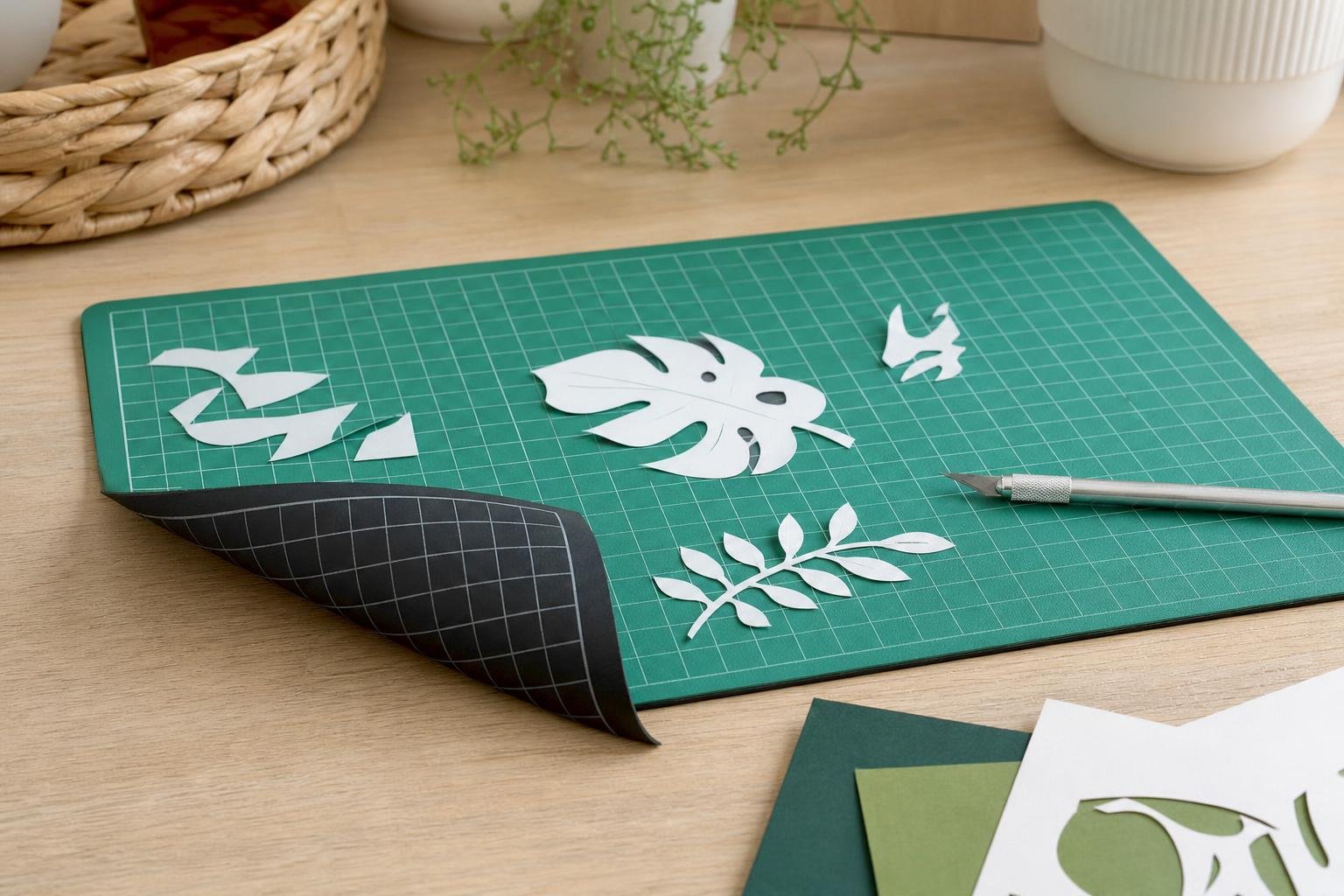
ALVIN is a long-standing name in graphic arts supplies, and its GBM mats are what you often see in design studios. This 12 by 18 inch version is made from 3 mm reversible vinyl, green on one side and black on the other, with a grid printed on both.
The surface feels a touch firmer than a quilting mat, which is exactly what you want for a sharp craft knife. Fine paper cuts, window mounts for cards and stencil cutting stay crisp because the blade does not sink and drag. A dark side is handy for seeing pale paper and light fabric, while the green side suits darker materials.
It is a compact mat, so it is not the one for cutting yardage, and some users find the lines on the darker side harder to read in dim light. As a desk mat for paper crafters and model makers, though, it is one of the most precise craft cutting mats around.
A firm, professional-grade mat favoured by graphic artists, with a grid on both green and black sides for clean craft-knife work.
- 3 mm reversible vinyl
- Grids on both sides
- Firm surface suits pointed blades
- Takes rotary and utility blades
- Compact size limits fabric work
- Lines on the darker side are fainter
5. OLFA 17 x 17 Rotating Mat: best rotating mat
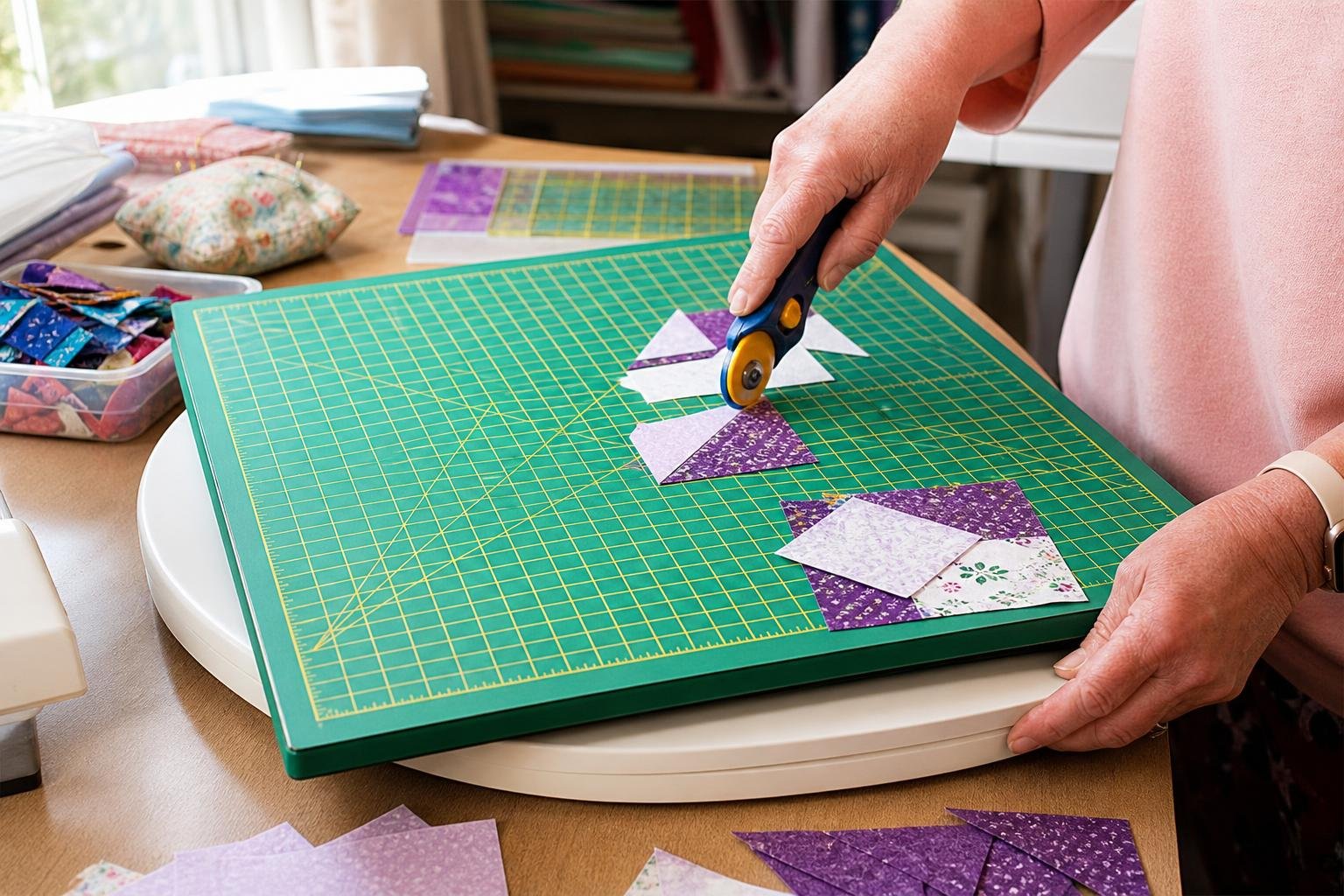
Trimming the four sides of a quilt block or card panel usually means lifting the piece, turning it and lining everything up again. A rotating mat removes that step. The OLFA RM-17S has a non-slip base that stays still while the self-healing top spins a full 360 degrees.
Because the work never moves on the mat, your ruler stays aligned and your corners stay square. That is why rotating craft cutting mats are so popular with quilters who make dozens of identical blocks, and with card makers who square up mounts all afternoon. At 17 by 17 inches it has more usable space than many smaller 12 or 14 inch spinners.
It costs more than a flat mat and only does one job well, so think of it as a second mat rather than your main one. If you trim a lot of small pieces, it can save a surprising amount of time and frustration.
A two-piece mat whose top spins on a non-slip base, so you can trim every side of a block or card without moving the work.
- Rotates a full 360 degrees
- Non-slip stationary base
- Large enough for most quilt blocks
- Saves re-aligning work for every cut
- Pricier than flat mats of a similar size
- Single grid system only
6. Fiskars 3-Piece Fabric Cutting Set: best starter set
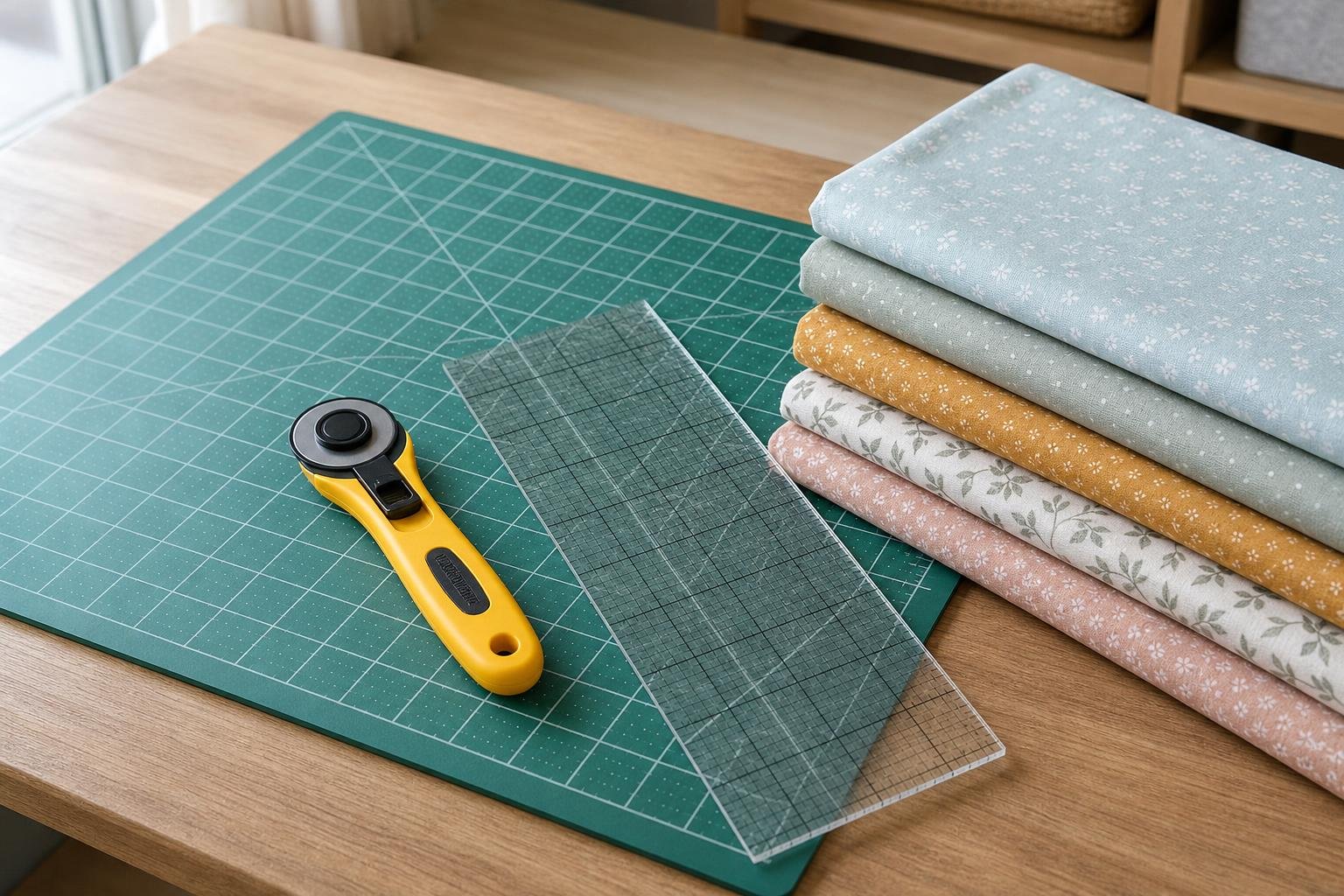
New to sewing? This Fiskars set takes the guesswork out of matching tools. You get a 45 mm rotary cutter, a sewing ruler for cutting straight from the bolt and a folding cutting mat that tucks into a drawer or cupboard when you are finished.
The 45 mm size is the most versatile rotary blade for beginners, handling a few layers of cotton at once. The blade can be set up for either hand, which left-handed crafters will appreciate. Having the mat and ruler from the same brand also means the markings line up neatly, so your first strips and squares come out accurate.
The folding design is the main reason to choose it over flat craft cutting mats, but the mat is single-sided and the fold can become visible with heavy use. If you are just starting with fabric, our beginner guide on how to start sewing pairs nicely with this kit.
A ready-to-go kit with a rotary cutter, ruler and folding mat, ideal for new sewists who want everything to match.
- Mat, ruler and cutter in one box
- 45 mm blade cuts several fabric layers
- Mat folds for easy storage
- Cutter works left- or right-handed
- Mat is single-sided
- Fold line can show over time
7. Tim Holtz Travel Glass Media Mat: best glass mat for mixed media
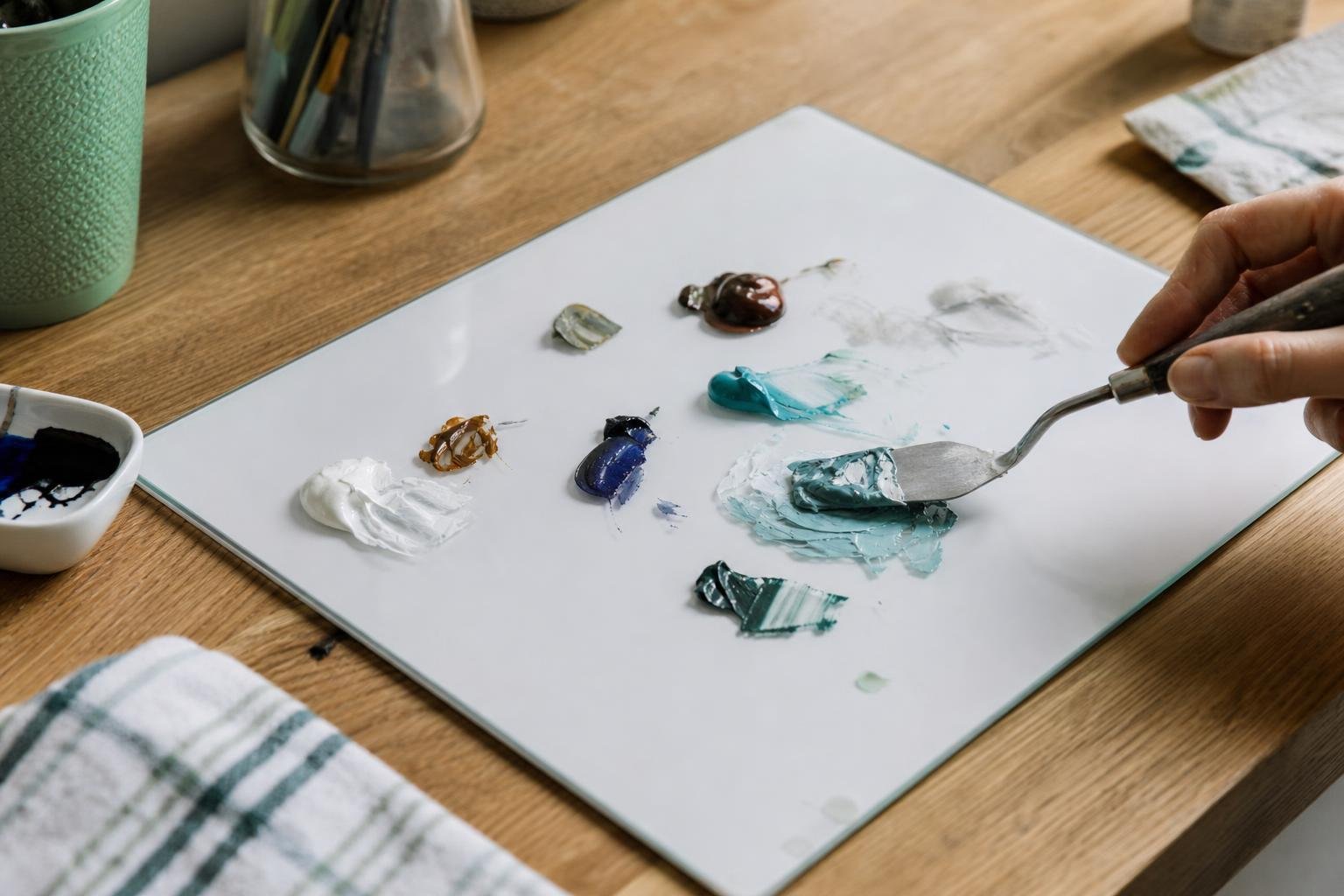
Not every craft cutting job needs a vinyl mat. Glass mats like this Tim Holtz travel version are made from tempered glass, which shrugs off hot glue, alcohol inks, paint and heat tools. Dried glue and paint simply scrape or wipe away, so it doubles as a palette and a stamping surface.
The white glass shows colours accurately, and a 9 by 14 inch grid in imperial and metric helps you line up stamps, die cuts and trimmed card. The 15.75 by 10.25 inch size is light enough to carry to a craft class or keep on a small desk.
Glass is not self-healing, though, and it is harder on blades than PVC. Use it for light craft-knife trimming, inking and gluing, and keep one of the vinyl craft cutting mats above for heavy cutting and any rotary work.
A smooth tempered-glass mat that wipes clean, takes hot glue and ink, and doubles as a palette for mixed media crafts.
- Toughened, heat-tolerant glass surface
- Wipes clean of ink, paint and glue
- Imperial and metric grid
- Portable size
- Not self-healing
- Dulls blades faster than a vinyl mat
8. Adir Corp 36 x 48 Professional Mat: best extra-large mat
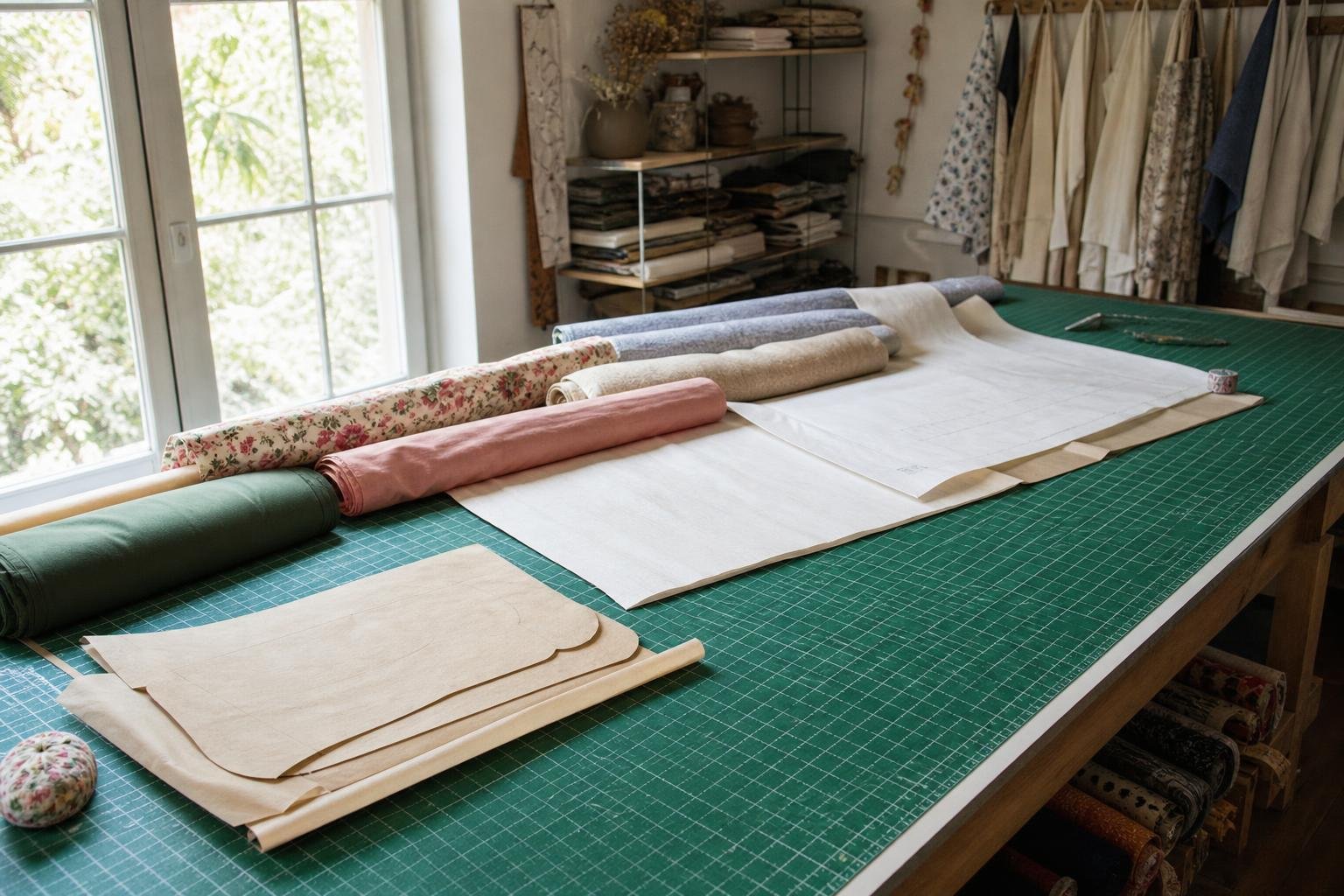
When 24 by 36 inches is not enough, the Adir Corp mat covers a whole worktable at 36 by 48 inches. Dressmakers laying out pattern pieces, quilters cutting backing fabric and crafters making banners or large signs will appreciate not having to shuffle work across two smaller mats.
It is 3 mm thick and reversible, with a green side and a black side, so you can choose the colour that contrasts best with your material and flip it to spread wear. The maker lists fabric, leather, cardboard and art papers among its uses, which makes it a flexible base for a shared craft room.
The size is also its drawback. You need a big, flat table to use it and a flat place to store it, because large craft cutting mats warp if they are rolled or left in sun. If you have the space, it turns any table into a proper cutting station.
A huge reversible mat that covers a whole worktable, ideal for dressmaking, large banners and big quilting projects.
- Covers a full worktable
- Reversible green and black sides
- 3 mm thick for good protection
- Suits fabric, leather and card
- Needs a big table and flat storage
- Heavy to move
9. anezus 12 x 18 Double-Sided Mat: best budget mat
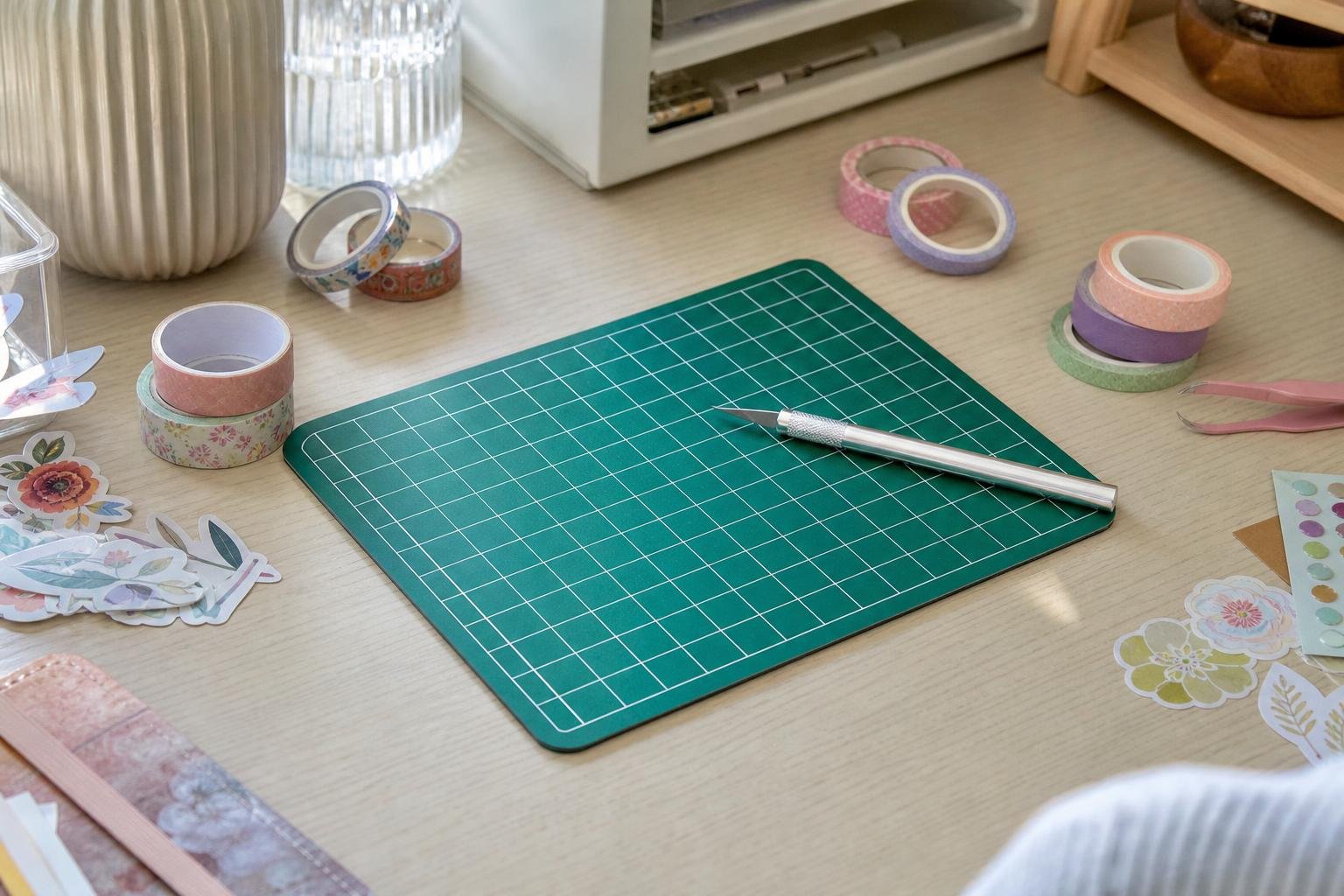
The anezus mat is proof that a useful cutting surface does not have to be expensive. It is a five-ply, double-sided mat that works with rotary cutters and straight blades, and it often costs less than a pack of replacement blades.
It is light, so it slips into a tote for craft classes, and cheap enough to hand to children for supervised projects. Testers at Bob Vila liked it for rotary cutting, but noted that the mat measured about 11.5 by 17.5 inches rather than the full advertised size. Check your measurements against a ruler before you rely on its grid for exact work.
As a first mat, a spare for the kitchen table or a second mat for messy jobs, it is a smart buy. For accurate measuring, step up to the Fiskars or Dahle craft cutting mats.
A low-cost, five-ply, double-sided mat that is perfect as a first mat, a spare for kids or a portable mat for classes.
- Very low price
- Five-ply, double-sided build
- Light and portable
- Works with rotary and straight blades
- Real size can be slightly smaller than listed
- Grid is less precise than premium mats
Craft cutting mats buying guide
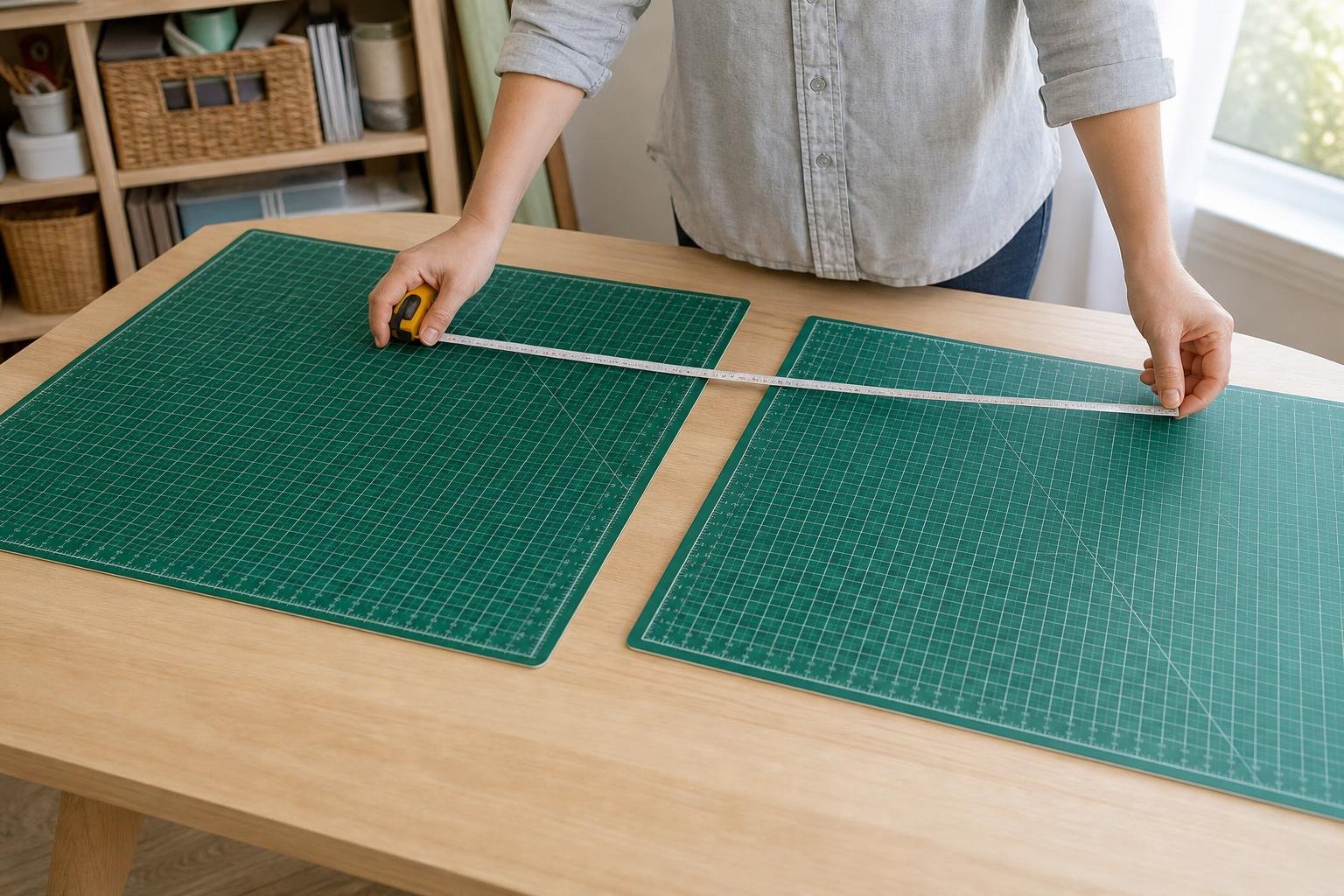
Choosing between craft cutting mats is easier once you know which features matter for your hobby. Start with the size of your work and your table, then think about the blades you use, the materials you cut and where the mat will live between projects.
Pick the right size of craft cutting mat
The mat should be larger than the biggest piece you regularly cut, with a little margin so your ruler and hand stay on the mat. An 18 by 24 inch mat suits most paper crafts and lets you cut folded fabric. Quilters and dressmakers usually prefer 24 by 36 inches, while 12 by 18 inch mats are ideal for small desks, travel and kids. Measure your table first: a mat that hangs over the edge will bend and eventually warp.
Check the layers and thickness
Most self-healing craft cutting mats are made from polyvinyl chloride, or PVC, in three or five layers. Soft outer layers close over cuts, while a firmer core stops blades from going through. Mats of around 2 to 3 mm suit most crafts. Thicker five-layer mats heal better, protect furniture more and last longer, but they are heavier and cost more.
Match the surface to your blade
Rotary blades roll and press, so they suit softer quilting mats. Pointed craft knives drag, so a firmer graphic arts mat gives crisper paper cuts. Glass mats are excellent for glue, ink and heat, but they do not heal and they blunt blades faster. Many crafters end up with two mats: a large self-healing mat for cutting and a glass mat for messy work.
Look for clear, accurate grids
Good grids show inches and centimetres, plus 30, 45 and 60 degree lines for angled cuts. Check that the numbers are easy to read in your lighting, and test a budget mat against a steel ruler, because some cheaper craft cutting mats measure slightly smaller than advertised. A double-sided mat with a light and dark side gives better contrast for different papers and fabrics.
Think about storage and portability
Heat, direct sunlight and rolling are the main causes of warping. If you have nowhere to keep a large mat flat, choose a folding mat, a smaller mat that slides into a drawer, or one with a hanging hole. A rotating mat saves time on trimming but takes up its own space, so it works best as a second mat.
Too small a mat means cutting off the edge and damaging your table.
More layers heal better and resist cut-through.
Different blades need different surfaces.
A clear grid speeds up measuring and squaring.
Most mats warp from heat or being rolled.
How to care for craft cutting mats
Even the best craft cutting mats wear out early if they are treated badly. The most important rule is to keep them flat and cool. Never leave a mat in a hot car, in direct sun or near a radiator, and never roll it for storage. If a mat does bow slightly, laying it flat under heavy books in a cool room for a day or two often helps.
Spread the wear. Cutting in the same spot again and again creates grooves that will not heal, so move your work around the mat and flip double-sided mats from time to time. Use light, repeated passes with a craft knife rather than one hard cut, and change blades as soon as they start to drag. Our guide on when to replace a craft knife blade explains the warning signs.
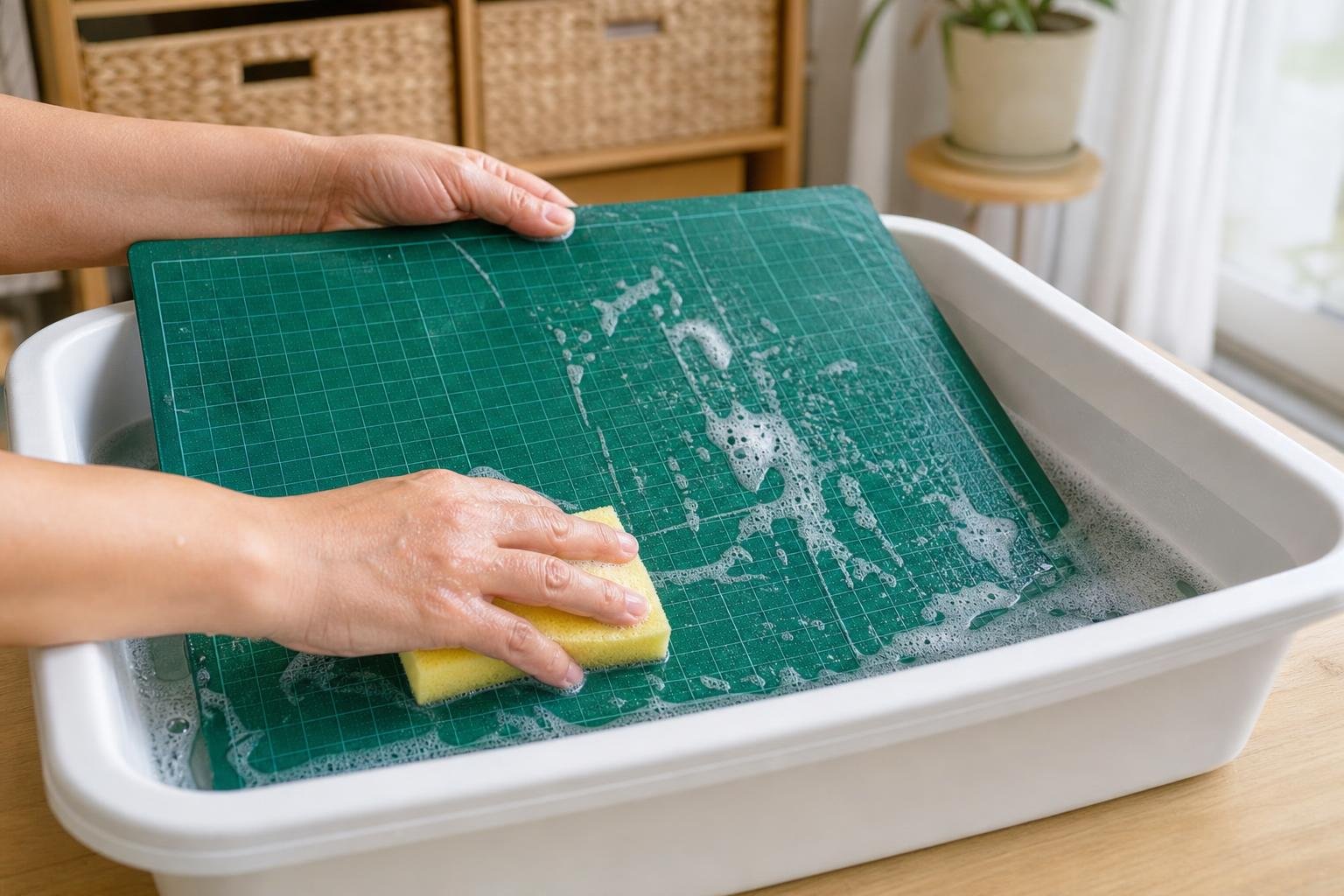
Clean your mat with lukewarm water and a little mild washing-up liquid, then let it dry flat. Avoid hot water and harsh solvents, which can soften the surface. Keep hot glue, irons and heat guns off vinyl mats altogether and use a glass mat or heat-resistant sheet for those jobs. For more ways to keep furniture safe, read how to protect your table while crafting with glue and blades.
A mat works best on a stable surface at a comfortable height. If you are setting up a dedicated space, compare our picks for the best craft desks with storage and the best craft tables for small spaces. Pairing a good mat with the right blades and rulers from our list of the best craft tool sets for home projects will make every cut cleaner.
Turn your mat end to end every few weeks and flip double-sided mats, so cuts spread over the whole surface instead of wearing one deep groove.
Frequently asked questions about craft cutting mats
What is the best craft cutting mat?
For most crafters, the Dahle Vantage 24 x 36 inch mat is the best all-rounder, thanks to its five-layer PVC build and clear inch, metric and angle guides. The Fiskars 18 x 24 inch mat is the best value choice.
What size cutting mat do I need for crafts?
An 18 x 24 inch mat suits most paper crafts and small sewing projects. Choose 24 x 36 inches for quilting and dressmaking, and 12 x 18 inches for small desks, travel or children.
Why has my cutting mat warped?
Warping is usually caused by heat, direct sunlight or storing the mat rolled up. Keep mats flat and cool, and lay a bowed mat under heavy books in a cool room to help it flatten.
Can I use a rotary cutter on any mat?
Use rotary cutters on self-healing vinyl mats. Glass and hard boards are not self-healing and will dull or chip a rotary blade quickly.
How do I clean a self-healing cutting mat?
Wipe it with lukewarm water and a little mild washing-up liquid, then dry it flat. Avoid hot water, bleach and solvents, which can damage the surface.
Can I use hot glue on a cutting mat?
Not on a vinyl mat, because heat can melt or warp it. Use a tempered glass mat or a silicone sheet for hot glue, irons and heat tools.
Final thoughts on the best craft cutting mats
The right mat makes every project neater and protects both your blades and your furniture. For most people the Dahle Vantage is the best choice, with a thick five-layer build and a huge grid. Quilters will love the OLFA rotary mat, while the Fiskars 18 by 24 inch mat gives the most mat for your money.
If you trim lots of blocks or cards, add the OLFA rotating mat, and keep the Tim Holtz glass mat for glue and ink. Whichever of these craft cutting mats you choose, store it flat, keep it out of the sun and spread your cuts, and it will serve you well for years.
- Best overall: Dahle Vantage 24 x 36 Self-Healing Mat
- Best for quilting: OLFA 24 x 36 Rotary Cutting Mat
- Best value: Fiskars 18 x 24 Self-Healing Mat
- Best budget: anezus 12 x 18 Double-Sided Mat
Choose a mat bigger than your largest project, match the surface to your blade, and store it flat and cool.