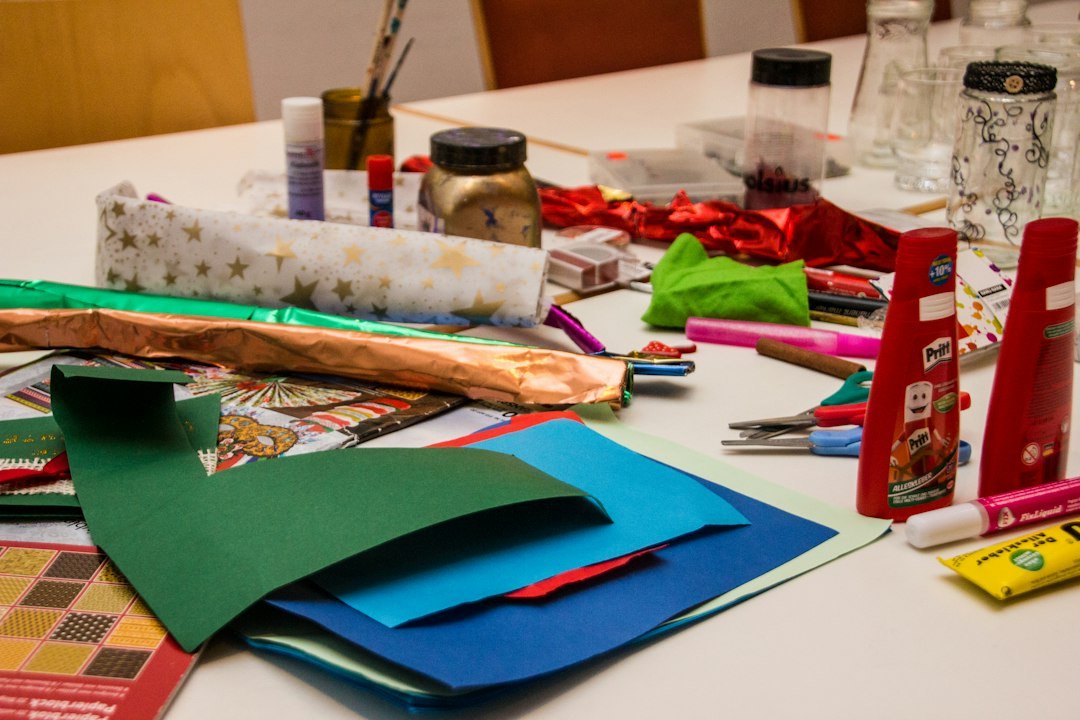
The most satisfying seasonal crafts often begin with materials already on hand.
A half-used roll of ribbon after a birthday party can become the start of a spring garland. Come autumn, the same string and paper scraps can hold cut-out leaves; for winter, paper stars. The basic skill stays the same, even as the room feels different.
Keeping a small box of reusable supplies makes each occasion less of a fresh start. Plain jars can hold summer flowers, Halloween treats, or battery-operated lights for a festive table. Save sturdy frames, jars, and scraps that are genuinely useful, then let a few seasonal colors or found materials do the work. A decoration made for one afternoon is worthwhile, too—but it need not require an entirely new toolkit.
One toolkit, many seasonal displays
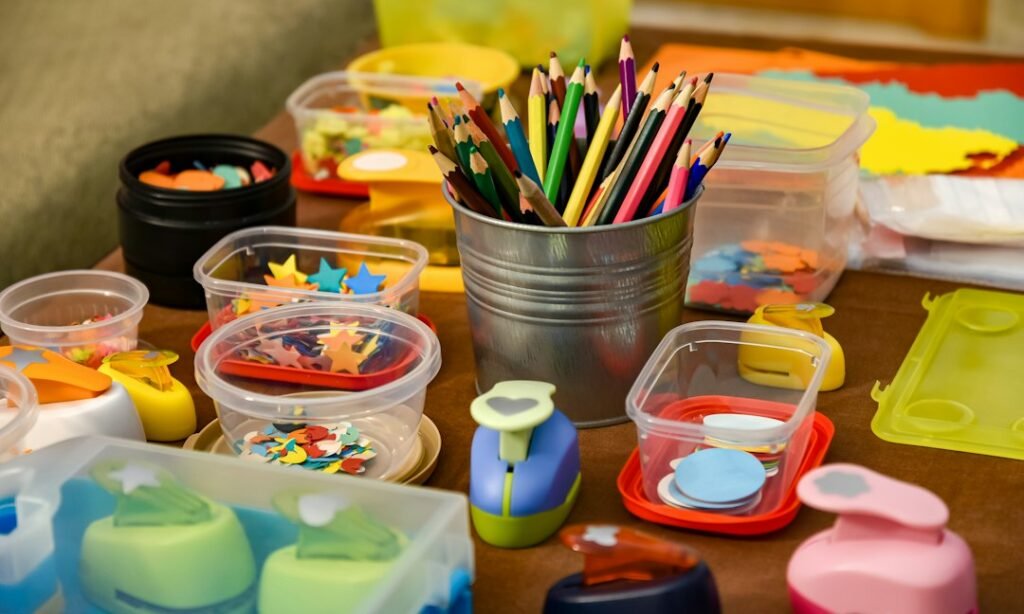
A small box of basics can support decorations throughout the year: scissors, a hole punch, a glue stick, removable tape, twine, and a few sheets of plain paper. Keep clean jars and a shallow tray nearby, too. The same materials work for garlands, table arrangements, and window displays; the colors and objects do most of the changing.
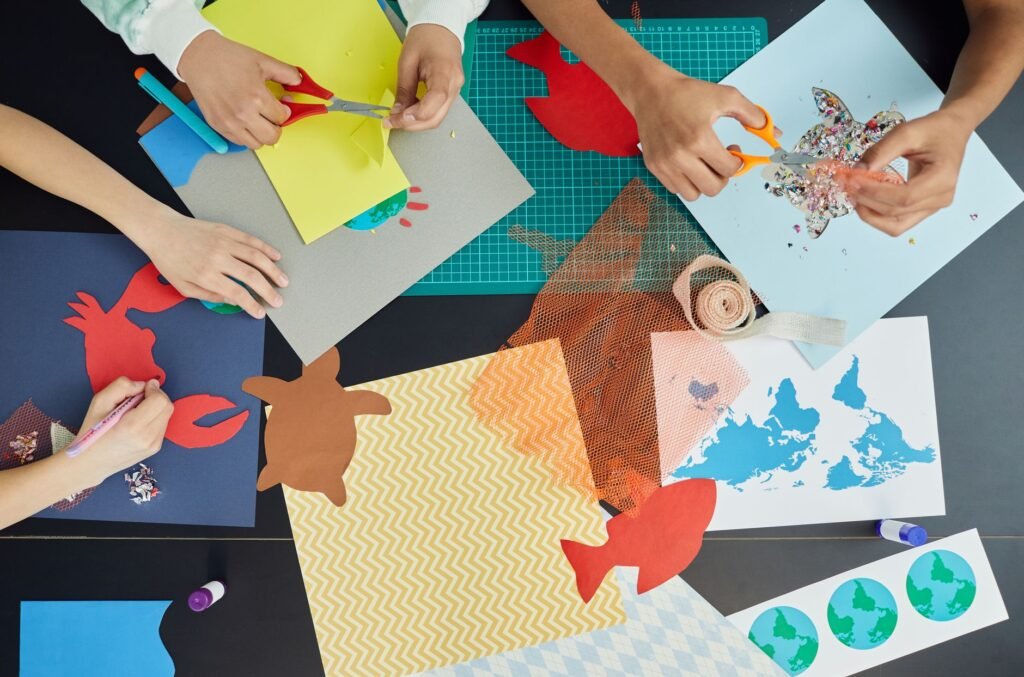
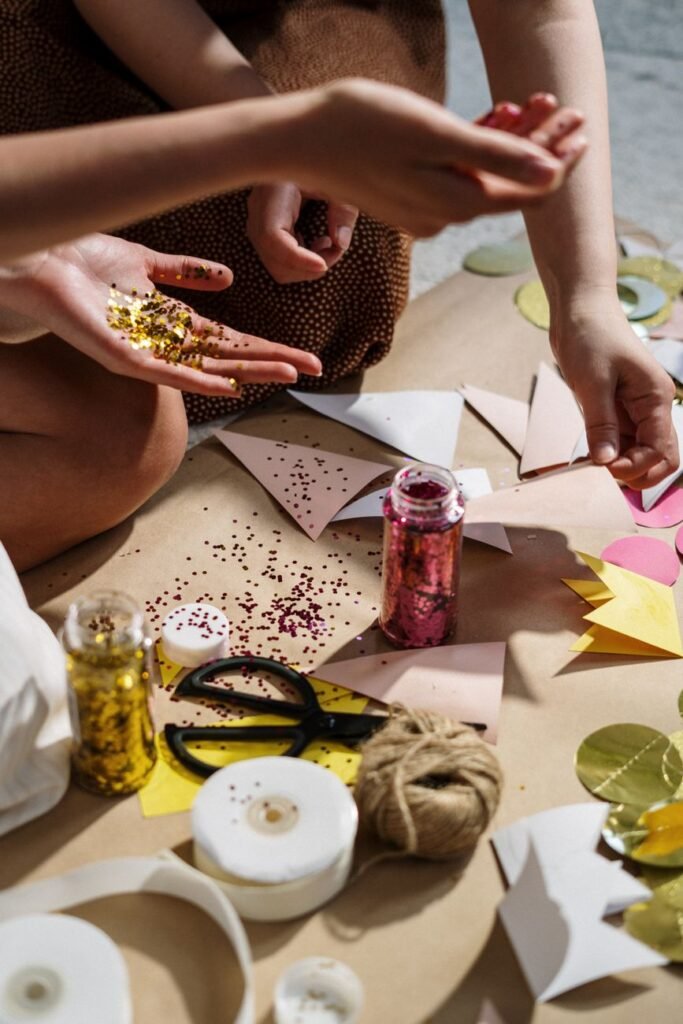
For a garland, punch holes in paper shapes and thread them onto twine. Try pale green leaves in spring, bright circles in summer, rust-colored cutouts in autumn, or white stars in winter. A few pressed leaves or dried orange slices can be tied between the paper shapes when available.
For a table arrangement, place a jar or two on the tray and build around them. Pebbles and flowers suit warmer months; pinecones and evergreen clippings suit colder ones. A strip of colored paper around each jar can mark a holiday without gluing anything permanently in place. Keep dried plants and paper away from candle flames.
For a window display, tape paper shapes to the glass or hang them from a length of twine. Removable tape makes the changeover quick, and a limited palette keeps even mixed found materials looking intentional.
Before making decorations for a holiday whose date changes, check the calendar for that year. Easter, Lunar New Year, and Diwali, for example, do not fall on the same date every year; knowing the date helps leave time to gather materials and make the display.
Winter after the holidays
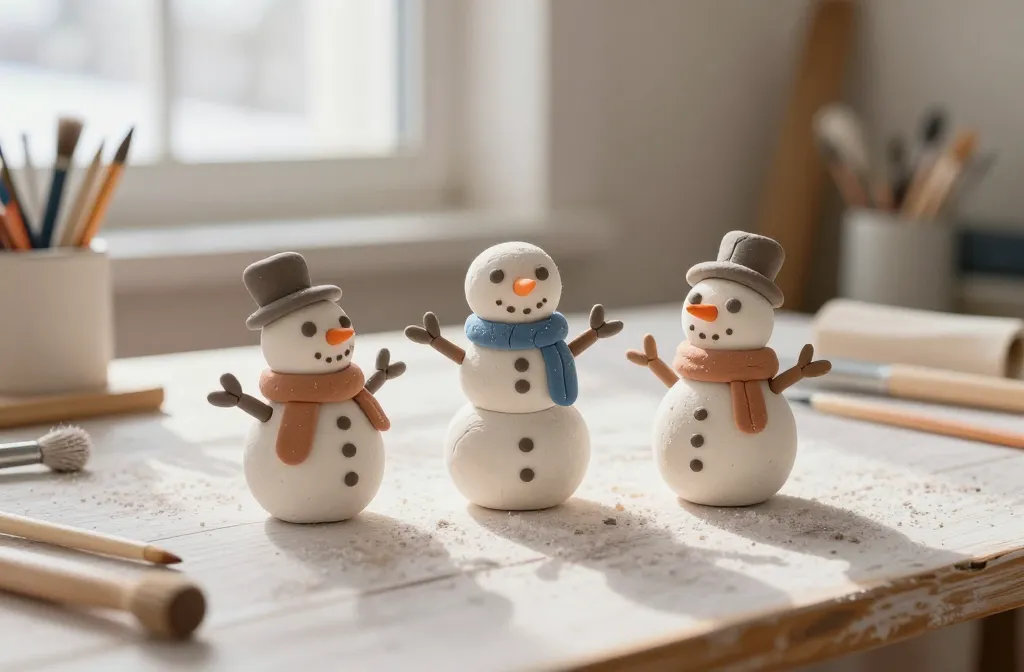
Once Christmas decorations are packed away, snowflakes and bare branches can still feel right for the season. Cut paper snowflakes for a window, or string white paper circles into a falling-snow garland. For a tabletop display, arrange pinecones in a clear jar with a battery-operated candle beside it, away from the dried materials. These post-Christmas winter projects can stay up until the first signs of spring.
A limited palette helps reused supplies feel fresh: try white paper, natural twine, and a little silver instead of red ribbon or ornaments. Removable decorations are especially handy here; a paper garland can be shortened, moved, or stored flat for next year.
Lunar New Year decorations deserve a more deliberate approach. Red envelopes, auspicious characters, and zodiac animals carry meanings tied to particular customs and, for zodiac animals, the year. The meanings behind Lunar New Year decorations are worth checking before making a banner or gift. A household simply seeking winter color can stick with snow and greenery rather than treating cultural symbols as generic seasonal patterns.
From spring finds to Easter eggs
A spring equinox display can start with fallen twigs, pressed flowers, and a jar already in the cupboard. Keep the arrangement loose so it can change as new greenery appears. For Easter, a few decorated eggs can sit alongside it, adding color without rebuilding the whole display.
For a handful of eggs, start with household supplies. Washable markers make simple dots and stripes; scraps of tissue paper can be brushed onto empty eggshells with diluted craft glue. Stickers are an easy option for children who would rather skip wet materials. If the eggs will be eaten, use food-safe decorating materials and keep hard-boiled eggs refrigerated between decorating and display.
For a group or a whole carton, a kit may save setup time. Check how many eggs it decorates, whether dye cups and tools are included, and how the eggs will dry without touching. One shared kit may cover the colors but not provide enough cups or work space for everyone, so set out extra bowls and a protected drying spot before starting.
Cards and decorations for warmer days
Pressed-flower cards turn a spring walk into something easy to share. Place small flowers or leaves between sheets of plain paper under a heavy book until completely dry, then glue them to folded cardstock. A simple border cut from leftover colored paper can make each card feel finished without hiding the flowers.
For a picnic or family gathering, familiar cutting and folding skills are enough. Paper flags clipped to string make a garland that packs flat and can be hung without storing a bulky centerpiece. Choose sturdy paper if it may flutter outdoors, and bring the garland inside if rain threatens.
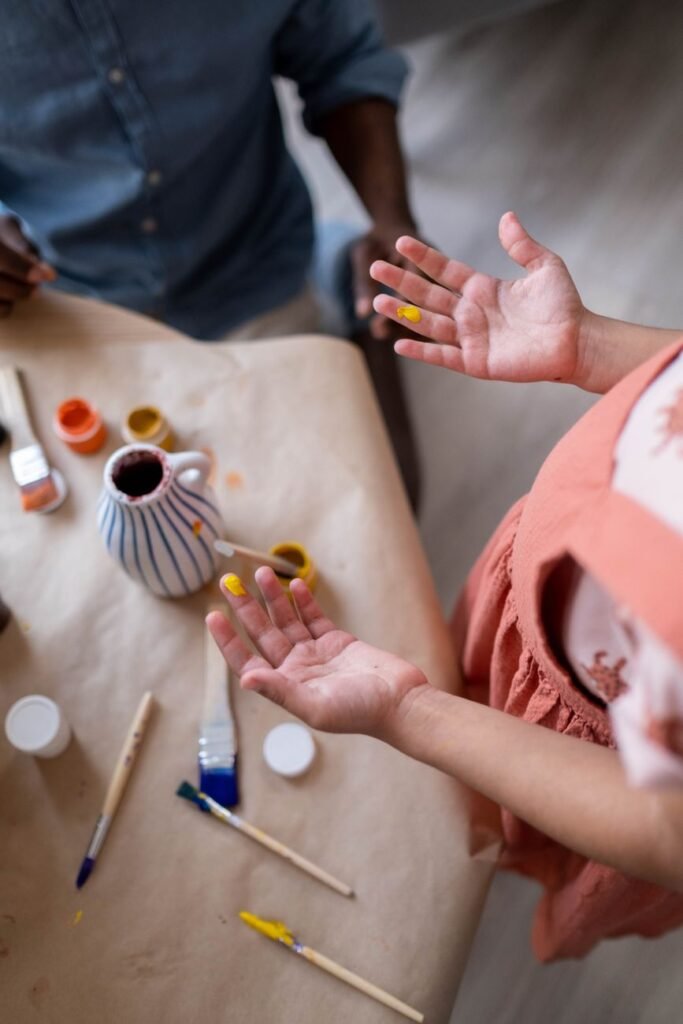
Small painted pots are another easy-to-display project. Paint the outside of a terracotta pot, leave its drainage hole clear, and let it dry before adding a plant. Keep the shape; change the colors: a locally observed holiday might suggest a palette for the cards, garland, or pots, while the same designs remain useful afterward.
Autumn finds for simple projects
Fallen leaves, seed pods, acorn caps, and small twigs bring color and texture to modest autumn projects. Pressed leaves can decorate gift tags or a strip of kraft paper for the table. A handful of seed pods looks striking in a shallow bowl, without glue or paint.
Gather everything before work begins so there is time to sort and dry the finds. Choose intact materials from places where collecting is allowed, brush off dirt, and check pods for insects. Discard anything damp or moldy. Fresh leaves can curl as they lose moisture, pulling away from a glued surface; pressing them between absorbent paper under a heavy book for several days helps them lie flat.
If pressing must wait, small projects for freshly gathered leaves make use of their flexibility. Once leaves are dry, test glue on one before decorating the rest: brittle edges can tear.
Store unused finds in a paper bag, not sealed plastic, and keep finished pieces away from candles.
Halloween and Thanksgiving projects
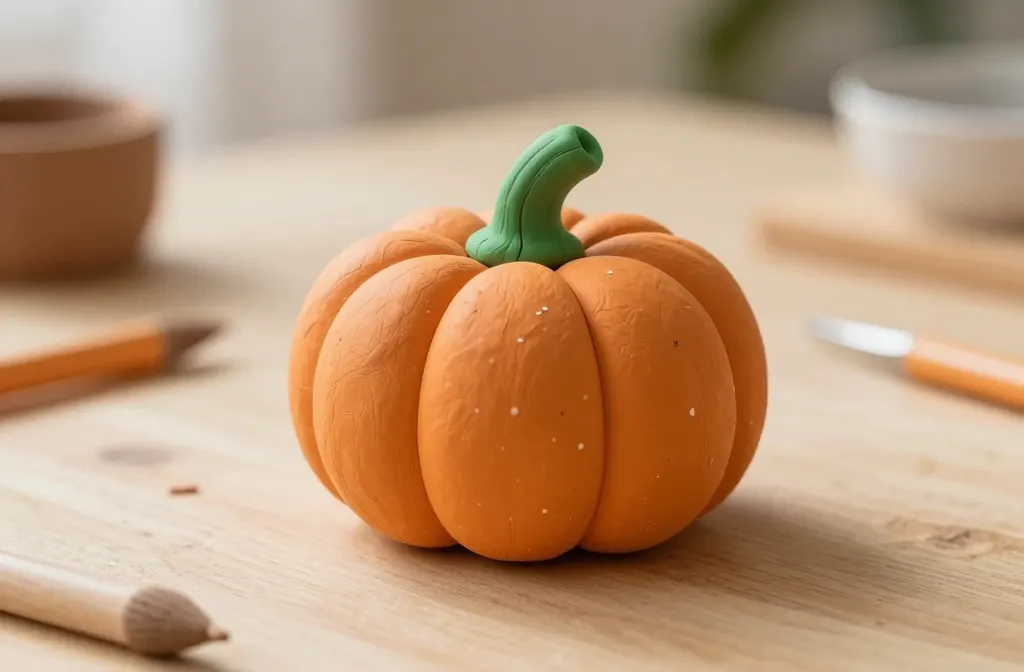
Halloween decorations can come together in an evening. Cut bat shapes from black paper and tape them to a window, or drape clean white fabric over a jar for a small ghost. For more decorations that can be finished before Halloween night, choose projects with short drying times and supplies already at home. A pumpkin can stay intact, too: paint or removable stickers work for a simple face, while no-carve decorating kits offer pieces to attach without knives. Check whether a kit is meant for real or foam pumpkins before buying it.
For Thanksgiving, the same pumpkins can move from the doorstep to the table alongside dried leaves, pinecones, and small branches. A table arrangement made from natural materials works best when it leaves room for serving dishes and lets guests see one another. Brush dirt from gathered pieces, let them dry fully, and keep them away from food and candle flames. Thanksgiving falls on different dates in different countries, so checking the local calendar before gathering materials helps keep the project unhurried.
If Diwali falls within the autumn period being planned, check its date locally rather than assuming it coincides with Halloween or Thanksgiving. It has its own traditions and meanings; its decorations are not simply another version of autumn décor. For a space where open flames are unsuitable, flame-free Diwali decoration ideas can help families plan a display appropriate to the celebration.
Christmas projects for a group or a quiet evening
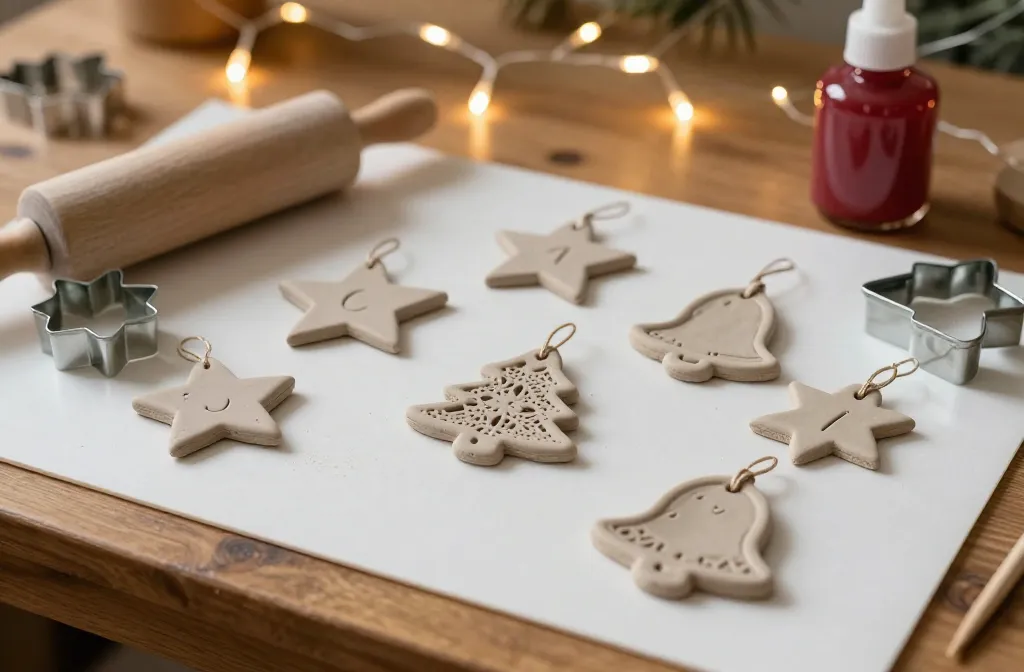
Christmas ornaments work well when several people want to craft at once. Each person can decorate a separate piece, then leave it to dry while the next one takes shape. A kit cuts down on supply gathering, but its ornament count may not match the number of people at the table. It also helps to check whether everyone can work at once or must share one paint set or tool.
A gingerbread house makes a better shared centerpiece than a parallel project. One or two people can assemble the walls while others sort sweets or prepare decorations. Check the kit’s assembly and setting time, not just its decorating time: icing that needs to firm up can turn a quick-looking activity into an afternoon project. For a larger group, extra decorating space—or a second small house—may keep everyone involved.
A fillable Advent calendar is quieter work, usually done by one person before December begins. Filling 24 compartments takes longer than choosing the calendar, especially when treats need wrapping or several calendars are involved. Measure a sample treat before buying the kit; compartment openings can be narrower than they look in photos. Small notes or paper activities can fill spaces that will not hold a favorite sweet.
A manageable year-round plan might use one adaptable project for each season: winter window cutouts, spring cards, summer garlands, and autumn tabletop displays. Colors and small details can change while the basic tools stay the same. Holiday versions need only be added for celebrations a household observes; there is no need to fill every date on the calendar. A short supply note can separate what is already on hand, what can be gathered locally, and what must be ordered ahead. Checking it before each season makes the next project easier to start.