Starting your crafting journey
If you want to start crafting at home but don't know where to begin, this guide walks you through choosing a first craft, building a small kit and finishing projects you're proud of.
- How to pick a first craft that suits you
- A simple step-by-step plan for your first month
- Beginner mistakes to avoid
- What to look for when comparing hobbies
- Start with one craft Pick a single hobby and one small project instead of trying several at once.
- Buy for the project Gather only the materials your first project needs; build your kit gradually.
- Finish quickly Choose projects you can complete in one or two sessions to build confidence.
- Make it a habit A regular weekly slot and a ready-packed project bag keep you crafting.
How to Start Crafting at Home Without Feeling Overwhelmed
The easiest way to start crafting at home is to pick one simple project, gather only the materials that project needs, and finish it before buying anything else. Most beginners stall not because crafting is hard, but because they try to learn five hobbies at once and end up with a cupboard of untouched supplies.
You do not need a craft room, a big budget or natural talent. A kitchen table, a small box of basics and an hour or two a week is plenty. If you are unsure what belongs in that first box, our guide to what craft supplies beginners need breaks it down by hobby so you only buy what you will use.
Think of your first month as an experiment rather than a commitment. You are learning what you enjoy, how your hands like to work and how much time you realistically have. Every finished piece, however wobbly, teaches you more than a stack of tutorials you have only watched.
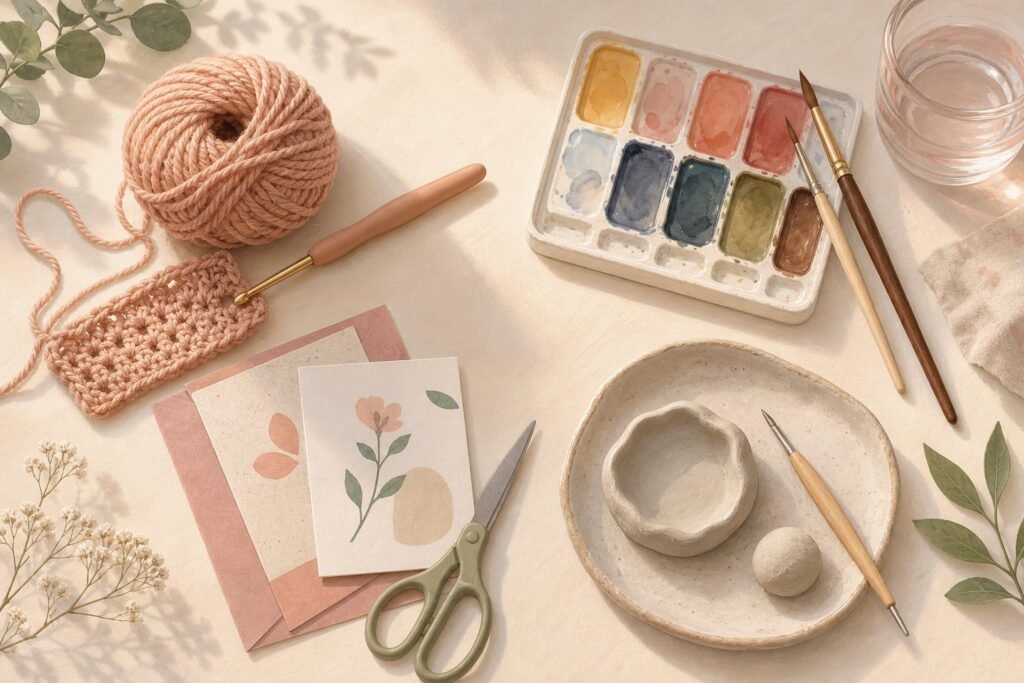
Choosing Your First Craft Before You Start Crafting at Home
Crafting for beginners works best when the first hobby matches your personality and your space. Ask yourself three questions: do you want something portable or something you leave set up, do you enjoy precise or loose and expressive work, and how much mess can your home tolerate? The honest answers narrow the field quickly.
Yarn crafts: knitting and crochet
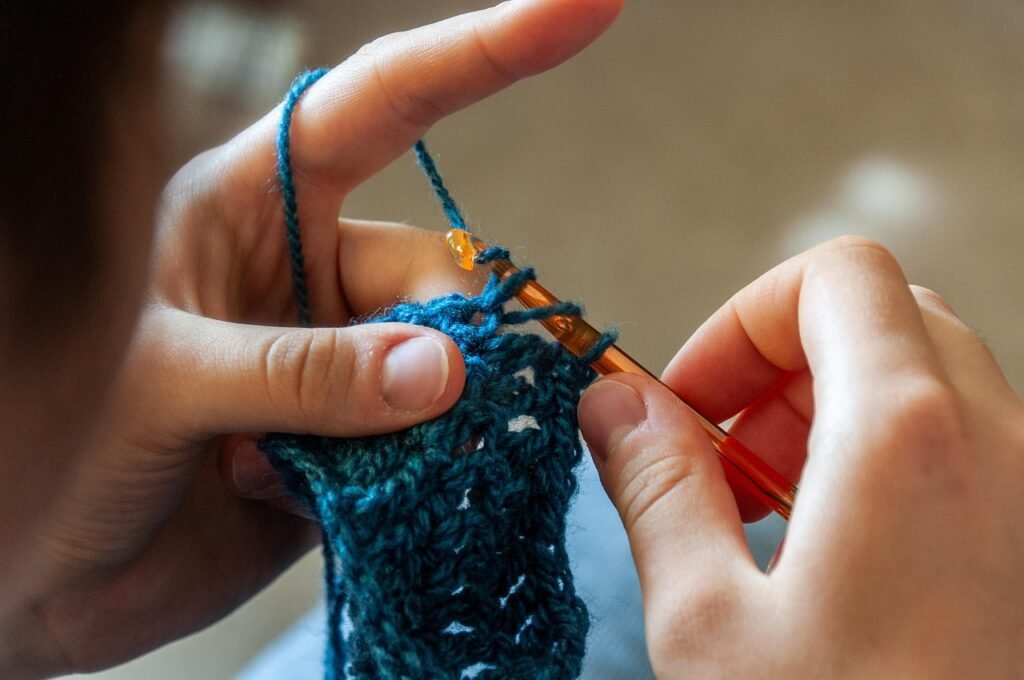
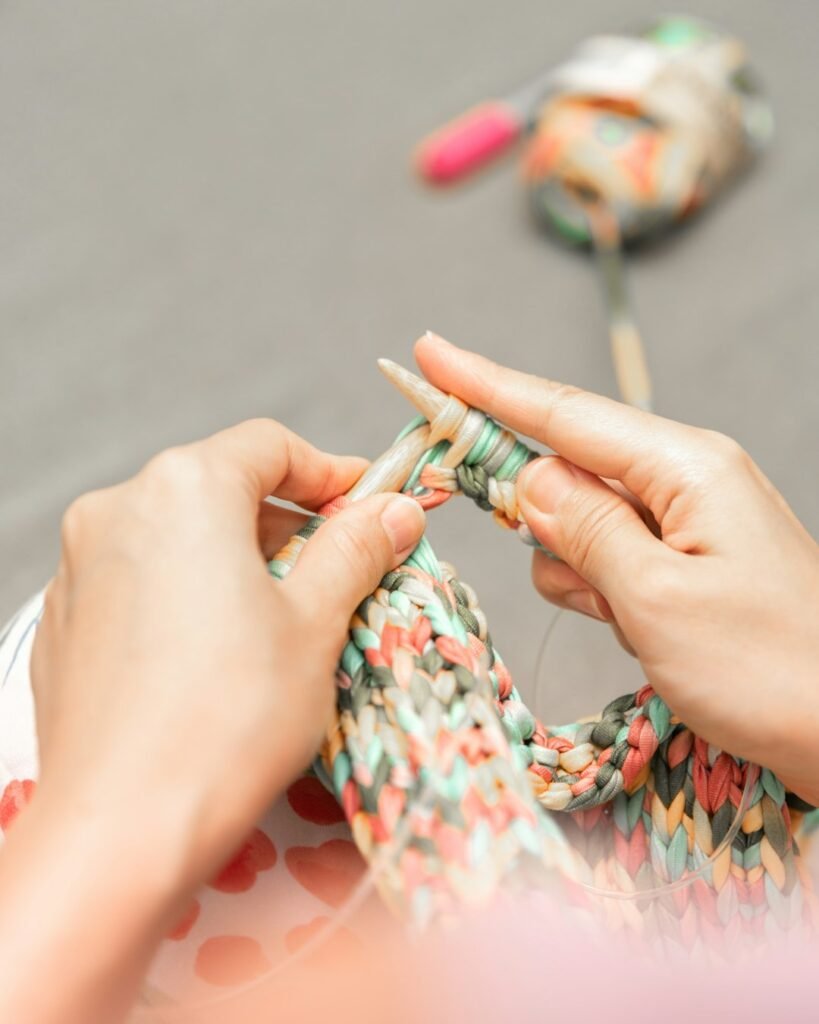
Knitting and crochet need very little kit, pack into a small bag and suit people who like repetitive, calming movement. Crochet uses one hook and is often quicker to learn; knitting uses two needles and produces a softer, stretchier fabric. Both reward patience, and a dishcloth or simple scarf makes a perfect first project.
Paper crafts and card making
Paper crafts are cheap, low-mess and forgiving. Card making, scrapbooking and simple folding use scissors, glue, card stock and a ruler you may already own. They are ideal if you like quick results and want to make gifts.
Painting and drawing
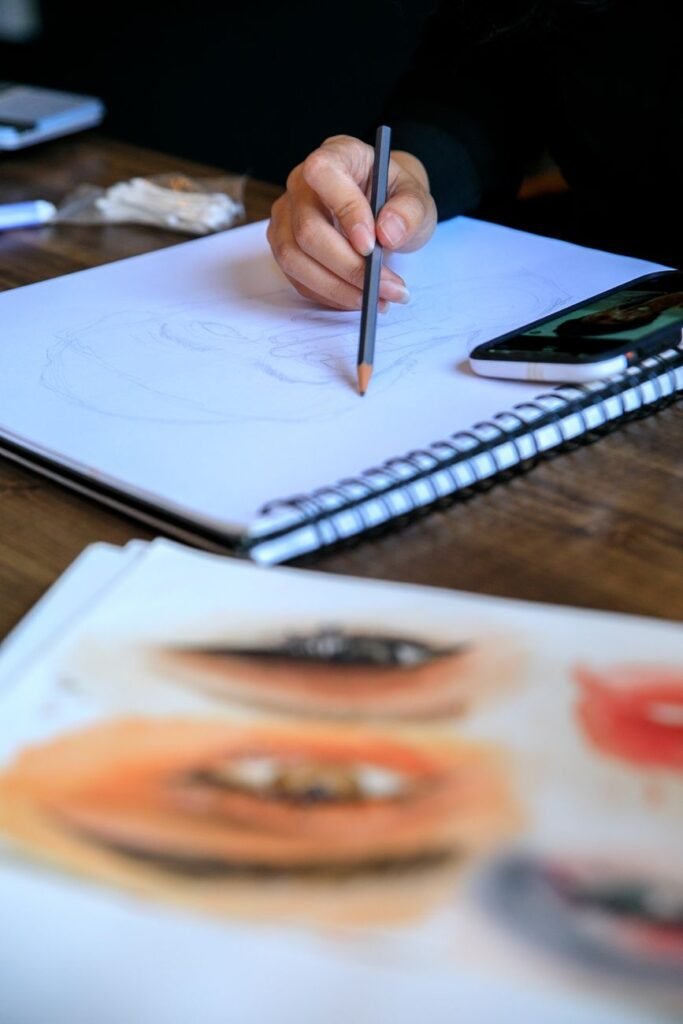
Acrylics dry fast and cover mistakes, while watercolour is more unpredictable but very portable. Drawing needs only a pencil and paper. Choose these if you enjoy colour and want a hobby you can do in short bursts.
Clay, sewing and mixed media
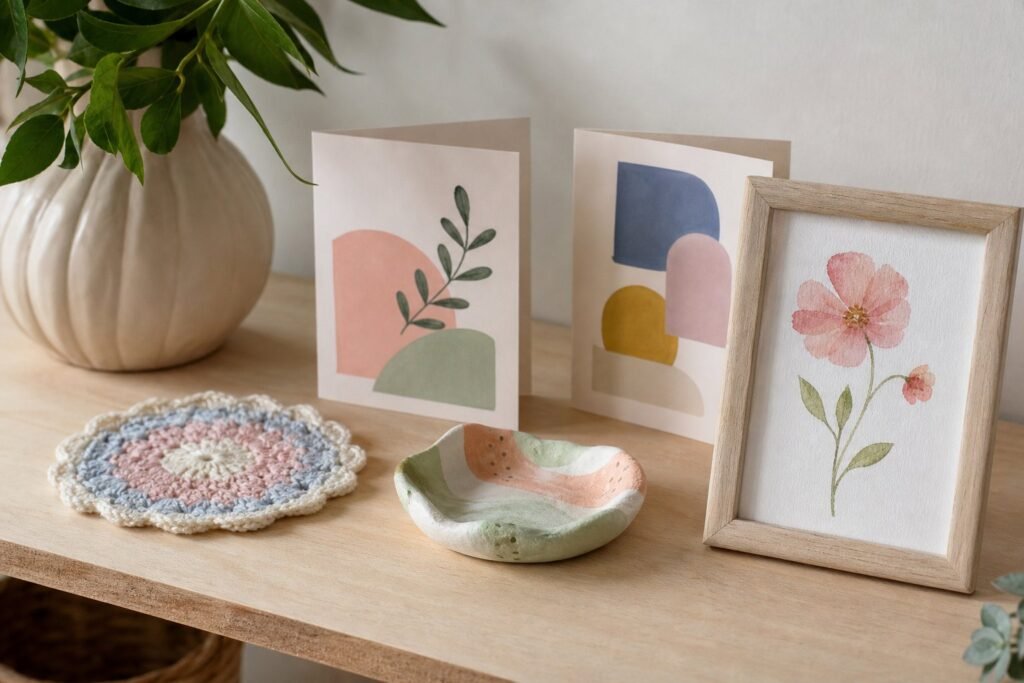
Air-dry clay, hand sewing and mixed-media collage sit in the middle: slightly more setup, but very satisfying, practical beginner craft projects such as trinket dishes, tote bags and wall art.
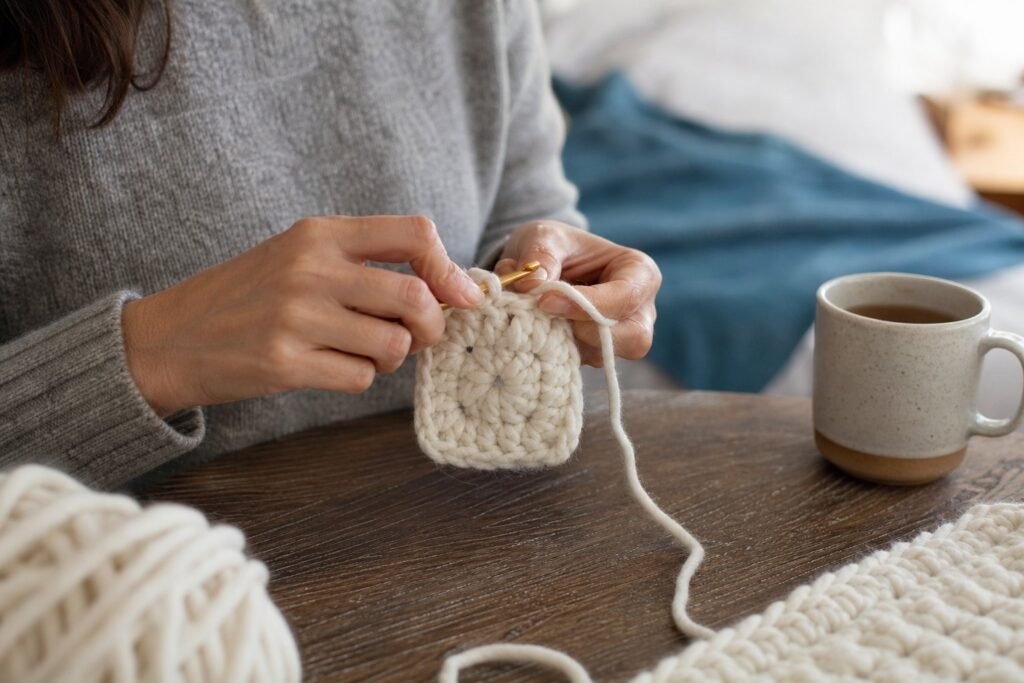
8 steps to start crafting at home
-
Decide what you want from crafting
Relaxation, gifts, home decor or a creative challenge? Your reason points you towards the right hobby.
-
Pick one craft to try first
Choose a single hobby that suits your space, budget and patience, such as crochet, card making or painting.
-
Choose a small first project
A coaster, greeting card, dishcloth or small painting is ideal: quick to finish and easy to repeat.
-
Gather only what that project needs
Check what you already own, then buy the few missing basics in reasonable quality.
-
Set up a simple workspace
Clear a table with good light, protect the surface with a mat or old cloth, and keep everything in one box.
-
Follow one beginner tutorial
Use a single clear tutorial or pattern from start to finish rather than jumping between many.
-
Finish, then reflect
Complete the project even if it isn’t perfect, and note what you enjoyed and what was frustrating.
-
Repeat and level up
Make the project again or try a slightly harder one, adding tools only when a project calls for them.
Common Mistakes When You Start Crafting at Home
The most common mistake is buying everything before you know what you like. Big starter bundles look like good value, but they often contain low-quality tools that make learning harder. Buy small, buy decent quality for the tools you touch most, and upgrade once a hobby has stuck.
The second mistake is choosing a project that is too ambitious. A blanket, a portrait or a full outfit can take weeks, and an unfinished first project is a fast route to giving up. Choose beginner craft projects you can finish in one or two sessions, then step up gradually.
Other frequent problems include skipping practice swatches, comparing your work to polished online photos, and working in poor light. Give yourself permission to make ugly practice pieces. They are how every experienced crafter learned.
Beginner crafting myths
Crafting is a set of learnable skills built through practice.
Believing you lack talent stops many people before they start.
Many crafts start with a handful of inexpensive basics and household items.
Cost only climbs if you buy supplies faster than you use them.
A corner of a table and one storage box is enough for most beginner projects.
Waiting for the perfect space delays the fun.
Early projects are practice; neatness comes with repetition.
Realistic expectations keep you motivated.
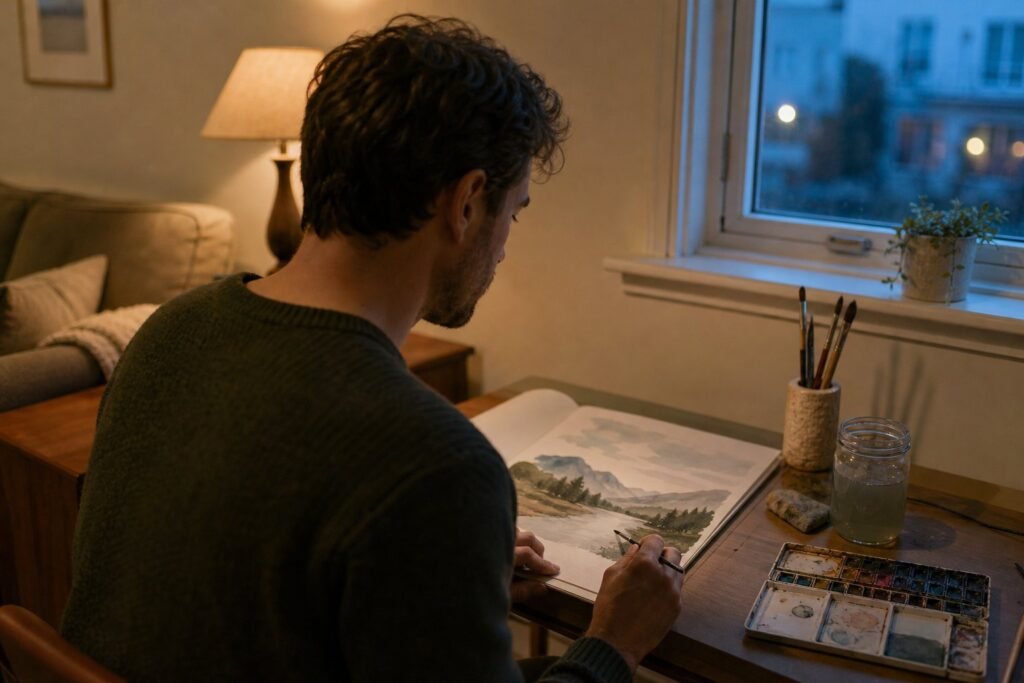
Keeping the Habit Going Through the Year
Once you start crafting at home, the challenge shifts from learning to keeping going. Tie crafting to a regular slot, such as a Sunday afternoon or a weekday evening after dinner, and keep a small project bag ready so you can pick it up in spare minutes.
Seasons are a natural source of ideas, and crafting for beginners is much easier to sustain with a loose plan. Autumn and winter suit cosy yarn projects and handmade gifts, spring is a good time for paper flowers and painting, and summer suits portable crafts you can take outside. Planning around the calendar gives you a steady stream of projects without the pressure of inventing ideas from scratch.
Look after your tools between projects. Wash brushes properly, wipe scissors and blades, keep glue lids closed and store yarn away from dust and sunlight. A little maintenance means your basic kit lasts for years and is always ready when inspiration strikes.
Low-Cost Ways to Start Crafting at Home
You can start crafting at home for very little money if you treat your house as a supply cupboard first. Before buying anything, look for materials you already have and think about which projects could use them.
Use what is already in your home
Old magazines, cereal boxes, jam jars, fabric scraps, buttons and leftover ribbon are all useful. Cardboard makes sturdy card bases and templates, glass jars become painted lanterns or storage, and worn-out clothes can be cut into strips for weaving or stuffing. Many beginner craft projects started life as something that was heading for the recycling bin.
Borrow, swap and share
Libraries often lend craft books and sometimes tools, and local community groups or online swap pages are full of people passing on yarn, fabric and paper they no longer need. Ask friends and family too; most crafters have a stash they would love to see used.
Spend where it matters
When you do buy, put your money into the one or two tools you will use every session, such as sharp scissors, a comfortable hook or a decent brush. Cheap versions of these are frustrating and can make crafting for beginners feel harder than it really is. Everything else can be basic until you know the hobby is a keeper.
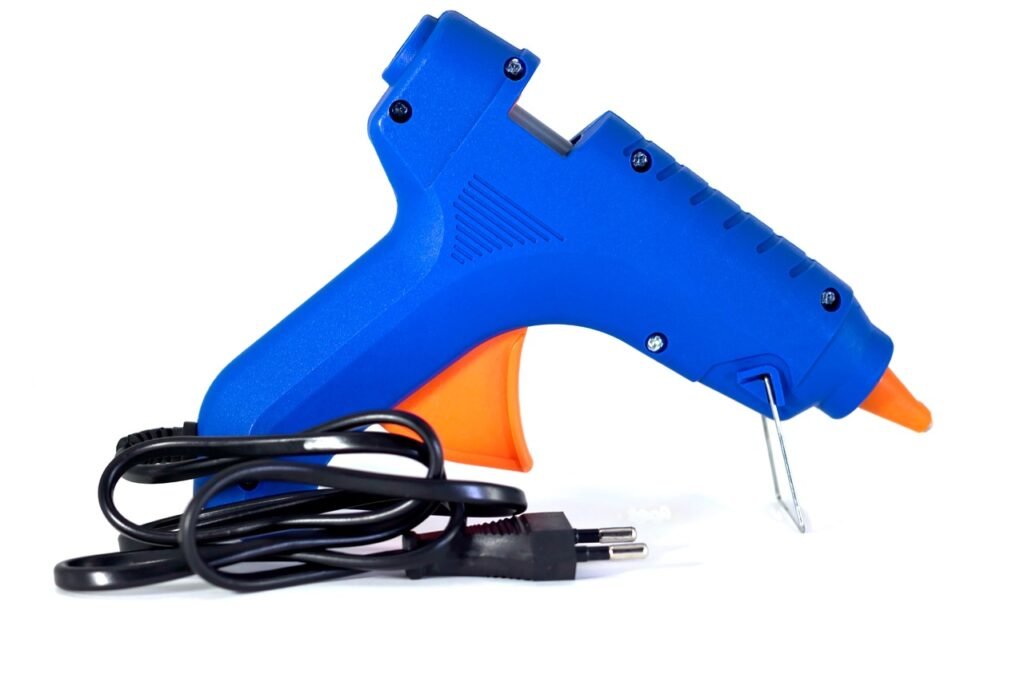
Work in a well-ventilated room when using glues, paints, sprays or resin, keep blades and hot tools away from children and pets, and always read the label on any adhesive or solvent before you start.
Getting the Details Right
Before you commit to a hobby, it helps to judge it against a few practical points: cost, space, mess, time per session and how quickly you will see results. A hobby that fits your real life will always beat one that only fits your imagination. Storage matters too, because supplies scattered across the house are easy to forget about; learning how to organize craft supplies early keeps your space calm and stops you buying duplicates. Use the checklist below to compare your options honestly.
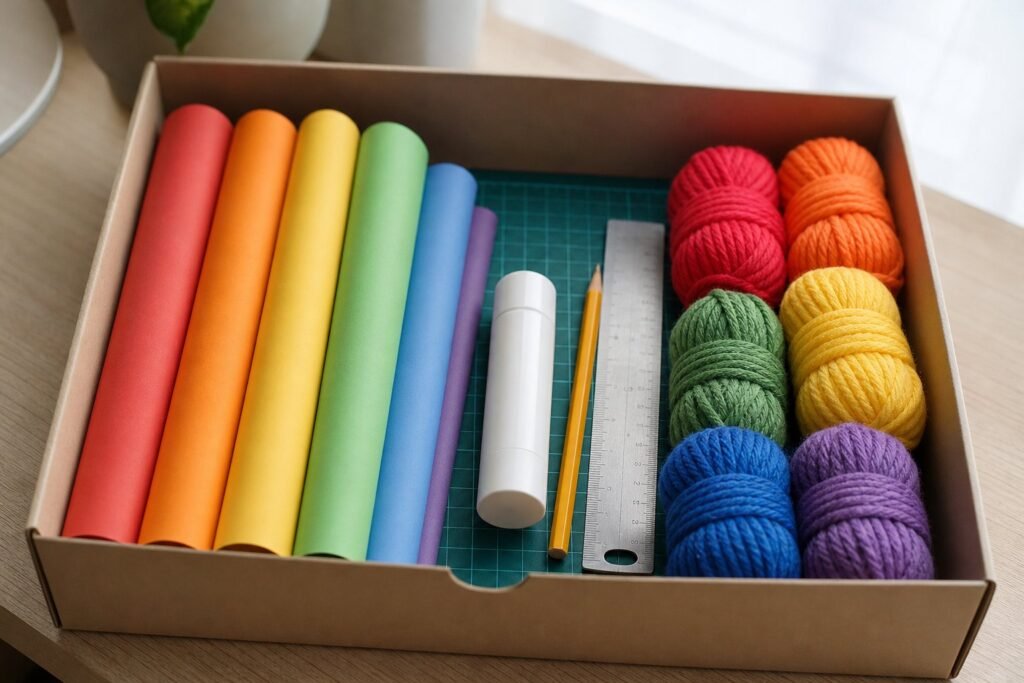
How to choose a beginner-friendly craft
How much you need to spend before your first project.
How much room the craft takes and how easy it is to tidy away.
How long a meaningful session takes.
How quickly you see a usable result.
Materials and tools that need extra care.
Crafting is worth the effort for more than the finished objects: a 2024 study reported by Anglia Ruskin University found that people who regularly do arts and crafts report higher life satisfaction and a stronger sense that life is worthwhile. Whatever you choose when you start crafting at home, read the labels on glues, paints and solvents, work with good ventilation and keep sharp tools out of reach of children. The free Art and Craft Safety Guide from the U.S. Consumer Product Safety Commission explains how to choose and store common materials safely at home.
Crafting terms for beginners
- Swatch
A small test piece of knitting, crochet or paint used to check tension, colour or technique before a full project.
- Stash
Your collection of craft supplies, especially yarn, fabric or paper.
- Mixed media
Artwork that combines several materials, such as paint, paper and fabric, in one piece.
- Cutting mat
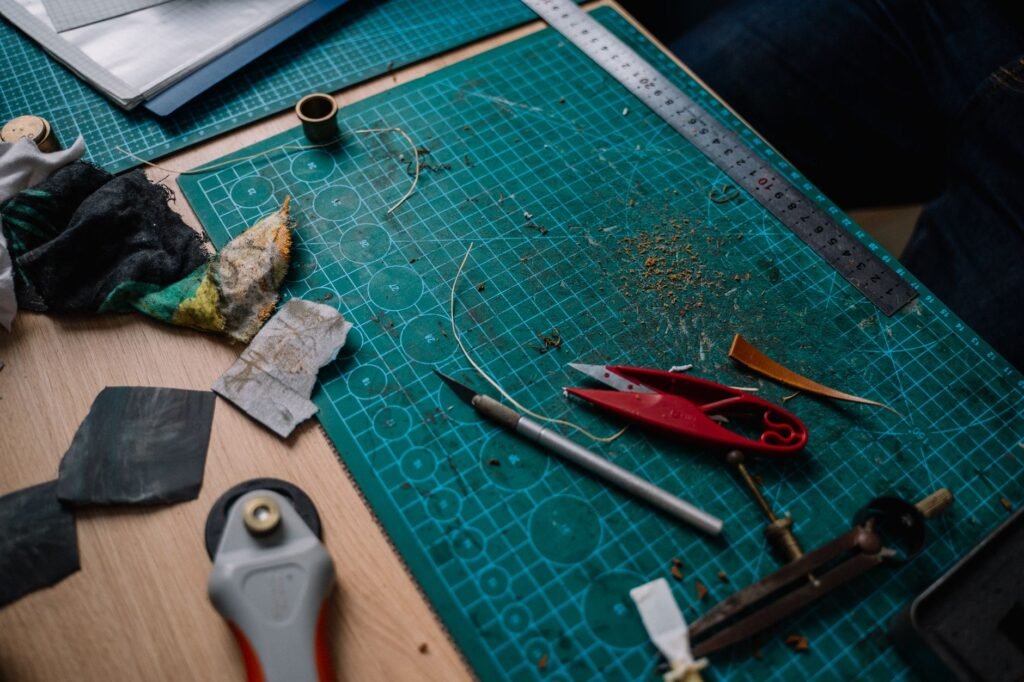
A self-healing surface that protects your table and keeps blades sharp when cutting.
- WIP
Short for work in progress: a project you have started but not yet finished.
Frequently asked questions
What is the easiest craft to start at home?
Paper crafts such as card making are usually the easiest, because they need only scissors, glue and card. Crochet and simple painting are also very beginner friendly.
How much does it cost to start crafting at home?
Many beginners start with very little, using household items plus a few basics for one project. Costs grow only as you add hobbies or upgrade tools.
How do I choose a craft hobby if I like everything?
Try one small project in two or three crafts over a month, then keep the one you looked forward to most and that fits your space and time.
How much time do I need for crafting?
Even 20–30 minutes a few times a week is enough to learn. Short, regular sessions build skill faster than occasional long ones.
What should my first craft project be?
Choose something small you can finish in one or two sessions, such as a greeting card, coaster, dishcloth, small painting or air-dry clay dish.
Your first crafting steps
- Start with one craft and one small project
- Buy only what that project needs
- Finish projects before starting new ones
- Keep a regular weekly crafting slot
Starting a craft hobby is about small, finished wins rather than a perfect setup. Pick one craft, one project and a little space, and let your kit and skills grow with each piece you make.
- Choose your first project this week
- Set up a simple storage box for your supplies