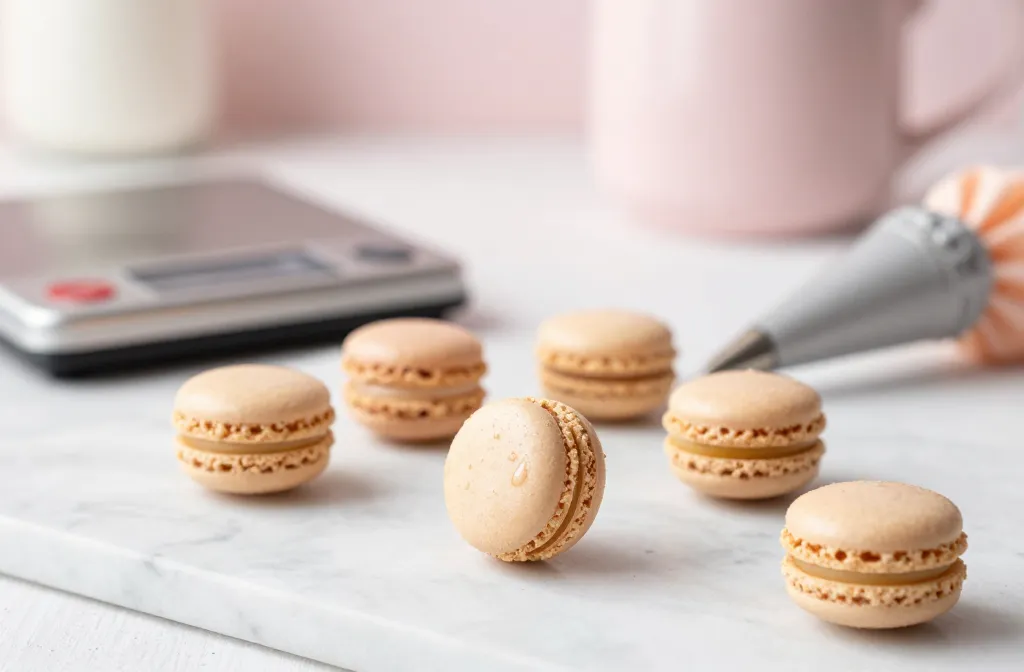
Ready to dive into tiny shells, big flavors, and chaos that somehow looks adorable? Miniature macarons aren’t just cute snacks—they’re a tiny, demanding art form. Let’s break down the process so you actually enjoy the bake, not just chase the perfect feet.
Why Tiny Macarons Are Worth The Armful of Mess
Macarons are finicky. They demand patience, precision, and a dash of stubborn optimism. But when you finally pop a bite and hear that delicate crack, you’ll forget every minor catastrophe. FYI, the small size makes it easier to share, nibble, and pretend you’re a genius patissier in a tiny kitchen.
Tools You Need Without Losing Your Sanity
Before you start, gather the right gear. Skipping this step is how you end up with brittle shells and a crying mixer. Here’s the lean list:
- Two baking sheets lined with parchment
- Milk cap or mini piping tips (for precise shells)
- Digital scale (trust the grams, not vibes)
- Stand mixer or robust handheld mixer
- Sifter and a silicone spatula
Optional, but nice: a pastry bag with small round tips, a macaronage paddle, and a silica mat for consistency. Yep, extra gear makes the process smoother, but you can make do if you’re resourceful. IMO, the right tools cut the drama by at least 60%.
The Science of the Shell: Meringue Magic
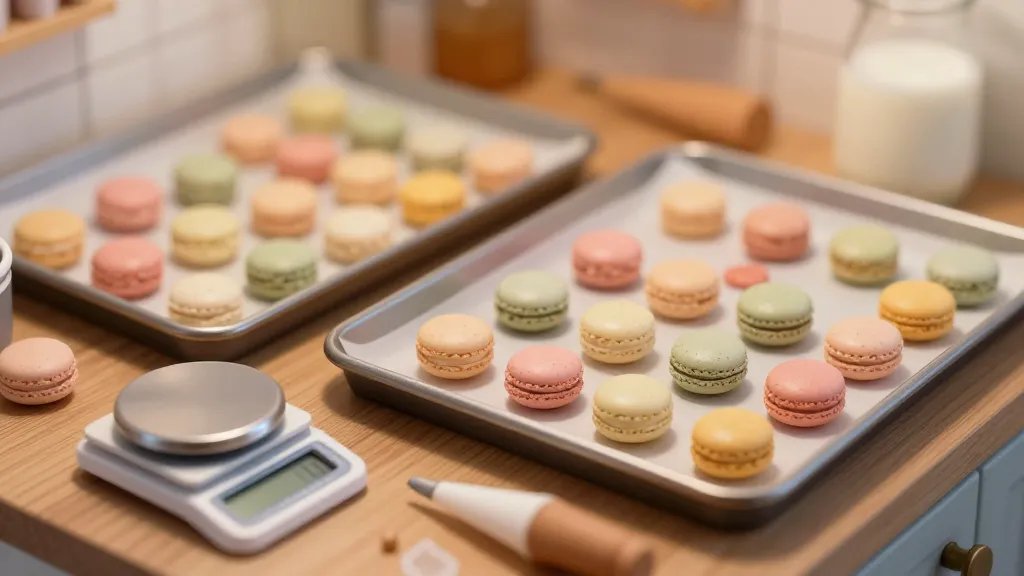
The shell is where the magic happens. The goal is a crisp exterior with a chewy interior and that characteristic “foot.” So what actually goes into that?
- Whip egg whites to stiff peaks. Fresh eggs are great, but room temperature whites whip better. Trust the science and not your fear of yolk allergies.
- Fold almond flour and sugar into the meringue with a technique called macaronage. You want a lava-like streak that blends slowly into the batter.
- Pipe evenly onto sheets and let them rest. This rest period creates a skin, which is how you avoid hollow shells and achieve that lovely foot.
Top tip: don’t over-mix. Under-mix and you’ll get cracks; over-mix and you’ll get pancake shells. Groan-worthy, but true.
Common Pitfalls and Quick Fixes
Spots to watch:
- Tiny hollow centers? Slightly under-whipped meringue or over-mixed batter. Re-check your macaronage time and try again with a gentler stroke.
- Cracked shells? Rest too short or oven too hot. Let the shells dry longer and consider lowering the bake temperature.
- Feet not forming? The batter might be too runny. Add a touch more almond flour, don’t go crazy, just a whisper of extra mostly.
Filling Your Tiny Delights: Flavor Pairings That Shine
The fill is half the fun. You can go classic vanilla, chocolate ganache, or something bolder like passion fruit curd. Mini macarons adore zingy centers that cut through the sweetness.
- Classic ganache: dark chocolate with a splash of cream and a pinch of salt
- Fruit curd: lemon, raspberry, or passion fruit for brightness
- Buttercream: a fluffy ally that cushions the shell
FYI, balance is everything. If your shells are sweet, pull the filling back a notch and vice versa. Taste as you go, you nonchalant genius.
Color, Flavor, and Presentation Tricks
Mini macarons scream for personality. Use natural food coloring to keep things cute and not fluorescent. Layer flavors that complement each other, and label the boxes so friends don’t guess at a mystery coconut bomb. Also, a sprinkle of edible gold or a tiny chocolate decor can elevate your display without overshadowing the main flavors.
Impressive Fillings You Can Actually Make
Here are a few crowd-pleasers you can whip up without turning your kitchen into a culinary war zone:
- Raspberry white chocolate ganache
- Espresso buttercream with a dark chocolate drizzle
- Lemon curd with vanilla bean buttercream
Want to push your boundaries? Try a matcha white chocolate ganache or pistachio cream. The trick is to pair sweetness with acidity or a slight bitterness to keep vibes sophisticated, not sugary chaos. IMO, keep it simple to start and level up later.
Storage and Transport: Keeping Them Fresh
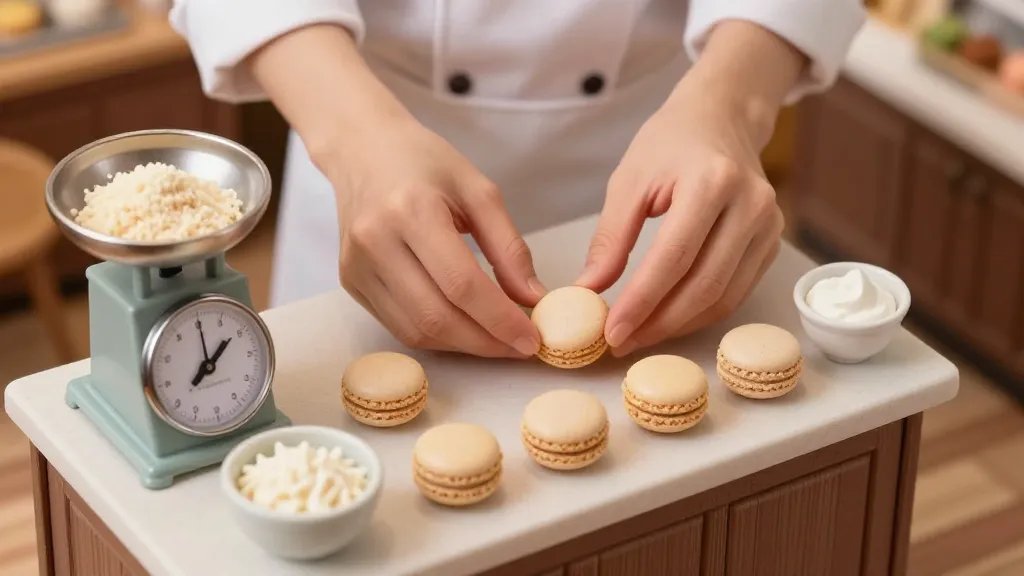
Mini macarons are not the most forgiving treats. They’re delicate, especially when filled. A few storage tips:
- Keep unfilled shells airtight for up to 3 days in the fridge.
- Assemble fillings within 24 hours of serving for peak texture.
- Freeze filled macarons in an airtight container for up to 1 month; thaw overnight in the fridge.
Pro move: assemble just before serving if you’re bringing them to a party. The moment you pre-assemble, you risk soft shells and a sad face emoji on your kitchen timeline.
Mini Macaron Etiquette: Serving Like a Pro
Presentation matters, even if your kitchen looks like a tiny dessert tornado. Here’s how to make them look intentional:
- Pair colors with a motif (think pastel palette for spring or jewel tones for a party).
- Use a clean tray or a pretty cupcake stand to add height variation.
- Offer a tasting flight—three different flavors on a single plate keeps things interesting.
And yes, smile when someone bites in. It’s not just about the taste; it’s the tiny celebration of your effort and the love you poured into each shell. It counts, even if your kitchen still smells like almond flour for days. FYI, your future self will thank you for the extra effort.
FAQ
1. Can I make miniature macarons without a fancy oven?
Yes, you can. Use convection if your oven has it, which can help with even heat. If you don’t have convection, rotate the sheets halfway through baking and monitor for color. The key is keeping the temp stable and the humidity low so shells dry properly.
2. How do I know when the batter is perfectly macaronage-ready?
You’re aiming for a thick honey-like ribbon that flows slowly off the spatula and rings back into the batter. If it flattens instantly or stays in a stiff peak, you’re not there yet. The feel test is your best friend here.
3. What are some quick flavor ideas for beginners?
Go for classic pairings like chocolate ganache, lemon curd, or raspberry buttercream. These flavors balance sweetness nicely and are forgiving for first-timers. FYI, you can always tint a portion of ganache for a fun color pop.
4. How long do mini macarons stay fresh?
Unfilled shells stay freshest for 3-4 days in the fridge. Filled macarons are best within 2-3 days if stored in an airtight container. If you need longer storage, freeze both shells and fillings separately, then assemble later.
5. What’s the biggest mistake to avoid?
Under-whipping or over-mixing the meringue is a common pitfall. Both lead to unpredictable shells. Be patient with the macaronage, pipe consistently, and let the shells form a dry skin before baking. Tiny victories, big results.
Conclusion
Making miniature macarons is a delightful blend of science, artistry, and stubborn love. Start with the basics, respect the rest period, and don’t fear the occasional cracked shell—yum is still possible in those imperfect moments. By practicing, you’ll move from “cute snacks” to “tiny pastry legends” in no time. Ready to bake your next batch and impress your crew? Let’s get those mini shells cracking with confidence.