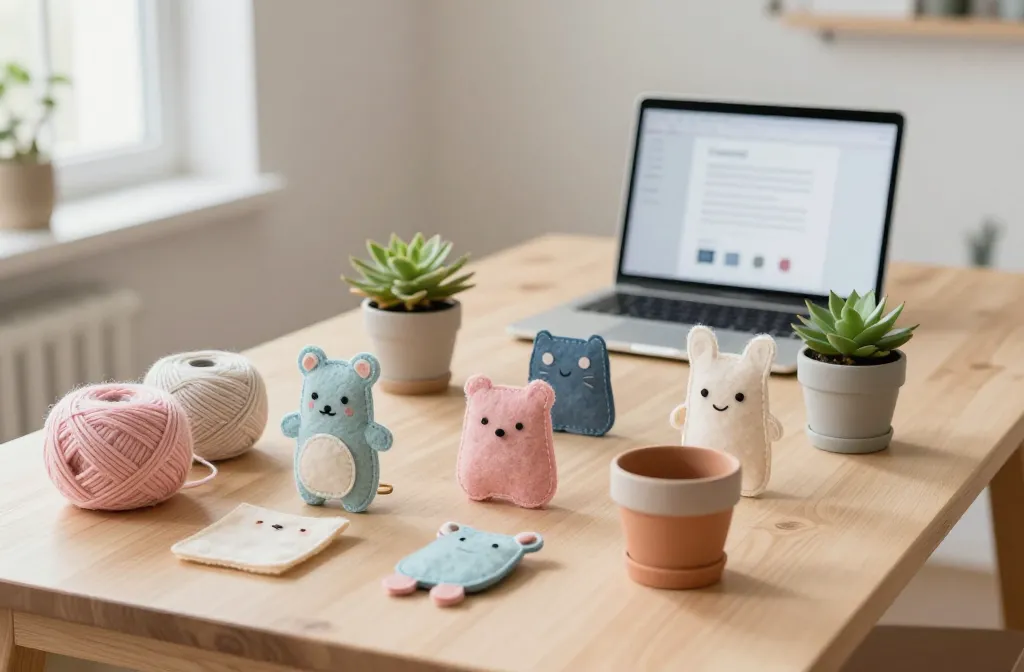
An adorable hobby can become a legit side hustle without turning your life into a full-time factory. If your yarn stash is overflowed, or your felt creatures are begging for a bigger audience, this guide breaks down practical steps with personality. Let’s turn those crafty vibes into coins, not just compliments.
Know Your Creative Niche
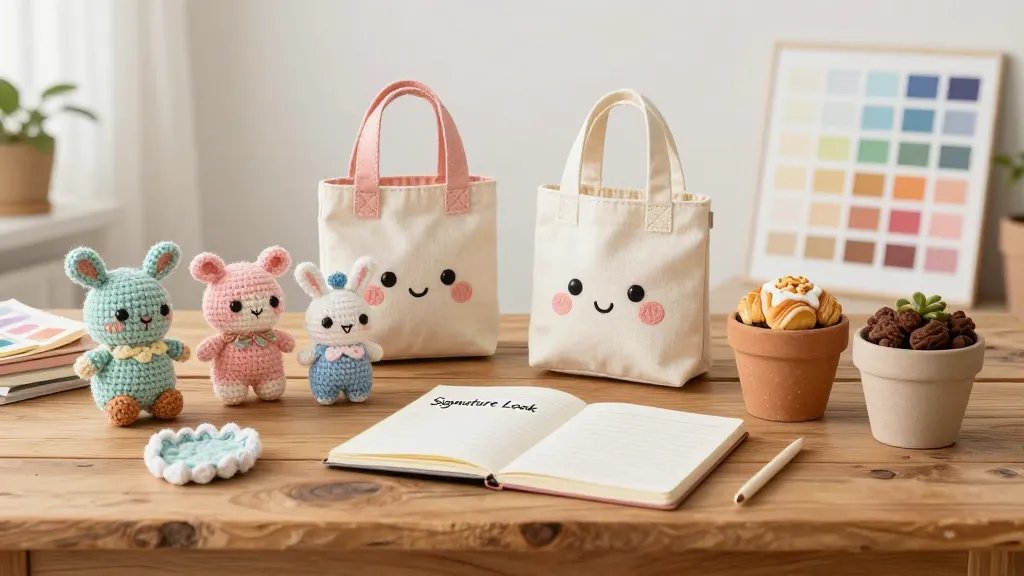
What exactly makes your crafts stand out? Do you sew tiny tote bags with cheeky faces, crochet whimsical creatures, or paint tiny plant pots that look like pastries? Nail your niche, and your marketing becomes way easier. IMO, focus on a specific audience and a signature style. FYI, “awesome stuff” won’t cut it—define a vibe, price point, and the type of customer who will pay for it.
Find Your Signature Look
– Identify recurring motifs you love (colors, patterns, shapes).
– Create a small set of flagship items that showcase your style.
– Use consistent photography and branding to build recognition.
Test the Waters
– Run a 2–4 week pilot: list 5–10 items, track views, favorites, and sales.
– Gather quick feedback from friends, family, and early customers.
– Tweak colors, sizes, or packaging based on what sells.
Pricing Without the Panic
Pricing can feel like a mystery novel with a bad plot twist. Start with cost-based pricing and then layer in value. You want to cover materials, time, and a little profit for your sanity. Don’t forget to account for shipping, packaging, and platform fees.
Simple Pricing Formula
– Material cost per item
– Time spent (hourly rate you’re comfortable with)
– Packaging and shipping per item
– Platform fees and payment processing
– Profit margin (aim for at least 30–50% if possible)
Bundling and Tiered Offers
– Create bundle deals (e.g., “3 mini creatures for a discount”).
– Offer a premium version with extra accessories or limited edition colors.
– Use tiered pricing to entice bigger orders.
Where to Sell: Platforms That Don’t Suck Your Soul
Choosing the right platform matters as much as your craft. You can test a couple of routes and see what sticks.
Online Marketplaces
– Etsy, Shopify, or Creative Market can get you discovered fast.
– Use high-quality photos, detailed descriptions, and generous policies.
– Stay active: respond quickly to messages and update listings often.
Social Commerce
– Instagram Shops and Facebook Marketplace work surprisingly well for visuals.
– Post behind-the-scenes clips, work-in-progress, and customer photos.
– Use stories and reels to show your process and personality.
Local and Pop-Up Plays
– Farmers markets, maker fairs, and local venues are gold for hands-on buyers.
– Offer live demos, mini workshops, or exclusive in-person bundles.
– Build a local fanbase who’ll become repeat customers.
Brand Your Craft Without Losing Your Soul
Branding isn’t about being fancy; it’s about being memorable. You want people to recognize your work in a heartbeat.
Create a Consistent Look
– Pick a color palette, a simple logo, and a friendly font.
– Use the same light, background, and photo angles in all pictures.
– Consistency builds trust and makes your shop look professional.
Voice and Personality
– Decide how you want to talk to customers. Playful? Witty? Wholesome?
– Use a few signature phrases in product descriptions and messages.
– Don’t be afraid to sprinkle humor—people buy from people.
Shipping, Packaging, and Customer Joy
Happy customers are repeat customers. Thoughtful packaging and smooth shipping make a huge difference.
Packaging Hacks
– Recycle and reuse packaging when possible, but keep it neat.
– Include a thank-you note or a little freebie to surprise your buyer.
– Brand your packaging with a sticker or business card.
Practical Shipping Tips
– Weigh items and print labels in batches to save time.
– Offer flat-rate shipping for simple budgeting.
– Clearly state processing times to prevent drama when someone orders.
Social Proof: Build Trust Fast

People want to know others love your stuff before they risk their hard-earned cash.
Customer Photos and Reviews
– Invite buyers to share pics of their purchase in use.
– Feature reviews prominently in listings or product pages.
– Respond kindly to all feedback, even if it’s not glowing.
Behind-the-Scenes Content
– Share your design process, from concept to final piece.
– Show your workspace, tools, and the little quirks that make you unique.
– Post occasional “fail” moments to keep it relatable—humor sells.
Legal and Practical Bits You Shouldn’t Skimp On
No one wants to get hit with a surprise tax bill or a forbidden-thing-you-didn’t-know trap.
Taxes and Permits
– Track income and expenses with a simple spreadsheet or app.
– Check if your area requires a business license or seller’s permit.
– Save receipts for materials, shipping, and fees to simplify filing.
Copyright and Safety
– Avoid copying others’ designs; originality helps you stand out.
– If you use licensed patterns or materials, confirm your rights to sell.
Let’s Build a Little Street Cred: Community and Collaboration
Crafty people love collaborating. It’s not selling out; it’s growing.
Collaborations That Work
– Co-create a limited edition with another maker.
– Host a joint giveaway to cross-pollinate audiences.
– Share production tips or tutorials to build goodwill and visibility.
Community Building
– Create a newsletter or a small community group for fans.
– Offer occasional previews, early releases, or subscriber-only drops.
– Be genuinely helpful—people stay when you’re generous with knowledge and time.
FAQ
How quickly can I turn my hobby into income?
It depends on your niche, pricing, and how much effort you put in. Some people start making a few sales in a week; others take a couple of months to gain traction. Start small, stay consistent, and adjust based on what sells.
Do I need a large audience to start selling?
Not at all. Focus on your initial customers and niche communities. Micro-audiences can be incredibly loyal. FYI, a handful of super fans can fuel steady growth if you treat them well.
Which platform should I choose first?
Start where your target buyers already hang out. If your craft is visually driven, Etsy or Instagram may be perfect. If you want more control, Shopify could be better—just be ready to do more marketing yourself.
How important is pricing really?
Pricing matters more than you think. Price too low, and you erode value and burn out; price too high, and you scare off potential buyers. Use a clear formula, test, and adjust.
How do I handle customer service without losing my mind?
Set clear expectations in your listings (processing time, shipping times, refunds). Respond quickly, be friendly, and keep your policies visible. A little proactive communication goes a long way.
Conclusion
Turning a cute craft hobby into income is totally doable with the right mix of clarity, consistency, and a dash of boldness. Start by niching down and pricing thoughtfully, then pick practical selling channels and brand with personality. FYI, progress compounds—each small win builds momentum. If you stay curious, keep shipping joy, and lean into community, your cute creations can become a real, sustainable livelihood. Now go grab those scissors, yarn, or paintbrush and start turning passion into profit.