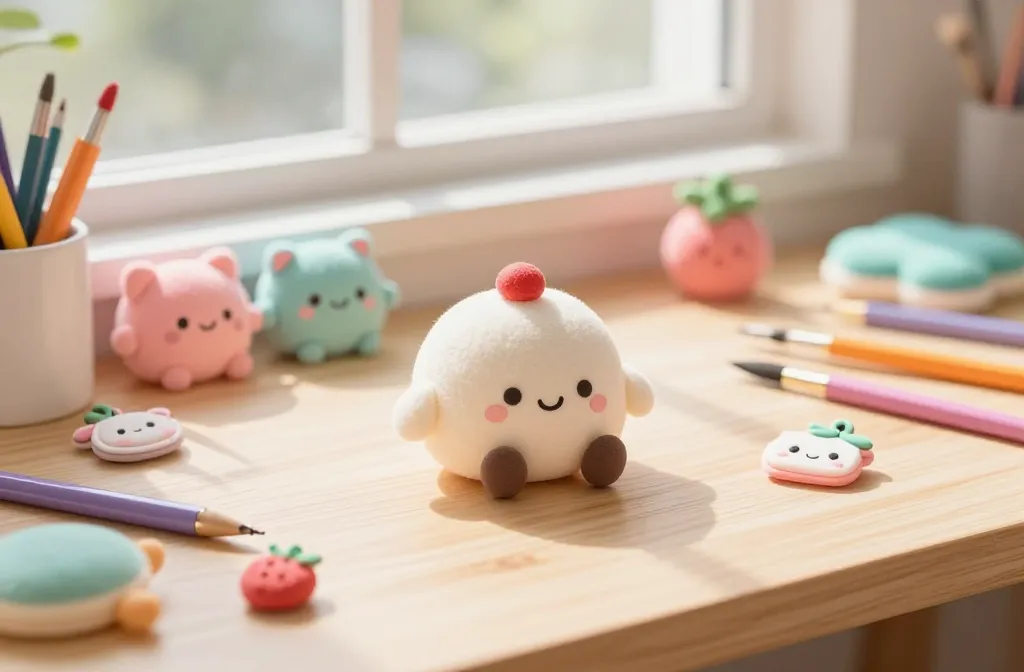
An ultra-cute guide to turning your obsession with kawaii into real cash. You’ll learn the basics fast, avoid rookie mistakes, and actually enjoy the process. Let’s get your craft shop buzzing and your workspace squeaky clean cute.
What does it mean to start a kawaii craft business?
Kawaii isn’t just about cute characters; it’s an entire vibe—soft colors, playful shapes, and products that spark joy. Start by defining your niche: plushies, polymer clay charms, stickers, or tiny felt accessories. Ask yourself: what do I love making, and who will buy it? If you can answer that in one-sentence, you’re off to a great start.
Finding your cute niche and style
Think of your style as your brand’s personality. Do you lean chibi, pastel goth, or retro cute? Your niche helps you stand out in a crowded market.
- Experiment with 3–5 product ideas and test which one resonates.
- Develop a signature color palette (think 2–3 main colors plus accents).
- Create a simple mood board to guide packaging, photos, and listings.
Subsection: Validating your ideas quick
Ask friends, post polls, or run a tiny preorder. If people bite, you’ve got signal. If not, tweak or pivot—no heartbreak required.
Pricing and profitability without the tears
Pricing is where many crafters crumble. You want to cover materials, labor, shipping, and a little profit. Start with the base cost per item, then add time-based labor values. Remember: cute sells, but you still need to pay your bills.
- Materials: track exactly what each item uses.
- Labor: estimate minutes or hours for production and packaging.
- Overhead: hosting, tools, and shipping supplies.
- Profit margin: aim for at least 40–60% on small items, more for high-demand pieces.
Subsection: Pricing psychology
$9.99 often performs better than $10. Consider tiered pricing for bundles to boost average order value. Also, include clearly stated shipping costs to avoid sticker shock.
Shop setup: where the magic happens
Your storefront should be easy to navigate and visually consistent. If you’re selling online, platforms like Etsy or Shopify work great for crafters. If you’re selling locally, think stalls, pop-ups, and markets.
- Brand visuals: logo, banner, photo style that matches your vibe.
- Product photography: bright, clean, and true-to-life. Include close-ups and scale references.
- Product descriptions: simple, cheerful, and scannable. Highlight materials and care tips.
Subsection: Packaging that makes buyers grin
Cute packaging adds a lot of value. Use tissue paper with pastel ribbons, tiny stickers, or a thank-you note. Even small touches multiply the perceived value and earn you repeat buyers.
Excelling at product photography and listings
Great photos sell products, especially in the kawaii world. Keep shots consistent: light background, natural light, and friendly angles. Show size references and variations, like color options or bundles.
- Use a simple backdrop and a few props that match your aesthetic.
- Capture multiple angles and a true color representation.
- In listings, clearly list materials, care instructions, and shipping times.
Subsection: Quick photo editing tips
If you don’t have fancy software, mobile editing apps can do wonders. Slight brightness tweaks, warm color balance, and a touch of saturation can make your items pop without looking fake.
Shipping, handling, and customer happiness
Happy customers return. Clear shipping policies and careful packaging win loyalty. Decide your shipping methods early and set expectations in your listings.
- Domestic vs international shipping options and costs.
- Tracking and insurance for fragile items.
- Processing times and rush orders policy.
Subsection: Handling fragile kawaii pieces
Use bubble wrap, sturdy mailers, and label “Fragile” clearly if needed. A quick note about how to care for items helps reduce returns.
Marketing that actually feels like you’re talking to a friend
Kawaii marketing is all about charm, not hard sells. Lean into storytelling, behind-the-scenes posts, and community engagement.
- Leverage social platforms with natural, frequent posting.
- Collaborate with other creators for cross-promotions.
- Run occasional giveaways to boost visibility and engagement.
Subsection: Your content calendar in 60 seconds
Plan a two-week rhythm: product highlights, work-in-progress posts, customer spotlights, and a weekly live Q&A. Consistency beats perfection.
Legalities, taxes, and keeping your mental sanity
Do not ignore the boring stuff. Register your business if needed, track sales for taxes, and keep receipts for materials. It’s not glamorous, but it’s necessary.
- Choose a simple business structure (like sole proprietor) to start.
- Keep clean records and a separate bank account for business money.
- Disclaimer: consult a tax pro if you’re unsure about deductions.
Subsection: Time management tips for busy makers
Batch create, set a daily or weekly production quota, and automate if possible. FYI, your future self will thank you.
How to scale without losing the kawaii soul
Scaling is about expanding thoughtfully, not exploding into chaos. Add a few new product lines, but keep your core aesthetic intact. Listen to your customers and let demand guide you.
- Introduce limited drops to create hype.
- Upgrade packaging or offer premium bundles.
- Automate repetitive tasks (inventory alerts, order consolidations) as you grow.
FAQ
What is the first product I should create for a kawaii craft business?
Start with a small, high-quality item you can produce consistently. A single signature product—like a charm or plush pin—helps customers remember you and gives you a clear production path.
How do I price my kawaii items for a beginner shop?
Calculate materials, labor, and overhead per item, then add a profit margin. Consider pricing psychology, such as charm pricing (ending in .99) and bundled offers to raise average order value.
What platform is best for starting a kawaii craft business?
Etsy is popular for handmade goods and has built-in craft-friendly features. Shopify works if you want full control over branding. You can also combine platforms to reach more buyers.
How can I protect my brand and designs?
Keep your most iconic designs trademarked if you can, or at least ensure you have clear usage rules for any collaborators. Watermarks on photos and careful listing copy help prevent misuse.
What should I do if sales are slow at first?
Revisit your niche, pricing, and photos. Get feedback from buyers, adjust your listings, and consider small marketing experiments. Stay consistent and patient—you’re building a brand, not a one-off mood board.
Conclusion
Starting a small kawaii craft business isn’t about chasing trends; it’s about sharing something delightful with the world and building a tiny, joyful empire around it. Stay true to your style, be smart about pricing, and treat customers like friends who support your habit (in the best possible way). FYI, consistency and story-driven content go a long way. So grab your glue gun, pick a pastel palette, and start turning those adorable ideas into something people actually want to buy. Your kawaii corner of the internet awaits.