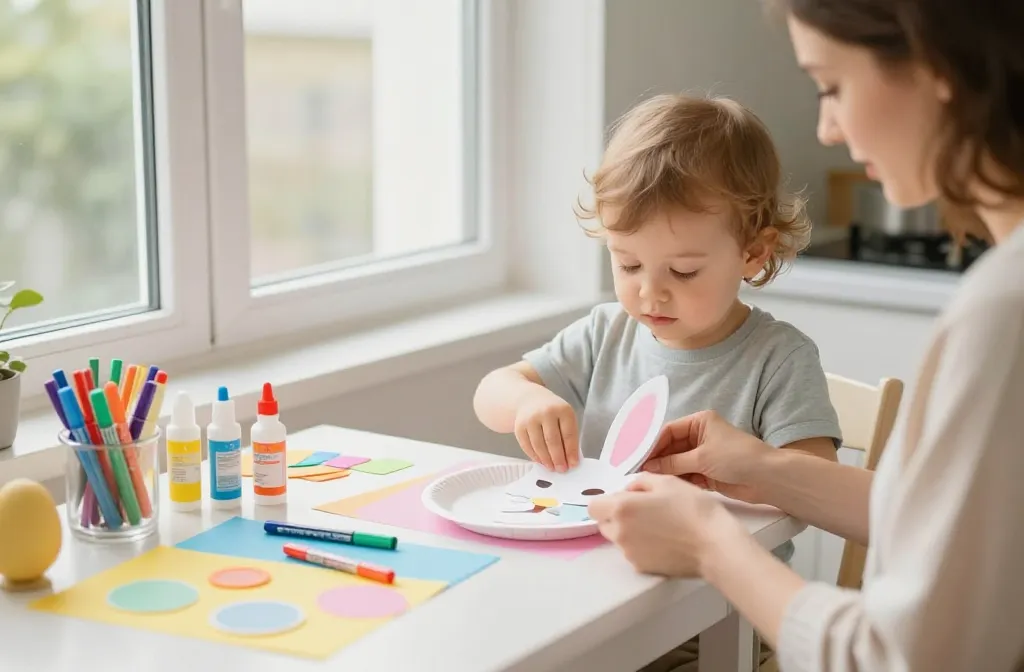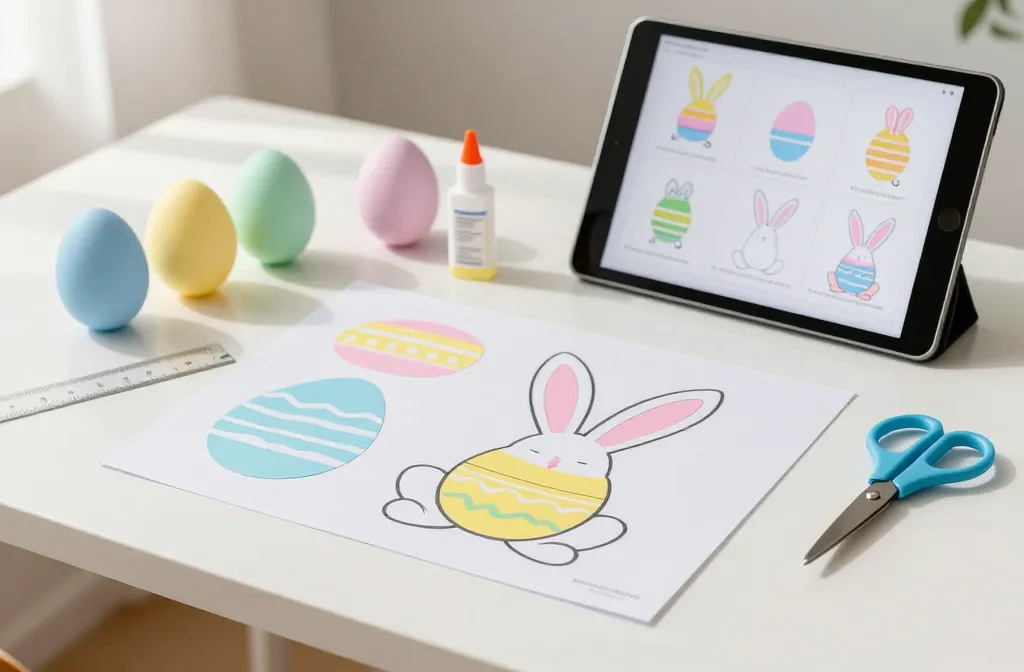
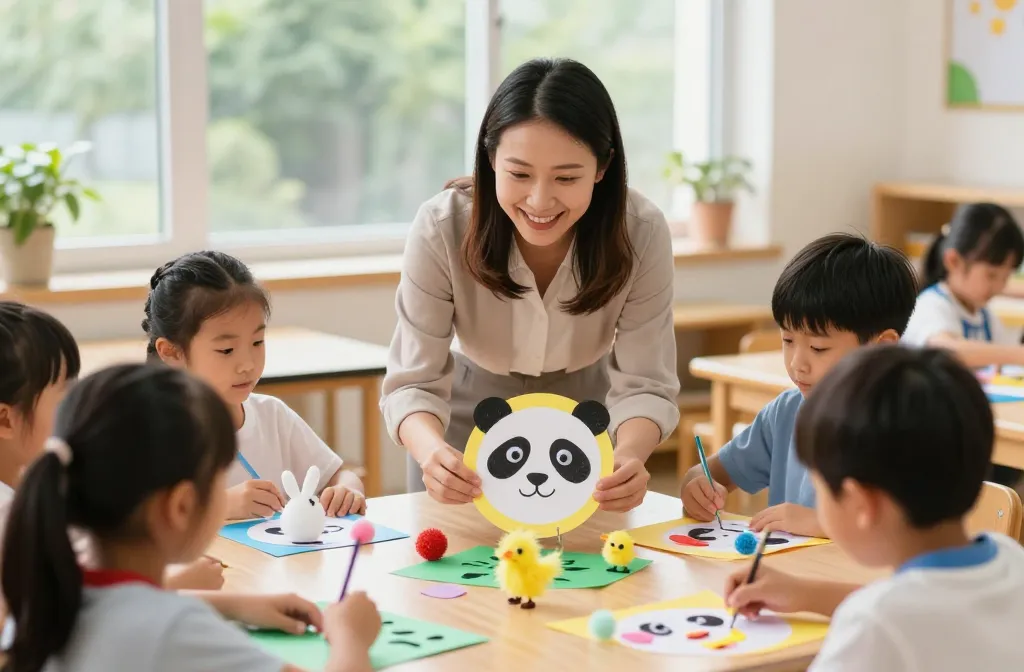
An excited buzz fills the classroom when the first birds chirp outside, and spring arrives with glitter, glue sticks, and tons of texture. If you’re hunting for animal-themed crafts that are easy, engaging, and a little goofy, you’ve landed in the right place. Let’s dive into projects that spark creativity, align with standards, and keep a giggle in the room.
Why Spring-Themed Animal Crafts Win in Class
Spring invites movement, color, and a sense that the world is waking up. Animal crafts tap into kids’ natural curiosity about wildlife, habitats, and patterns. They also sneak in essential skills—fine motor, following directions, and teamwork—without feeling like worksheets. FYI, these activities do more than fill time; they build confidence and curiosity.
Starter Projects: Quick Wins for Busy Days
- Paper Plate Pandas — A simple wipe-paint session creates black-and-white cheeks that kids adore. Add googly eyes, and you’ve got a panda that’s ready for a habitat diorama.
- Cotton Ball Rabbits — Fluffy tails? Yes, please. Use cotton balls, pink construction paper for ears, and a dab of glue to bring cuteness to life.
- Feathery Chick Magnets — Bright yellow chicks on magnets are perfect for the spring fridge display and a quick writing prompt about what makes spring special.
These starters set a playful tone, require minimal prep, and offer room for differentiation. Want more challenge? Add literacy prompts or science notes to the back of each craft card.
Tiered Activities: From Simple to Superior
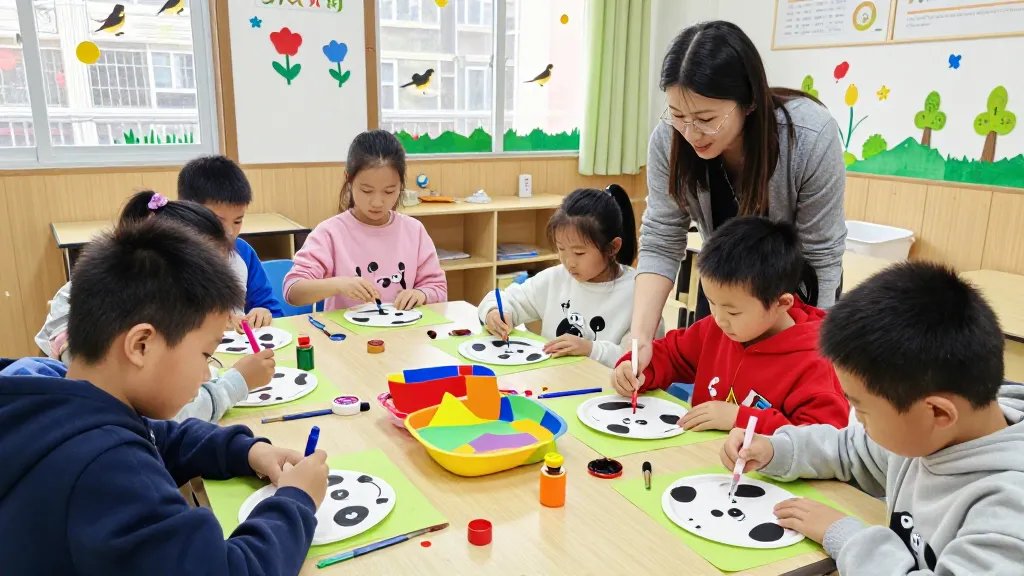
Different abilities in one class? No problem. Build a mini-circuit of activities so every kid finds a win.
1) Simple: Animal Masks
- Use cardstock, markers, and printable templates. Kids color, cut, and attach masks with elastic bands.
- Skill boost: hand-eye coordination, scissor control, and facial expression skills for dramatic storytelling.
2) Intermediate: Habitat Dioramas
- Provide shoe boxes, gravel, paper trees, and toy animals. Students label their habitats and include a short caption describing what the animal eats and where it lives.
- Skill boost: research, labeling, and spatial planning. IMO, this is where you see the big “aha.”
3) Advanced: Animal Pattern Quilt
- Kids create a fabric-inspired square featuring an animal pattern (dots, stripes, spots) using markers or colored paper. Assemble into a class quilt poster or actual fabric banner.
- Skill boost: pattern recognition, collaboration, and a dash of design thinking.
Hands-On Materials Guide: Keeping It Simple and Fun
- Recycled items: paper rolls, cardboard, and bottle caps prevent waste and spark ingenuity.
- Colorful basics: construction paper, markers, scissors (child-safe), glue sticks, and a splash of imagination.
- Textural extras: felt, fabric scraps, yarn, pom-poms, and googly eyes for personality and tactile delight.
Pro tip: pre-cut shapes can save precious minutes, but don’t over-plan. Leave room for spontaneous creativity—students often surprise you with their own twists.
Animal Craft Stations: How to Run a Smooth, Engaging Day
Stations keep energy up and boredom at bay. Rotate kids every 15–20 minutes so everyone explores multiple crafts without turning into chaos.
Station Ideas
- Forest Friends Corner — Make foxes, owls, and squirrels with mixed-media textures.
- Bird Bonanza — Create colorful birds using paper, straws for beaks, and feathers.
- Bug Parade — Use pipe cleaners, pom-poms, and googly eyes for cheerful critters.
Assessment, Sharing, and a Little Competition
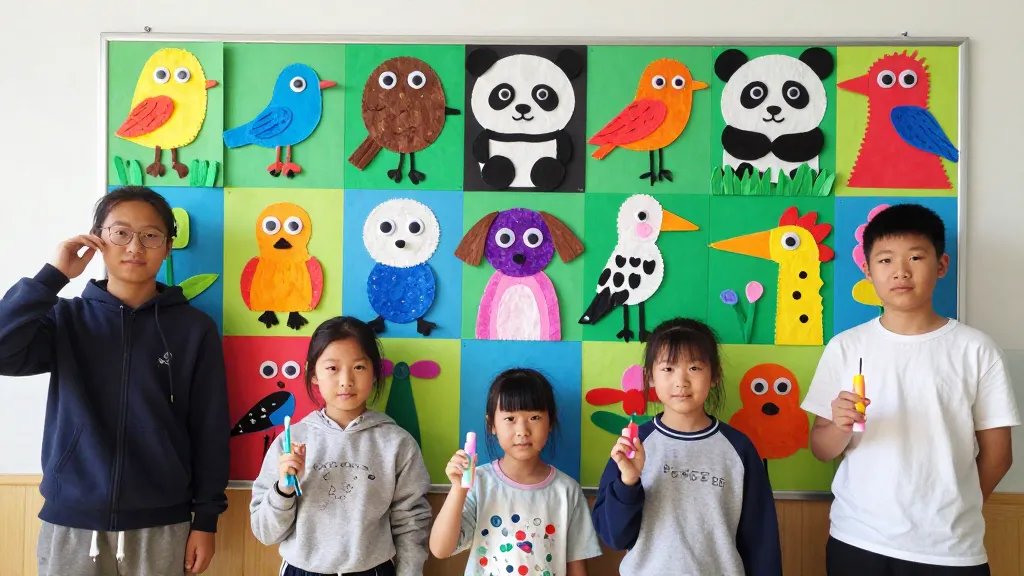
Assessment doesn’t have to be scary. Quick show-and-tell, a one-minute “gallery walk,” or a simple checklist works well.
- Gallery Walk: students explain their habitat or pattern and answer peers’ questions.
- Class Exhibition: display animals around the room; invite other classes for a mini open house.
- Friendly Ribbons: award playful categories like “Most Detailed,” “Best Use of Color,” or “Ultimate Cuddle Factor.”
Competitive vibes? Keep them light and inclusive. IMO, the goal is pride in work, not winning the prize bucket.
Cross-Curricular Tie-Ins: Make It Bigger Than Arts and Crafts
Spring animal crafts fit neatly with science, literacy, and even math. Here are a few ideas to level up:
- Science: Discuss habitats, diets, life cycles, and adaptation. Use a quick Fred-Facts card for each animal.
- Literacy: Create a short caption or story for each animal. Have students write a few sentences about where their animal lives and what it eats.
- Math: Measure lengths of tails, wingspans on a grid, or sort animals by size. Use a simple data chart to record results.
Accommodations and Differentiation: Everyone Can Create
Want to include students with diverse needs? Here are quick shifts that still feel exciting:
- Alternative tools: use pre-cut shapes and large-print templates for students who need them.
- Partner builds: pair a student who loves design with one who loves building to foster collaboration.
- Chunked instructions: break steps into 2–3 clear prompts. Check for understanding after each prompt.
FYI, a little extra time goes a long way. Don’t rush the magic of creating something with your own hands.
H3 Deep Dive: Sneaky Learning Moments
Texture Talk: How Materials Shape Perception
Experiment with how different textures change the feel of an animal craft. Do furry surfaces make the animal appear friendlier? Do slick materials create a sleek look? Let kids name what they notice and tie it back to the real animal’s fur or skin.
Color Clues: The Psychology of Color in Animals
Use this as a mini-lesson: color choices often signal mood or adaptation. A bright parrot can be about visibility, while a tiger’s stripes break up its outline. Have students defend their color choices in a quick, friendly critique session.
FAQ: Quick Answers to Common Questions
What supplies are essential for spring animal crafts?
Start with cardboard, construction paper, glue sticks, scissors (kid-safe), markers, and a few wobble-free accents like googly eyes. Add a sprinkle of recyclable items for eco-friendly fun. FYI, you don’t need every fancy tool—simple materials spark big creativity.
How do I manage a multi-aged classroom with these crafts?
Offer tiered templates and optional challenges. Pair younger kids with older buddies for mentorship. A clear station rotation schedule keeps everyone on track and reduces chaos.
How can I connect crafts to science standards?
Link each craft to habitats, life cycles, or animal adaptations. Have students record a habitat card or life cycle step as part of the craft process. This turns art into authentic science practice without turning the room into a lab.
What if some kids finish early and feel bored?
Provide extension prompts: design an animal’s shelter, write a short diary entry from the animal’s perspective, or create a two-panel storyboard showing a day in its life. Early finishers stay productive and engaged.
How can I assess learning without heavy grading?
Use quick rubrics focused on process skills: following directions, creativity, collaboration, and accuracy of labels. A brief oral reflection after a project also reveals what stuck and what didn’t.
Conclusion: Spring Craft Joy in One Flywheel
Spring animal crafts aren’t just pretty projects; they’re gateways to exploration, language, and scientific thinking. When you blend simple materials with a dash of curiosity, kids leave with pride—and a few new animal facts they’ll brag about for weeks. So grab those paints, set up a station, and watch the classroom spring to life with personality and paws, beaks, and tails wagging in every corner.