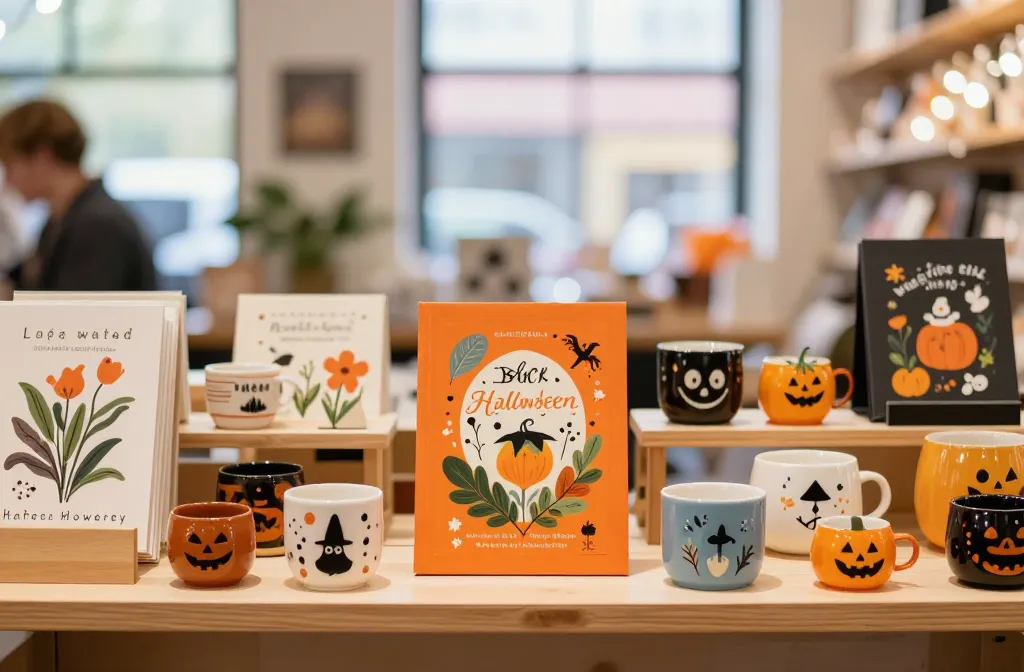
An ice-cold cold open: you set up your season, you stock your table, and you pray the customers show up. Let’s fix that. This article digs into practical, friendly steps to sell seasonal crafts successfully without burning out or breaking the bank. FYI, you’ve got this.
Know Your Season, Know Your Audience
If you want to sell seasonal crafts, start with the season in your bones. Who buys during Halloween, Christmas, or spring fairs? Answer that question honestly, and you’ll avoid shouting into the void.
– Do a quick shopper profile: age range, interests, and who buys gifts versus who buys for themselves.
– Identify peak shopping times: Fridays after work, weekends, craft fairs, and online launches.
– Tailor your product mix: a few big-ticket items, several smaller, affordable pieces, and a bold centerpiece.
Product Fit and Timing
Seasonality isn’t just about colors. It’s about timing and relevance. If your craft suits a holiday, value the lead time and production pace. Do you have enough stock for early shoppers? Can you restock mid-season if demand spikes?
Pricing Like a Pro (Without Losing Your Soul)
Pricing is a spiritual journey and a math problem at the same time. You want profit, but you don’t want to scare away buyers with sticker shock.
– Start with costs: materials, tools, packaging, booth fees, and your time.
– Add a fair margin: 2–3x cost is common for handmade items, but seasonal novelty pieces can justify higher premiums.
– tiered pricing: offer a few premium pieces, several mid-range items, and budget options to widen your audience.
Bundling and Limited Editions
People love exclusivity, especially during holidays. Create limited editions or bundles like “Winter Wonderland Bundle” or “Halloween Party Set.” It pushes higher-ticket sales and gives customers a reason to buy now.
Crafting a Standout Display (That Won’t Break Your Back)
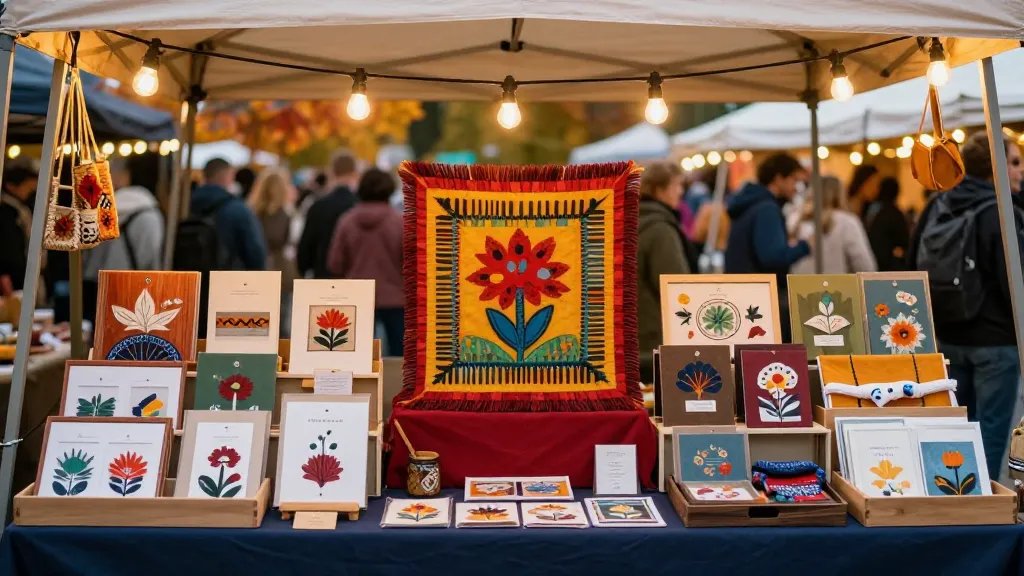
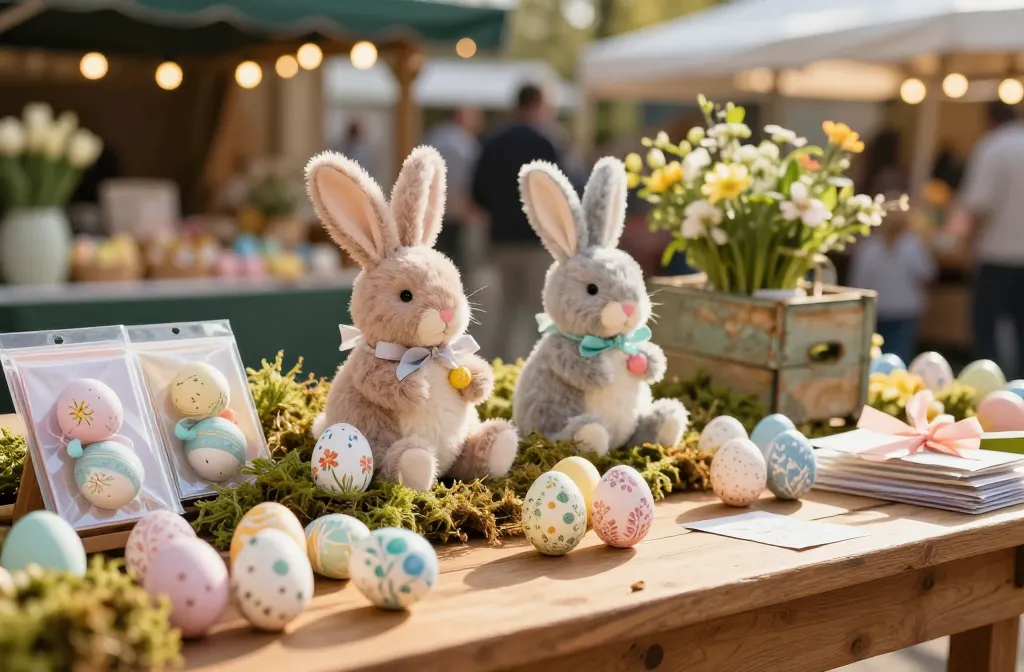
Your table is your storefront, even if you’re online. First impressions matter more than you think.
– Visual pyramid: place your bestsellers at eye level; cheaper items on the sides.
– Lighting and color: warm light helps crafts feel cozy and inviting.
– Signage that sells: short, bold messages like “Handmade, Limited Edition” or “Gifts Under $25.”
– Touch-friendly layouts: let people pick things up to feel the texture and quality.
Display and Packaging Quick Wins
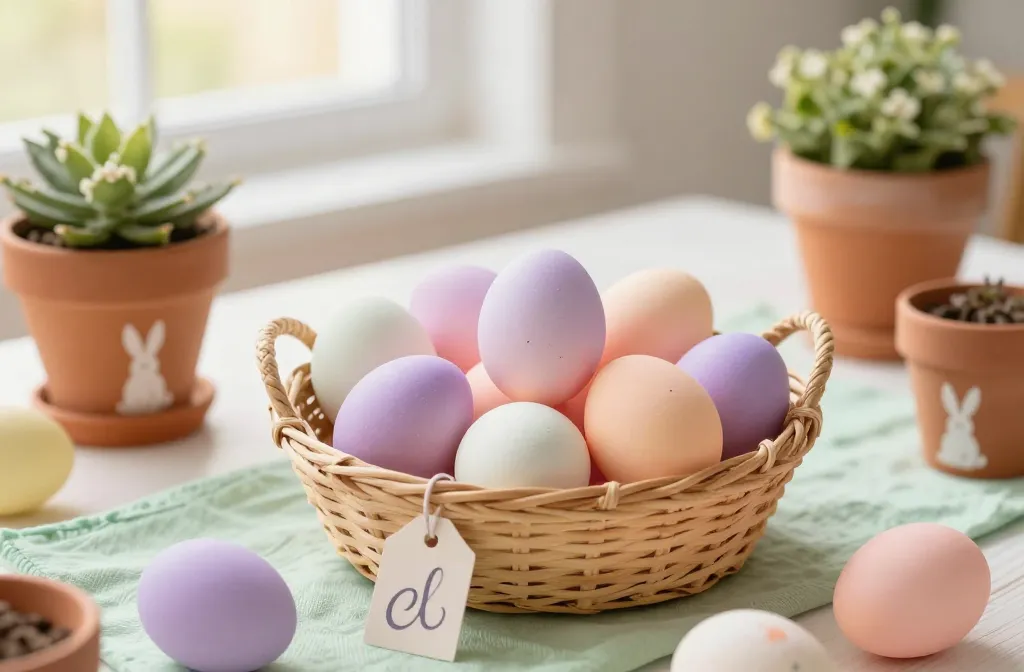
Beautiful packaging adds value. Use simple tags with care instructions, upcycled packaging, and easy-to-open wraps. A small business card tucked into each bag makes future purchases feel personal.
Storytelling That Sells
People buy stories as much as they buy crafts. Your background, your process, and the little quirks of your pieces give them a reason to choose you over a generic alternative.
– Share origin stories: what inspired this piece and what it means.
– Behind-the-scenes glimpses: quick videos or photos of you crafting.
– Customer-focused copy: focus on how your piece makes life nicer, not just what it is.
Social Proof and Trust
Ask satisfied customers for quick testimonials or photos with their pieces. Display them proudly. If you’re online, gather reviews and incorporate user-generated content into your product pages.
Marketing on a Shoestring (Because Budget Matters)
You don’t need a huge budget to reach shoppers. You need smart, consistent effort.
– Email or SMS list: collect emails at every event and offer a first-purchase discount.
– Social peeks: post short, friendly clips of you making the crafts or unboxing a new item.
– Collaborations: partner with local shops, cafés, or makers for cross-promotion.
Seasonal Launch Timelines
Plan in three phases: pre-launch (tease), launch (offer a deal), sustain (restock and diversify). FYI, spaced posts work better than one giant blast.
Sales Channels That Actually Convert
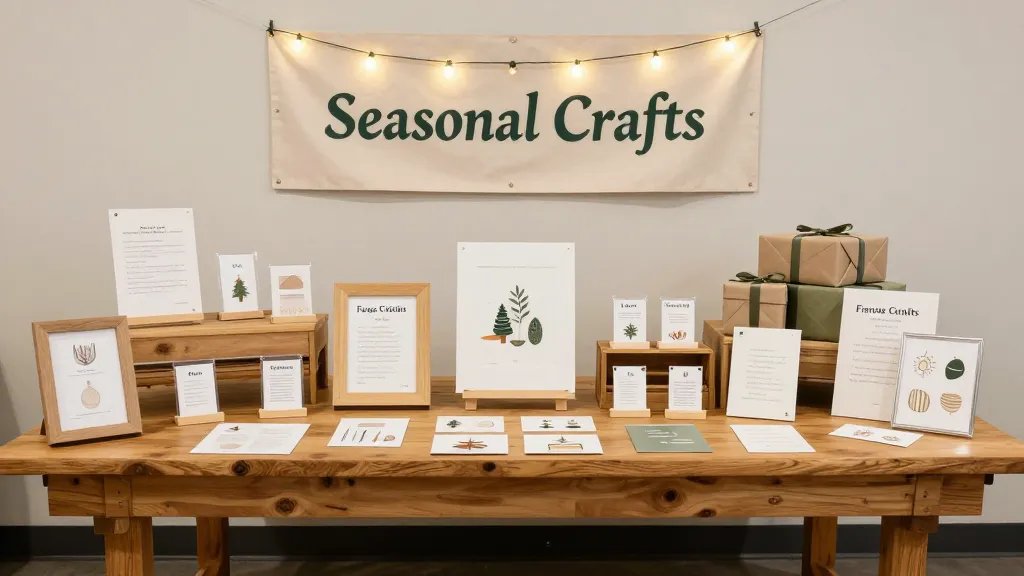
Discounts are great, but they’re not everything. A mix of channels increases exposure and sales resilience.
– Pop-up markets and fairs: ideal for immediate cash flow and feedback.
– Local shops: consignment or wholesale can bring steady revenue.
– Online store: simple storefronts with clear shipping rules. Add a “limited edition” countdown banner to push urgency.
– Market-ready kits: sell DIY kits so customers can recreate the magic at home.
Online vs Offline Nuances
Online sales shine with wide reach and 24/7 availability; offline events win with immediacy and personal connection. Use a hybrid approach: online tease before a market, then live upsell.
Customer Experience That Keeps People Returning
A repeat customer is cheaper than finding a new one. Make every interaction feel like you truly care.
– Fast responses: reply to questions within a few hours if possible.
– Clear policies: shipping times, returns, and customization options should be transparent.
– Personal touches: handwritten notes, customization options, or a small freebie.
Customization as a Service
Offer personalized touches like color tweaks, monograms, or themed additions. People love feeling the piece is “theirs.”
Operational Hacks for Smooth Seasonal Runs
Seasonal selling has its own rhythm. Nail the logistics and you’ll focus on what you enjoy—crafting.
– Inventory planning: estimate demand, schedule production, and consider safety stock.
– Time management: batch similar tasks to avoid context switching.
– Packaging efficiency: pre-cut labels, ready-to-ship boxes, and simplified packing lists.
Stock, Reorder, Repeat
Track what sells and what sits. Use a simple log to note best-sellers by season and plan restocks or new designs accordingly.
FAQ
Q: How many pieces should I have for a seasonal market?
A: Start with a core set of 15–25 items that cover a range of prices. Add a few showpieces that draw people in and tell a story. If a piece sells out, offer a restock or a limited variant to keep momentum.
Q: How do I price holiday-themed crafts without scaring buyers away?
A: Price based on materials and time, then test tiers. Offer a few lower-priced items and a couple premium pieces. Highlight the value and uniqueness—people pay for craftsmanship and story, not just the object.
Q: Is it worth offering customization for seasonal items?
A: Yes, if it scales. Quick color changes or initials can dramatically boost perceived value. Set clear turnaround times and pricing for customization.
Q: How can I attract customers online if I’m mostly local?
A: Use local SEO, showcase behind-the-scenes content, and offer “local pickup” options. Run a small online promo tied to a nearby event or market to drive traffic.
Q: What’s a simple way to reduce setup stress for markets?
A: Create a repeatable booth setup checklist, prep inventory a day before, and pack a “grab-and-go” kit with tape, scissors, tags, and cards. The less you juggle, the more you sell.
Conclusion
Selling seasonal crafts isn’t a magic trick; it’s smart planning, friendly storytelling, and consistent presence. Start with knowing your season and audience, price with soul, and display with purpose. Build a little momentum at markets, translate it online, and watch repeat buyers pile up. You’ve got the skills—time to turn seasonal magic into steady sales.