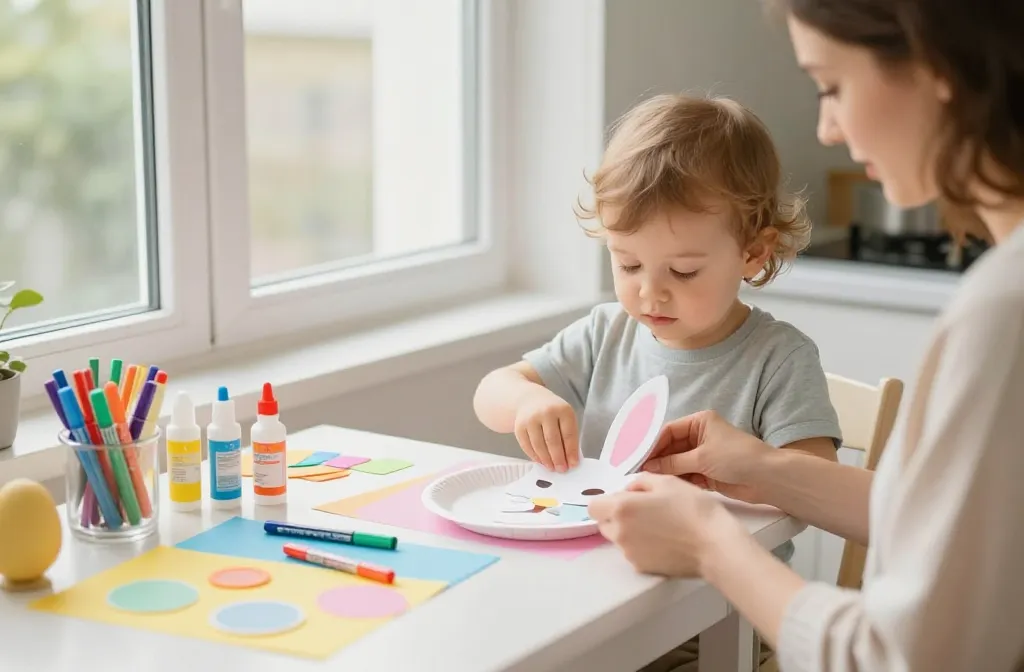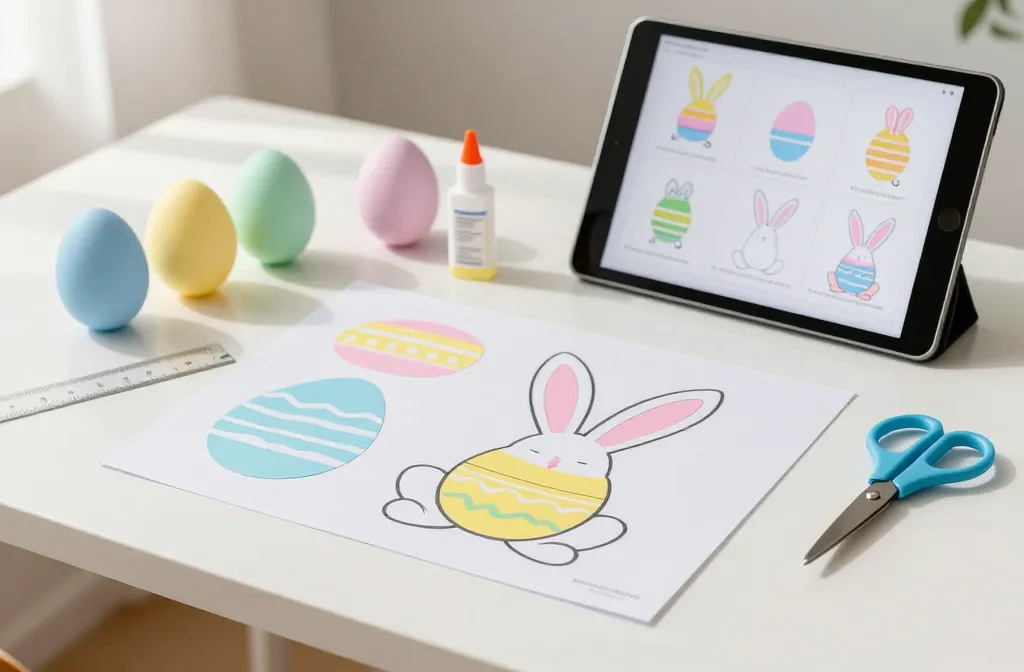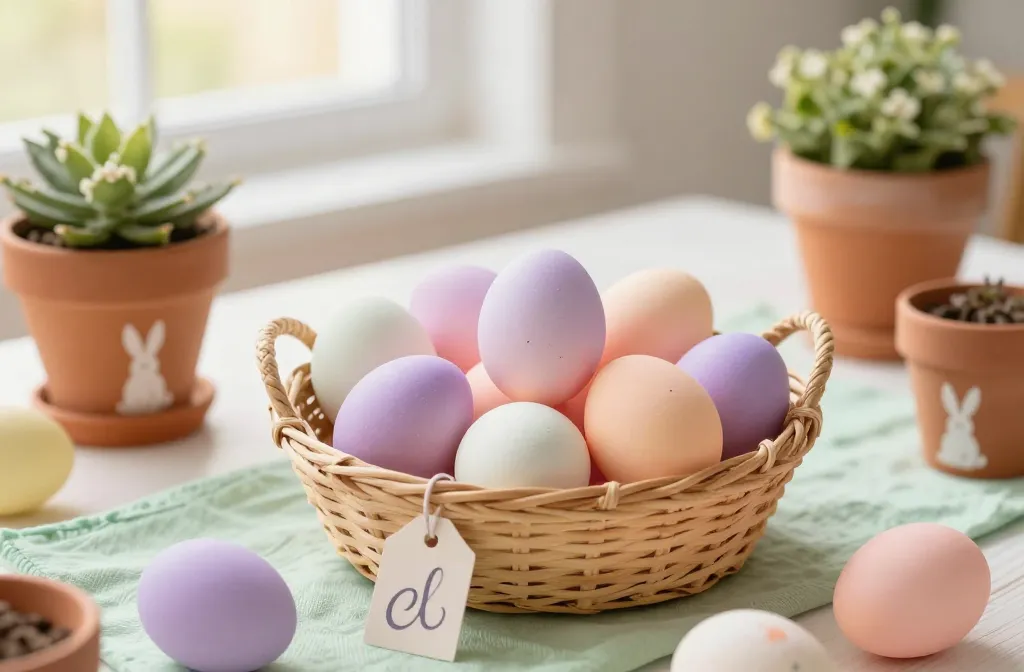
Want to turn your Easter crafts into real cash without losing your soul or your sanity? Let’s break down how to price handmade decorations so customers say “sold!” not “meh.” Spoiler: it’s not just about ticking a box on the price tag.
Your Mission: Understand True Cost
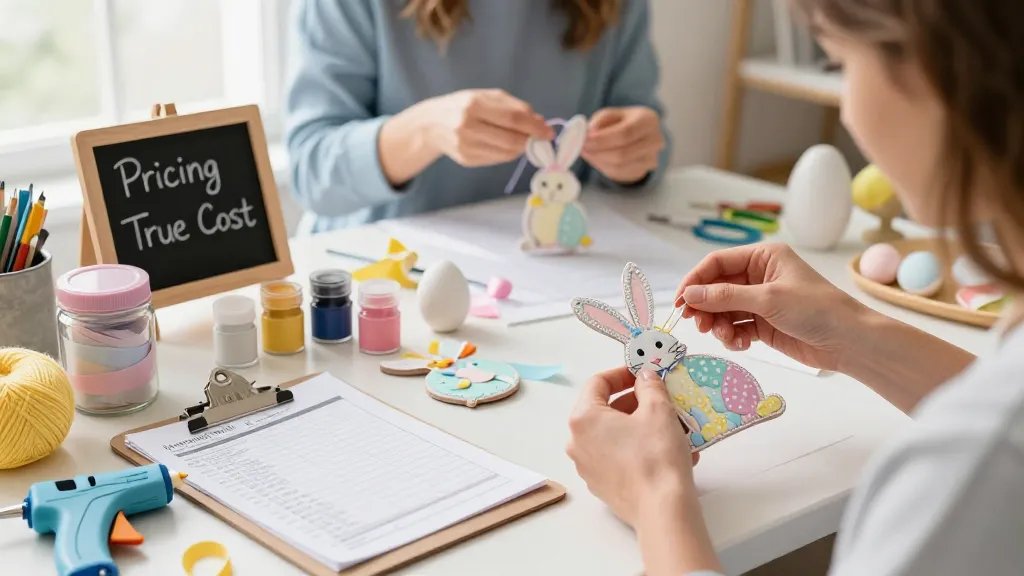
Pricing starts long before you stitch, glaze, or glitter. It begins with recognizing every cost that goes into a finished piece. Do you track your time, materials, and shipping? If not, you’re guessing, and guessing rarely pays off. FYI, accurate pricing equals healthier margins and less late-night panic.
Direct costs vs. overhead
- Direct costs: yarn, clay, paint, ribbons, glue, and any special tools you buy for a single piece.
- Overhead: a sliver of electricity, studio space, tools that last forever, and hellos to the neighbor’s cat that keep your lights on and your mood sunny.
Time is money (and cute)
Count every minute you spend. Sketching, drying, curing, photographing, packing, and shipping—it all adds up. If you don’t value your time, don’t be surprised when your favorite project turns into a money pit that leaves you exhausted.
Pricing Methods That Actually Work
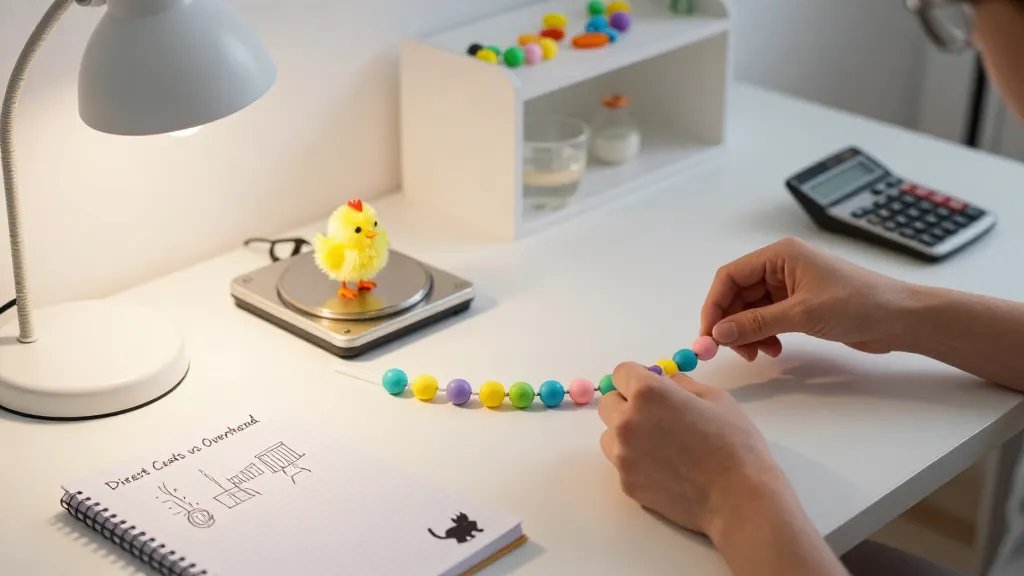
Choose a method you’ll actually stick with. It’s not about being fancy; it’s about being consistent and clear. Let’s look at two solid approaches you can mix and match.
Cost-plus pricing
Start with a solid cost calculation and slap a sensible markup on it. A common rule is to multiply total cost by 2.0–2.5. If your piece costs $8 in materials and time, a $16–$20 price tag isn’t outrageous—if your market agrees.
Value-based pricing
What is your piece worth to a buyer? If your Easter decorations are unique, whimsical, or handmade with a story, people will pay more for that emotional value. This requires knowing your audience and explaining the story behind the piece in your listing.
Positioning Through Story and Craft Quality
Boring price tags don’t sell—stories do. Your pricing should reflect not just the hours and materials, but the charm and personality of your creations. People will pay for personality if you clearly communicate it.
Product storytelling that boosts perceived value
- Share the process: handmade, small-batch, or upcycled materials.
- Highlight the finish: hand-painted details, sealed for durability, or eco-friendly choices.
- Explain the impact: a single decoration that brightens a table and sparks conversations.
<h2 Tiered Offerings: Make It Easy for Shoppers to Say Yes
Not every customer wants the same thing. Create tiers to capture different budgets and needs. It’s like giving your buyers a menu instead of a single mystery dish.
Starter, Classic, and Deluxe lines
- Starter: smaller pieces, fewer materials, quick turnaround.
- Classic: mid-range, a balanced mix of craft and charm.
- Deluxe: premium finishes, larger sizes, unique embellishments.
Bundle deals and add-ons
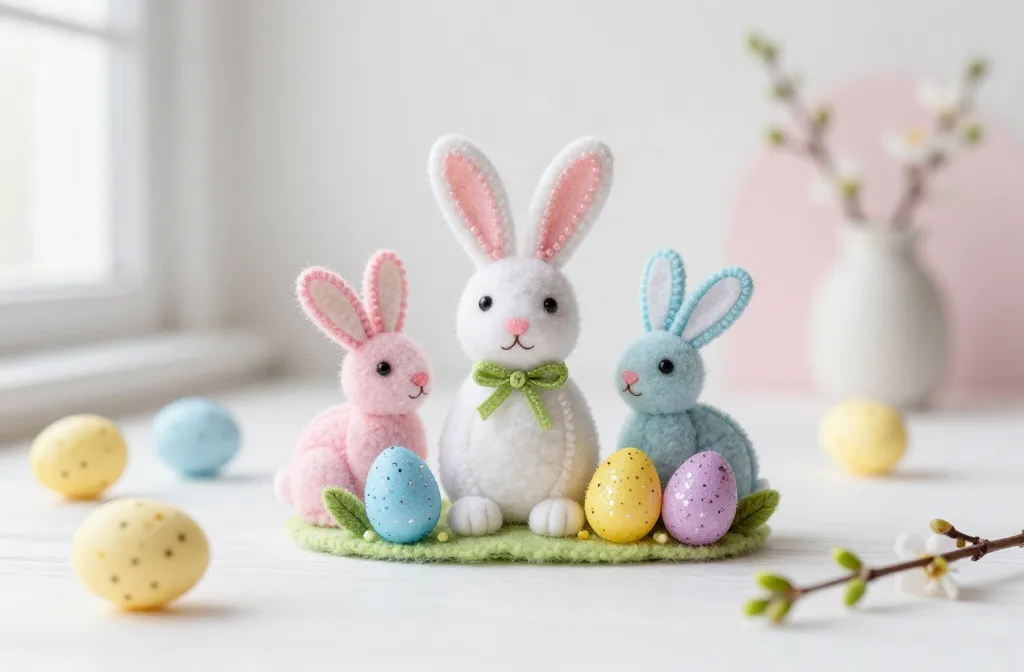
Offer sets (e.g., a trio of Easter bunnies or an Easter table centerpiece) with a small discount. Add-ons like gift wrapping or personalized messages can justify a higher price and boost perceived value.
<h2 Packaging, Shipping, and Handling: The Hidden Profit Leaks
People love their packages arriving in one piece and looking cute. Get realistic about packaging costs and shipping fees. Undercharging here is a recipe for regret.
Smart packaging choices
- Use sturdy boxes, tissue paper, and a touch of ribbon for presentation.
- Include a short care card to reduce returns and complaints.
- Branding elements—sticker, seal, or a handwritten note—boost perceived value.
Shipping strategies that protect margins
- Offer flat-rate shipping for domestic orders to simplify checkout.
- Offer free shipping above a threshold to increase order value.
- Consider insurance for fragile items; factor it into the price when necessary.
<h2 DIY vs. Outsourcing: What Can You Be Realistic About?
Sometimes we dream of outsourcing but reality checks in hard. Be honest about what you can keep handmade without sacrificing quality and joy.
What to outsource (and what not to)
- <strongOutsource: repetitive tasks like gluing many identical pieces, or sourcing bulk materials at lower costs.
- Keep handmade: unique or highly detailed elements that define your brand.
<h2 Confidence Boost: Pricing Experiments That Don’t Break the Bank
Pricing should be dynamic, not set in stone. Do small tests, compare, and adjust. No shame in iterating until you land on a sweet spot that feels right and sells consistently.
Simple experiments you can run
- Try a slight price raise on the Deluxe line for a month to test demand changes.
- Publish a limited edition with a higher price to gauge appeal and collect feedback.
- Offer a time-limited discount to boost visibility and collect data on purchasing behavior.
<h2 FAQs
How should I price a single-piece item?
Calculate direct costs, add a fair hourly rate for your time, and tack on overhead. Then apply a multiple that fits your market. If you’re unsure, start with a cost-plus approach and adjust as you learn what buyers are willing to pay.
Is free shipping worth it for handmade Easter decorations?
Free shipping can boost conversions, but only if you bake the cost into the price. Consider a threshold or a slightly higher base price to cover your shipping expenses while keeping the checkout simple for customers.
How do I communicate value without sounding pretentious?
Share the behind-the-scenes story in clear, friendly language. Describe the materials, the time spent, and the care that goes into each piece. People love a good origin story when it feels authentic.
What if I misprice something and it sells poorly?
Learn from it. Review the cost breakdown, market feedback, and listing clarity. Adjust the price, your photos, or the description, and relaunch with a fresher angle.
Should I offer refunds or exchanges for handmade items?
Offer reasonable policies that protect both you and your customers. A clear policy reduces disputes and keeps buyers confident in future purchases.
Conclusion
Pricing handmade Easter decorations isn’t about hitting a magic number—it’s about honesty with your costs, clarity in your value, and a little strategic flair. Start with real numbers, test your instincts, and tell your story boldly. FYI, steady tweaks beat big overhauls any day. You’ve got this, and your shop will thank you for it.