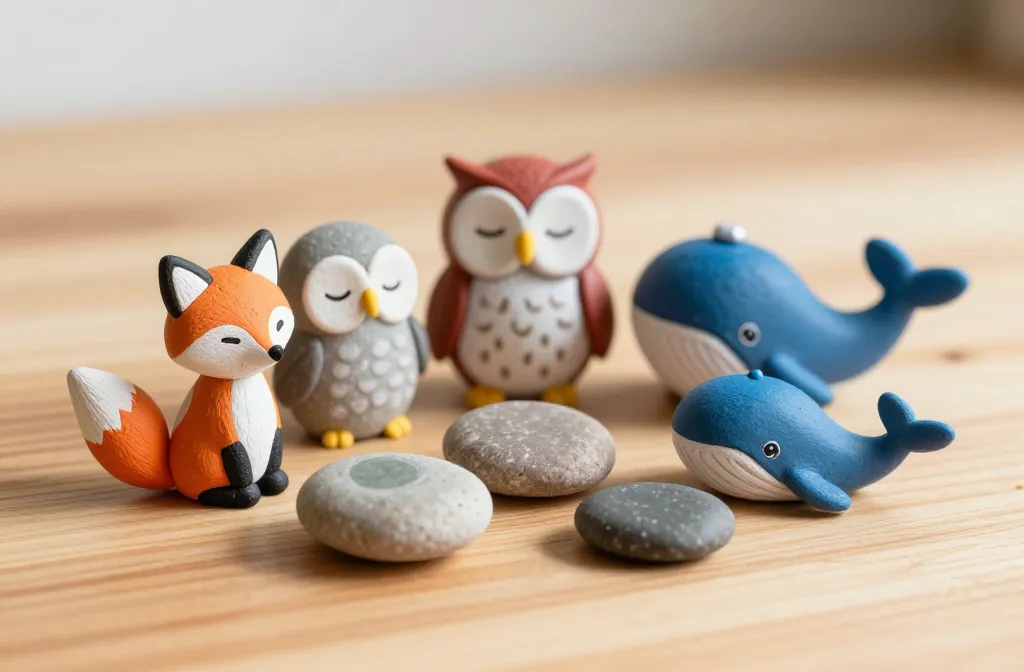
An unlikely art form has taken over yards, desks, and riversides: painted pebble animals. People aren’t just skipping stones; they’re turning them into tiny, adorable creatures with personality. Ready to get your hands dirty (in a cute, non-muddy way)? Let’s dive into why these little stones spark joy and how you can start your own collection.
Why Painted Pebble Animals Captivate People
Pebble art isn’t new, but it’s thriving online because it’s accessible, low-stakes, and incredibly shareable. A pebble with a goofy smile can brighten a hallway, while a realistic fox perched on a bookshelf can feel like a tiny sculpture. FYI, the best part is the personal touch—each pebble carries a story.
Accessibility That Sparks Creativity
– You only need a handful of supplies: smooth stones, acrylic paints, brushes, and a sealant.
– No formal art training required; beginners can still create something charming.
– Repainting or reusing pebbles is totally fine, so experimentation is part of the fun.
Choosing the Right Pebbles
What makes a pebble perfect for painting? Shape, size, and texture all matter. Look for stones with a flat face for easy portraiture and a smooth surface for clean lines. Textured pebbles can add character if you lean into a stylized look.
Where to Find Your Palette
– Local rivers and beaches often yield smooth, weathered stones.
– Craft stores and online marketplaces stock pebble packs specifically for painting.
– DIY option: collect fragments of pottery or bottle caps to create mixed-media mini-sculptures.
Simple Steps to Start Your Pebble Zoo
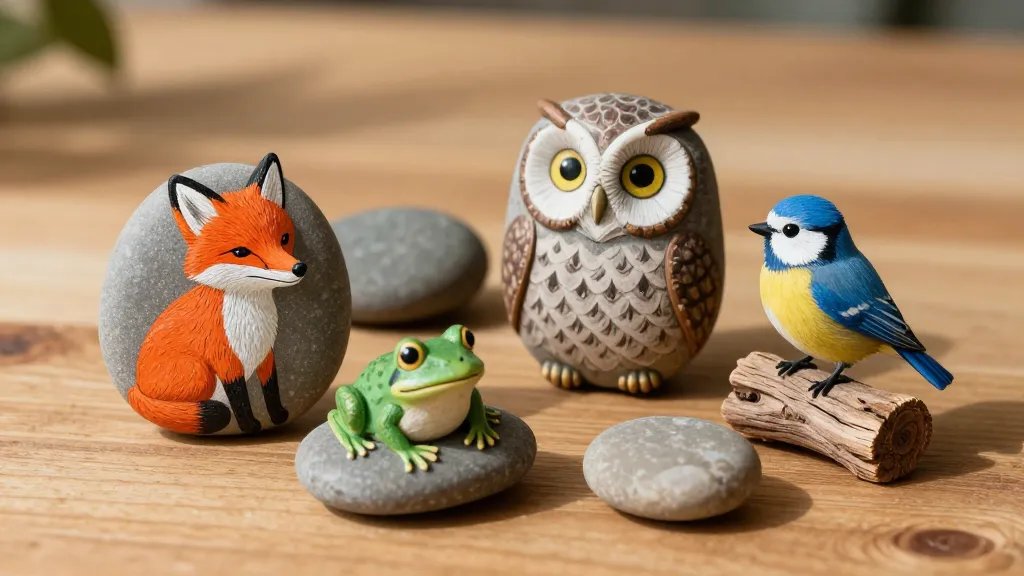
The beauty of pebble animals is in the process as much as the result. You’ll go from blank stone to a lively critter in a few easy steps.
- Clean the pebble with soap and water; let it dry completely.
- Sketch a light guide with pencil or a faint marker.
- Base coat the entire pebble to set a clean background.
- Add features, shading, and personality with layers of acrylic paints.
- Seal the finished piece with a clear matte or glossy finish to protect it.
Character Design: How to Make Them Memorable
Characters aren’t just cute faces; they tell a story. A simple penguin with a scarf feels warm; a fox with oversized glasses says “bookish and sly.” The trick is to focus on a few signature features that pop.
Big Eyes, Small Details
– Eyes are the first thing people notice. Make them expressive with a tiny white highlight.
– Add a tiny mouth or whiskers to convey mood without overloading the face.
Color Palettes That Read as Whimsical
– Soft pastels create a gentle vibe.
– Bold, saturated colors give a playful punch.
– Monochrome with a pop color can look surprisingly chic.
Styling Your Pebble Friends for Display
Where you place your painted critters changes how they’re perceived. A row on a bookshelf? A tiny garden on a windowsill? The options are almost endless.
Display Ideas
– Create a mini forest on a tray: a fox, a hedgehog, and a bird perched among faux moss.
– Use as paperweights that actually spark joy during long work-from-home days.
– Gift a set to friends as “pet rocks” that aren’t needy and never shed.
Maintaining Your Pebble Collection
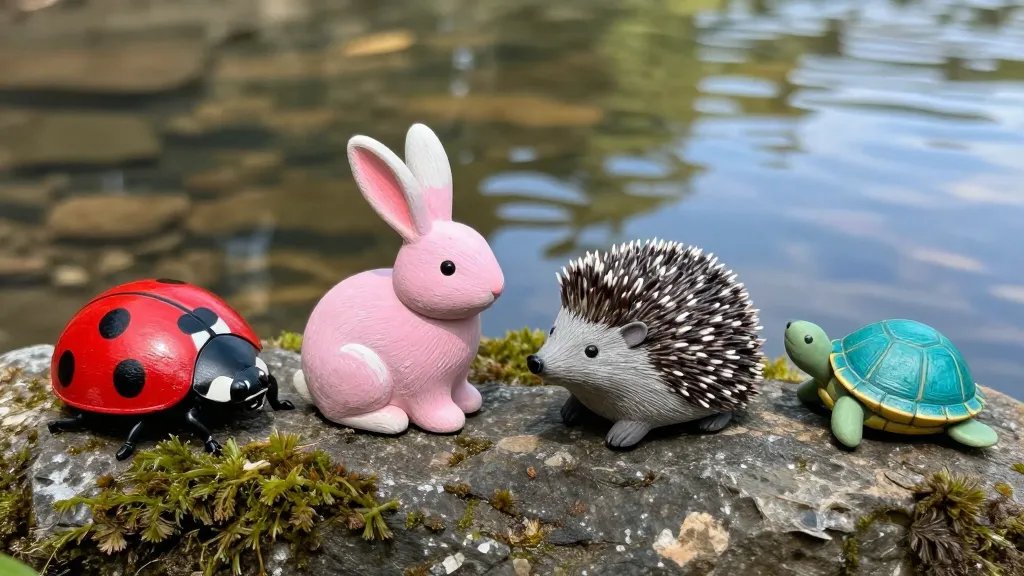
Keeping colors bright and surfaces smooth is easier than you think. A little maintenance goes a long way, especially if you handle the stones a lot.
Care Tips
– Avoid direct sunlight for extended periods to prevent fading.
– Reapply sealant if you notice chipping or dullness over time.
– Wash with a mild soap and water when dusty; dry thoroughly before sealing again.
From Hobby to Community: Sharing Your Pebble Art
Painted pebble animals shine brightest when shared. The online world loves a good DIY story, and your experiments can inspire others to pick up a brush.
Online Ways to Shine
– Post progress photos: before, during, and finished pieces capture the creative journey.
– Write a caption about your pebble’s personality—people love a little backstory.
– Join local maker groups or art clubs to swap tips and pebbles.
FAQ
What paints work best for pebble painting?
Acrylic paints are the easiest to work with on stone because they dry quickly and stay vibrant. For tiny details, use a fine-tipped brush or a toothpick. Sealant is essential to protect your artwork and prevent chipping.
Do I need special brushes or tools?
Basic brushes will do, but it helps to have a few fine-tipped ones for details and a bigger flat brush for background colors. Q-tips are great for neat little corrections or tiny highlights.
How long does a pebble painting take?
It varies. A quick, cute character may take 30 minutes to an hour; more elaborate pieces with shading and textures could stretch to a couple of hours. Take breaks—your eyes will thank you.
Can I seal the stones with something flexible for outdoors?
Yes, but choose a sealant rated for outdoor use if you plan to display them outside. Outdoor sealants resist weather and UV fading better than indoor-only options.
Are these suitable for kids to make?
Absolutely. With supervision, kids can learn color mixing, planning, and patience. It’s a fantastic, mess-friendly craft that yields tangible, shareable results.
Conclusion
Painted pebble animals are the friendly, low-stakes art project that somehow manages to brighten rooms and feeds. They’re approachable, endlessly customizable, and oddly therapeutic. If you’re craving a small, satisfying creative outlet with big personality, give pebble painting a try. FYI, once you start, you’ll find yourself spotting potential subjects everywhere—on sidewalks, in parks, even in your own garden. So grab a few stones, unleash your imagination, and start your own glossy, goofy zoo of painted pals.