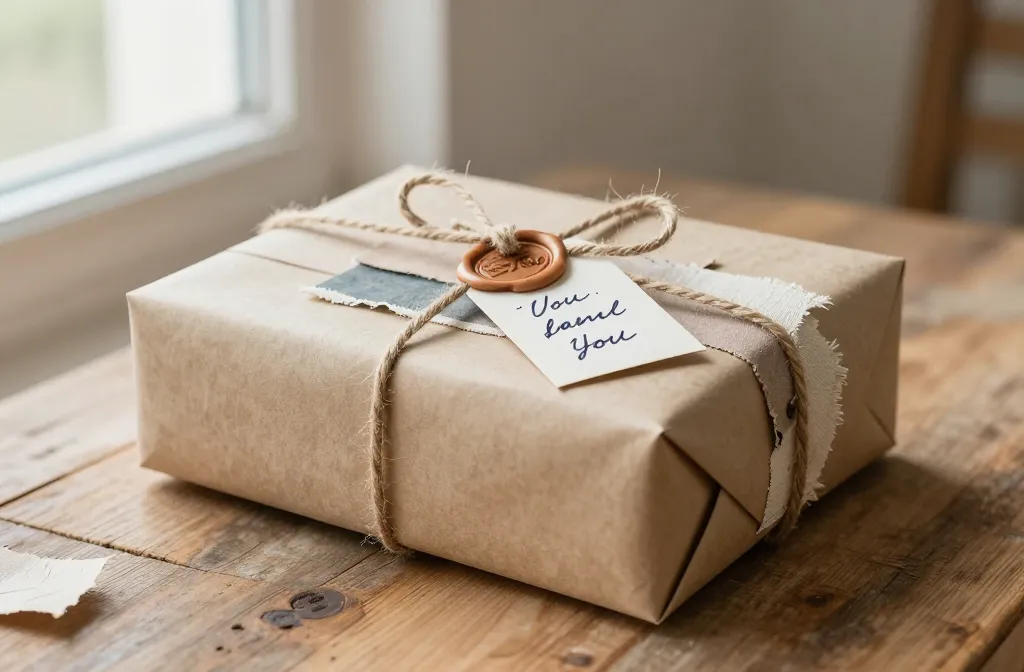
An eye-catching package can make your handmade goodies unforgettable. It’s not just about protecting the piece—it’s about the first hug your gift gives before the recipient opens it. Let’s dive into playful, practical ideas that elevate every handmade masterpiece.
Why Packaging Matters More Than You Think
You pour heart and soul into your craft, so why skimp on the presentation? Packaging is part of the story, a sneak peek of the care inside. A thoughtful wrap can turn a simple jar of jam into a keepsake and a late-night project into a memorable unboxing moment. FYI, people will share a well-packaged item online, giving you free word-of-mouth vibes.
Playing With Materials: What You Have On Hand
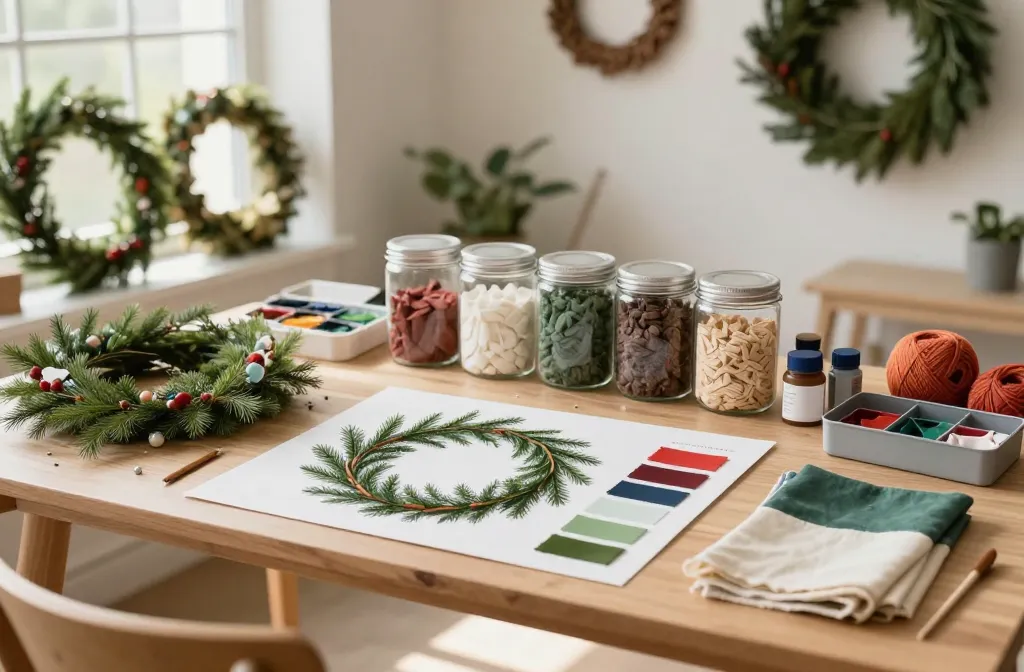
You don’t need to break the bank to look like a pro. Start with what you’ve got:
- Recycled paper and tissue add texture and eco-cred.
- Old fabric scraps become chic wrap or bags.
- Printed cardboard from packaging inserts can form stylish gift tags.
Tip: mix textures for a boutique feel without a boutique budget. Ask yourself: would I be thrilled to unwrap this?
DIY Wrapping That Sparks Joy
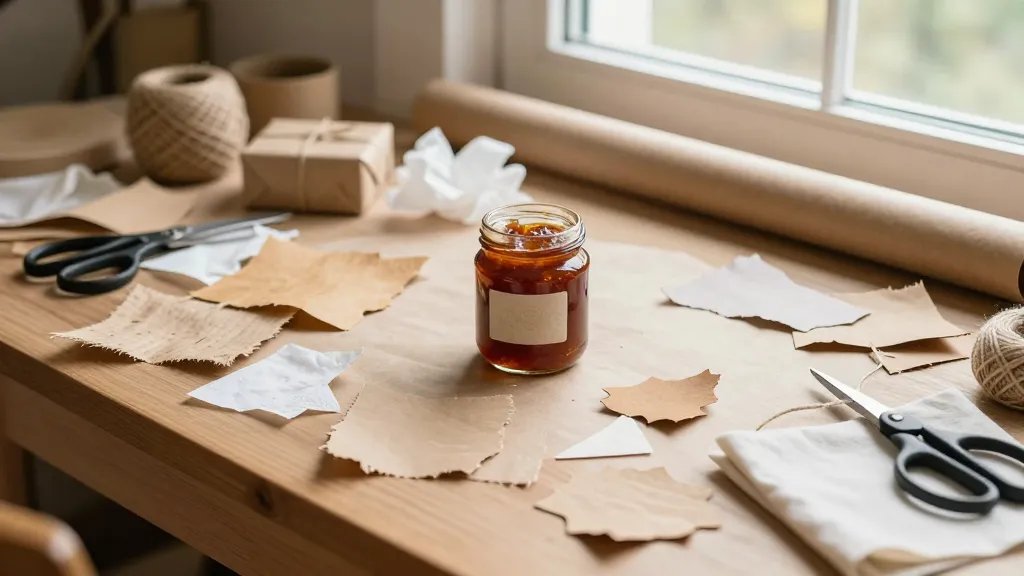
Personal touches go a long way. Try these quick ideas:
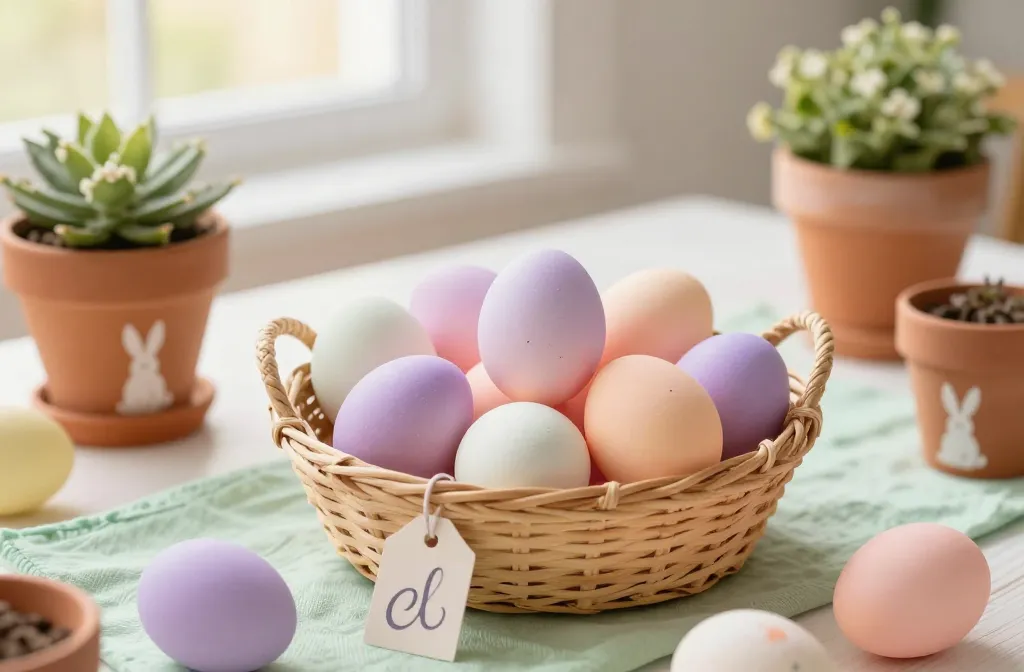
- Hand-stamped tags with your signature symbol or name.
- Handwritten note on a mini card—keep it short and sweet.
- Wax seals or fabric ribbons for a touch of nostalgia.
Why it works: it shows you put effort beyond the product. People love feeling special, and your time = value.
How to Create Eco-Chic Packaging
Going green doesn’t have to be boring. Use:
- Biodegradable tissue paper with your logo printed in soy ink.
- Reusable cotton muslin bags for small items.
- Upcycled jars or tins with a fresh label.
Eco-friendly vibes sell, and they look gorgeous in photos. IMO, sustainability is a confidence booster for your brand.
Branding That Feels Like You
Your packaging should echo your craft’s personality. Are you whimsical, minimalist, rustic, or glam? Align colors, fonts, and textures to tell that story consistently. A cohesive look makes your work instantly recognizable, turning first-time buyers into repeat fans.
Color Palettes and Typography That Work
Keep it simple:
- Two main colors max—one accent, one neutral.
- Readable fonts for tags and labels; avoid super trendy that date fast.
And don’t forget logos aren’t mandatory. A small motif or signature mark can work just as well.
Practical Packaging Hacks for Small Businesses
You want practicality without sacrificing charm. Here are some tested hacks:
- Modular packaging: use stackable boxes that fit multiple products and save on shipping.
- Clear sleeves or windows so the product shines through.
- Seal with tamper-evident stickers for a touch of security and professionalism.
A little foresight saves you from chaotic post office moments and unhappy customers.
Packaging for Different Types of Handmade Goods
Different crafts need different guards:
- Jewelry: padded mailers, velvet pouches, and anti-tarnish tissue.
- Candles: heat-resistant sleeves and label warnings for safety.
- Knits: tissue wrap inside sturdy mailers to prevent snagging.
Your product deserves protection that suits its vibe.
Unboxing Experience: It’s a Tiny Celebration
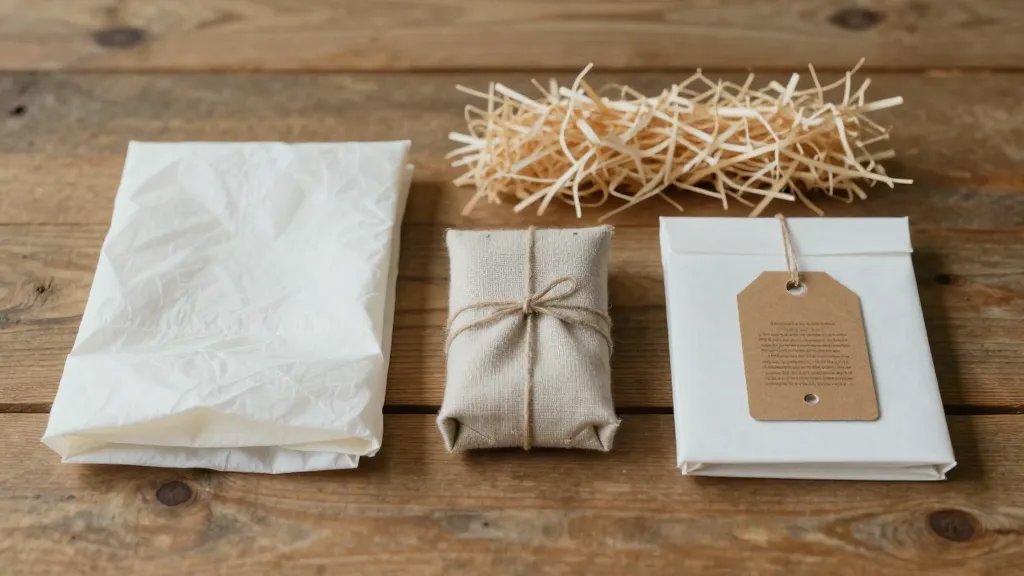
The unboxing moment matters almost as much as the product itself. Create a mini celebration in a box:
- A small thank-you note that sounds like you.
- Bonus: a care card or usage tip for the next season.
- Surprise element: a tiny sticker or a sample of another item.
People keep those little extras in a drawer or on a desk as a memory of your brand.
Organizing Your Packaging Workflow
Great packaging should be repeatable. Build a simple system:
- Stock up on a few ready-to-go wraps and tags.
- Set up a tiny “packaging station” with scissors, tape, and pens within reach.
- Caption-ready packaging: design tags and prints that look good in photos for social posts.
Consistency saves time and makes shipping feel like second nature.
FAQ
How do I start packaging with a tiny budget?
Start with what you already own. Reuse shipping materials, print simple labels at home, and use natural textures like burlap or twine. Small, thoughtful touches go a long way, and you can scale up as sales grow.
What should I include in a care or usage card?
Keep it short and actionable. Include cleaning tips, best-use scenarios, and where to find more info online. A friendly tone goes a long way—think “you’ve got this” rather than “read this manual.”
How can I make my packaging eco-friendly without losing style?
Choose recyclable or compostable materials, print with soy inks, and reuse packaging components. Add a note about your eco choices; customers love transparency and a story they can share.
Is it okay to include a discount or promo code?
Absolutely. A small incentive can boost repeat purchases. Make the code short, memorable, and tied to your brand.
What are some quick wrapping ideas for holidays?
Use seasonal colors, add a festive tag, and include a tiny ornament or charm as a gift-ready flourish. Keep it doable—fewer components, less stress, more sparkle.
Conclusion
Packaging isn’t an afterthought; it’s part of your craft’s signature. When done right, it amplifies the voice of your work and makes buyers feel seen. Start with one or two tweaks you love, test how people react, and iterate. FYI, the unboxing moment is often the best free marketing you can get—people love sharing a well-wrapped surprise. Ready to level up your packaging game? Your handmade creations deserve a grand entrance, not a shrug.