Are you staring at your clay masterpieces and wondering, “What the heck are these worth?” You’re not alone. Pricing handmade goods is part art, part math, and a little bit of brave. Let’s break it down so you can price confidently and actually make money doing what you love.
Know Your Costs Inside and Out
Before you even think about the final price, you need to know what went into every piece. Otherwise you’re flying blind and that’s no fun for anyone.
– Materials: List every clay type, glazes, underglazes, sealing agents, and findings. Don’t forget tiny stuff like brushes or tools you upgrade for a better finish.
– Consumables: Sandpaper, brushes, kiln shelves, glaze candles, and electricity. Kiln time adds up faster than you think.
– Time: Track hours from concept to finish. Include drying, firing, glazing, and any retries.
– Packaging: Boxes, tissue paper, labels, business cards, and shipping materials.
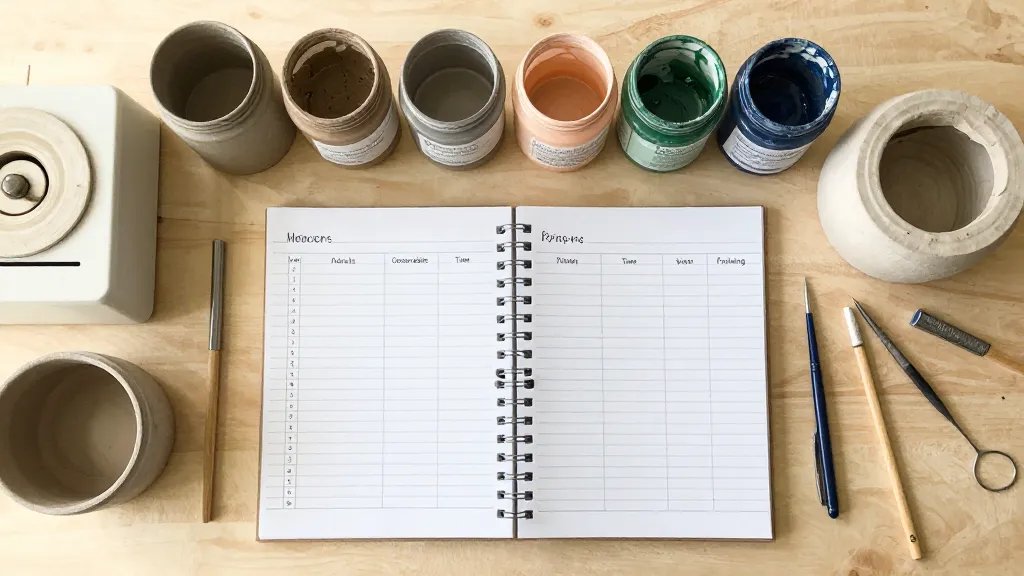
FYI: Keep a simple spreadsheet or a notebook. The goal isn’t perfection; it’s consistency. If a piece costs you $12 in materials and $10 in time plus $3 in packaging, that’s $25 baseline. Now you’re ready to build up from there.
Choose a Pricing Method That Actually Works
There are a few popular ways to price handmade goods. Pick the one that fits your workflow and stick with it long enough to see trends.
Cost-Plus Pricing
– Start with your total cost per piece (materials + time + overhead).
– Add a markup. Common markups range from 2x to 3x, depending on market and niche.
– Example: If a mug costs you $12 to produce, aim for $24–$36.
Hourly Rate Pricing
– Decide on an hourly wage you’re comfortable with (not minimum wage vibes, something fair for your skill level).
– Total hours spent multiply by your rate, then add materials.
– Pros: Simple and scalable for custom orders.
– Cons: You might undervalue faster pieces or overcharge slow ones.
Market-Based Pricing
– Look at similar clay artists in your niche. What are they charging for comparable pieces?
– Don’t copy—differentiate with size, glaze, finish, or packaging.
– Use this as a guide, not a rulebook. Your time and artistry still matter.
Factor in Perceived Value
Pricing isn’t just math; it’s psychology too. People buy with emotion as much as with reason.
– Uniqueness: One-of-a-kind pieces can command higher prices.
– Craftsmanship: Finish, smooth lines, and detail count. A sloppy edge isn’t charming; it’s a repellent.
– Story: The backstory of your piece or your process adds value.
– Brand voice: A cohesive aesthetic and packaging makes your work feel premium.
– Presentation: Good photography, clean labels, and sturdy packaging bump perceived value.
➡ Pro tip: Boldly describe what makes each piece special in product descriptions. If you can tell a story in a sentence, you’ve earned part of that higher price.
Consider Your Audience and Platform
Who are you selling to, and where? Pricing shifts with channels.
– Local craft fairs: People expect accessible prices. Offer smaller, lower-risk pieces and a few premium items.
– Online marketplaces: Factor in listing fees, processing fees, and shipping. People expect free or affordable shipping, so bake that into the price.
– Your own shop: You have the least friction for premium pricing if you control photos, copy, and packaging.
Thick skin needed: some audiences will push for discounts. It’s okay to hold firm once you’ve set your baseline. If you cave often, you teach buyers to expect discounts.
Packaging, Shipping, and Fragility
Clay pieces can be delicate. Your shipping strategy can make or break a buyer’s experience.
– Packaging: Use protective padding, sturdy boxes, and branded materials. A great unboxing moment boosts repeat sales.
– Shipping costs: Decide who pays (you or the buyer) and what you’ll charge. If you’re absorbing shipping, price accordingly.
– Insurance: For high-ticket items, consider shipping insurance. It reduces anxiety for both of you.
– Shipping weight vs. price: Heavier pieces cost more to ship. Build that into your pricing or offer tiered options.
Pricing Tiers and Product Lines
Creating price tiers helps customers navigate your shop and saves you from constant price haggling.
– Entry-level items: Smaller, simpler designs with friendly prices to attract new customers.
– Core line: Your best-sellers—solid pricing that covers costs and yields a solid margin.
– Limited editions or custom work: Premium pricing with clear timelines and extra value.
Creating a Pricing Chart
– List each piece with cost, time, materials, and packaging.
– Add target profit margin per item.
– Include optional add-ons (sampler glazes, color variations) with price bumps.
Discounts, Sales, and Loyalty Programs
Discounts can drive traffic, but they can also erode perceived value if overused.
– Time-limited sales: Create urgency without slashing value. Offer a small discount during a slow period.
– Bundle offers: Pair items in a set at a slight discount to move multiple pieces.
– Loyalty perks: A stamp card or small discount for repeat customers builds long-term value.
– Be strategic: Don’t discount your best sellers too often. They’re your anchors.
Dealing with Custom Requests
Custom orders can be big money or big time sinks. Set clean expectations.
– Deposit: Always require a deposit before starting a custom piece.
– Timeline: Provide a realistic timeline. If life happens, communicate early.
– Revisions: Limit the number of revisions included in the base price.
– Quote in writing: Email or messaging with a breakdown so everyone’s on the same page.
Tracking and Adjusting Over Time
Pricing isn’t a one-and-done deal. Your costs, demand, and skills change.
– Review quarterly: Recalculate costs as material prices shift or you improve efficiency.
– Track sales data: Which pieces sell fastest? Which stay on the shelf? Use the data to sharpen your line.
– Test small changes: Raise or lower prices on a few items and monitor reactions.
When to Raise Prices
– Your materials spiked or you found a more efficient method.
– Your pieces consistently outpace your current margins.
– Demand outstrips supply, and you’re comfortable absorbing more orders.
FAQ
How should I price a unique, handmade piece I designed years ago?
Pricing should reflect current costs, not past magic. Recalculate using your current materials, time, and overhead. If the piece still speaks to your audience and fits your brand, you can maintain its price or slightly adjust for inflation and demand.
Do I need to offer discounts for college students or teachers?
You can, but set rules. For example, offer a fixed percentage to students or education staff with valid ID, or create a dedicated discount window so it doesn’t derail your standard pricing.
What if I underestimate the time it takes to finish a piece?
Track your time honestly for a few projects, then adjust your hourly rate or pricing to cover the actual effort. It’s better to underpay yourself once than burn out later.
Is it okay to price differently on different platforms?
Yes, but keep your core pricing consistent to avoid customer confusion. If platform fees justify higher prices, it’s reasonable to adjust slightly. Transparent communication helps.
How do I handle price increases with existing customers?
Keep communication friendly and proactive. Explain rising costs and why you’re adjusting prices. You can offer a limited-time bundle or a small grace period for current orders.
Conclusion
Pricing your handmade clay crafts isn’t just math—it’s storytelling with numbers. Nail your cost awareness, pick a pricing method that fits your vibe, and stay attuned to what your audience values. With a clear system, you’ll price confidently, protect your margins, and keep creating without selling yourself short. Ready to put numbers to your artistry and watch your passion pay off? IMO, you’ve got this.