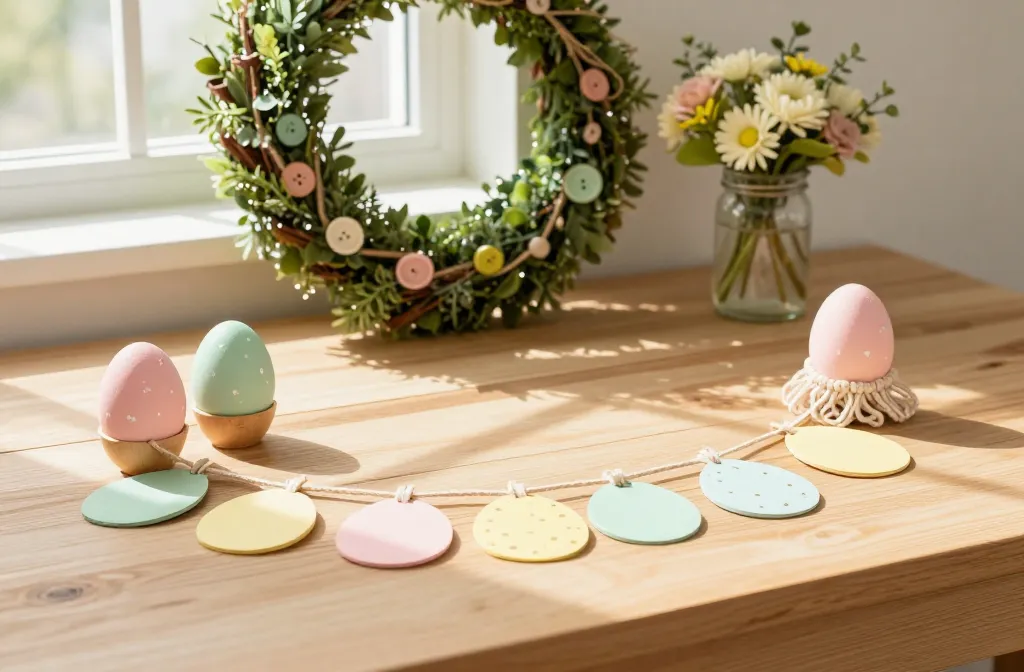
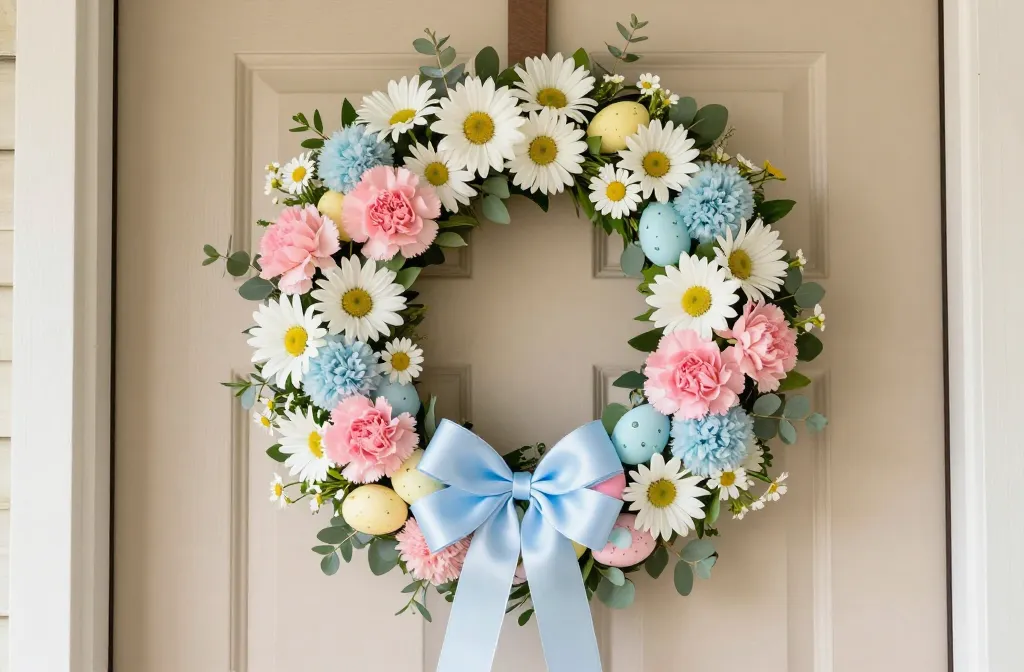
Ready to turn your front door into an Easter masterpiece without breaking the bank? Let’s dive into playful, doable wreath ideas that mix color, texture, and a little whimsy. FYI, you’ll be surprised how simple these are to pull off—no special skills required, just a little imagination and a lot of fun.
Classic Flask-Woah Wreaths: Fresh Flowers Without the Fuss
Birds, beacons, bunnies—whatever you love, this approach pairs bright blooms with a low-maintenance twist.
- Choose a simple foam or straw wreath base to keep things light.
- Dump a splash of fresh-cut flowers into a floral foam grid for easy arrangement.
- Accent with greenery to balance color and add texture.
Spring Bouquet in a Wreath
If you adore fresh florals but dread constant upkeep, this is your sweet spot. Pick durable stems like daisies, carnations, and ranunculus. Clip stems to varying heights for depth, and tuck in sprigs of eucalyptus or feverfew for a fragrance boost. IMO, you’ll want to swap flowers every week or two to keep things vibrant.
Pastel Pom-Pom Party: Yarn, Ribbon, and Whimsy
Soft pastels + fluffy textures = instant cozy vibes. This one is surprisingly sturdy if you use the right base.
- Wrap a wreath frame with yarn in your chosen color palette.
- Glue on fluffy pom-poms made from yarn or faux pom-poms for a playful look.
- Add ribbons, faux eggs, or mini chicks for Easter cheer.
Textural Twists: Alternative Materials
Consider mixing in felt balls, pom-pom garlands, or colored paper quilled shapes. It’s a budget-friendly way to add personality without overloading the eye.
Natural Elements: Rustic Charm That Feels Fresh
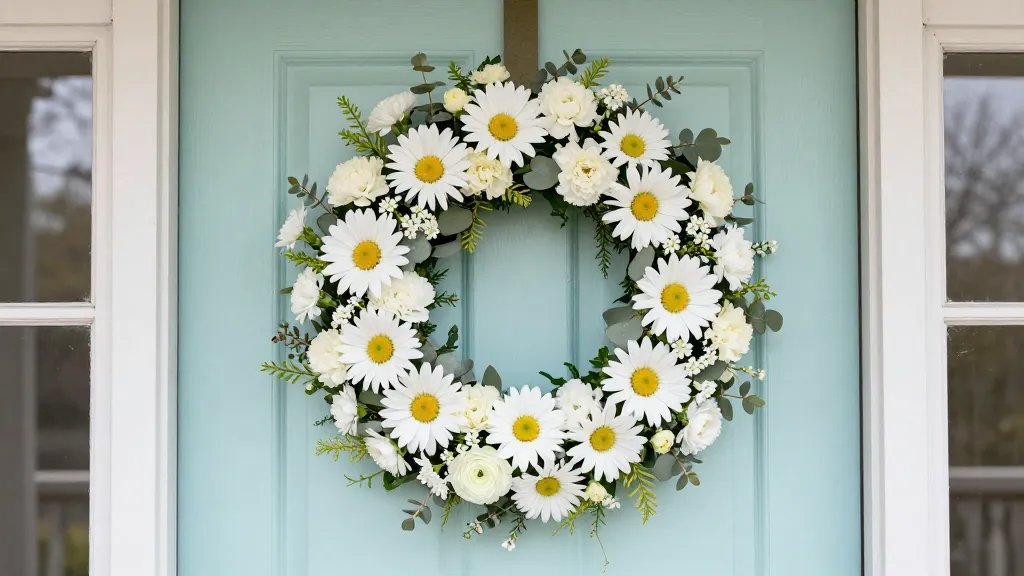
Earthy textures bring a calm, welcoming vibe to any entryway.
- Use a grapevine or twine base for a rustic look.
- Adhere dried grasses, twigs, and pinecones for structure.
- Spot-paint wooden eggs or hollow gourds for subtle pops of color.
Dried Floral Arrangements: A Quick Tip
If you’re worried about longevity, mix dried elements with fresh foliage. Dried bits stay put longer, and you won’t fight wilting petals. FYI, seal with a light spray of hair spray to keep dust away and hold shape.
Whimsical Animals and Characters: Cute, Quirky, and Shareable
Who says Easter wreaths have to be serious? Add a little personality with playful creatures or cheeky faces.
- Wire in a cardboard bunny silhouette or felt chicks peeking from behind flowers.
- Use googly eyes or enamel pins for quick character upgrades.
- Hang a tiny chalkboard tag with a punny greeting.
DIY Bunny Veil: A Quick Sub-DIY
Cut a small cardboard bunny, cover with fabric, and attach to the wreath with floral wire. It’s adorable and surprisingly sturdy when secured well. Pro-tip: hide the attachment points with greenery so nothing looks obvious.
Color Blocking for Maximum Pop
Bold color blocks create a modern, eye-catching focal point that still feels festive.
- Pick two to three color families and group elements accordingly.
- Use eggs, ribbons, and flowers to create defined color zones.
- Finish with a contrasting ribbon wrap around the outer edge to frame the piece.
Monochrome with a Twist
Go entirely in whites, creams, and pale greens, then pop one bold hue (hot pink or teal) as an accent. It reads chic, not childish, and immediately photograph-friendly for social feeds.
Eco-Friendly and Reusable: Wreaths That Last
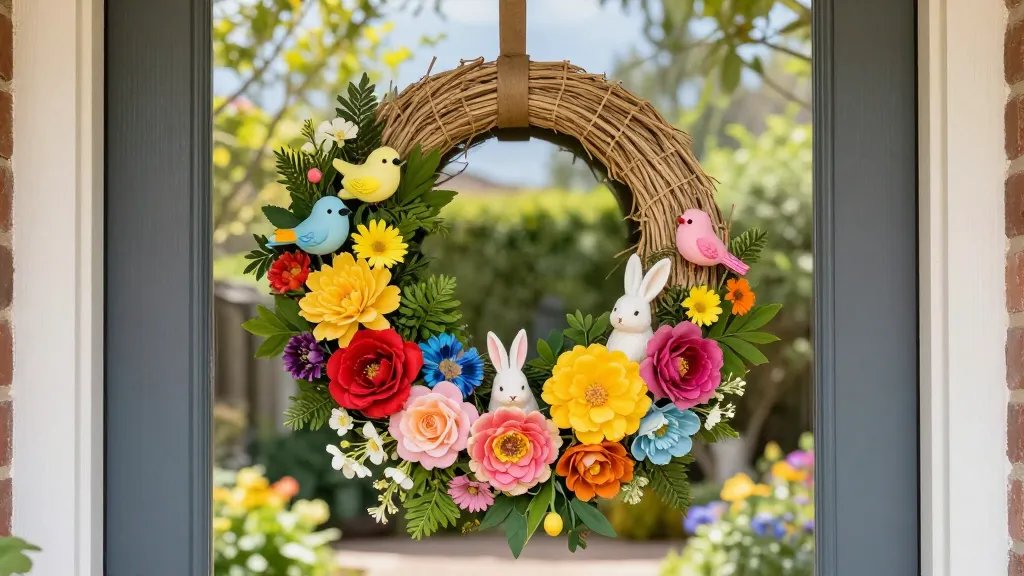
If you’re sustainability-minded, these designs are easy to refresh year after year.
- Use a durable wooden base and high-quality faux foliage that lasts.
- Store in a breathable bag to avoid crush damage between seasons.
- Choose ribbons and decorations that can be swapped out with the season.
Swap-And-Sow: Quick Refresh Cycles
Keep a small stash of seasonal elements (mini eggs, spring leaves, pastel ribbons). A few minutes of swapping can give you a totally new wreath look without buying a new base each time.
How to Hang and Care for Your Wreath
No one wants a droopy door decoration. Here are some practical tips to keep things looking sharp.
- Use a sturdy hook or wreath hanger, especially on metal doors.
- Secure lightweight elements with hot glue, but tie down heavier parts with floral wire.
- Protect surfaces by adding felt pads to the back of the wreath base.
Maintenance Made Easy
Every couple of weeks, dust the wreath and check for loose pieces. If something starts to sag, reanoint it with a dab of glue or a quick twist of wire. FYI, a light mist of water can revive some dried elements, but avoid overdoing it to prevent mold.
FAQ
Can I use real flowers for an Easter wreath all year round?
Real flowers work beautifully for the season, but they wilt quickly. Consider using a mix: fresh for the launch week, then switch to faux textures and dried elements to keep it fresh-looking longer.
What base should I choose for a low-effort wreath?
A lightweight foam or straw base is forgiving and easy to work with. If you want a rustic vibe, grapevine bases look fantastic and hold up well.
How do I make a wreath that’s kid-friendly?
Choose larger elements, bright colors, and fewer small parts that could pose a choking risk. Use felt shapes, foam eggs, and soft textiles for a playful look that’s safe for little hands.
Are there budget-friendly tips for a big impact?
Yes. Use faux stems and greenery in bulk, then cluster a few statement pieces like oversized eggs or a bold ribbon. Reuse bases and swap out decorative pieces each year.
How long will a DIY Easter wreath last?
With faux materials and proper care, you’re looking at many seasons. If you opt for real flowers, plan for just a few weeks of vibrant life, then transition to faux or dried elements.
Conclusion
DIY Easter wreaths are a fantastic way to greet guests with personality and seasonal charm. Whether you go bold with color blocks, lean into natural textures, or add a cheeky animal touch, the result should feel like you—playful, creative, and a little goofy in the best possible way. So grab your craft supplies, pick a style that sings to you, and start wreathing. Your door will thank you, and your feed might just thank you more.