An unexpected clay craft can turn into real cash online. You don’t need a fancy studio or millions of followers to start. Let’s break down simple, appealing clay projects that attract buyers and ship fast.
Why Clay Sells: A Quick Reality Check
Clay is forgiving, affordable, and endlessly customizable. People love having tangible, handmade items that add a personal touch to their spaces. If you’re patient, consistent, and a little playful, you’ll build momentum faster than you think. FYI, the key is finding a niche and getting quality photos.
Low-Coop Projects: Quick Wins That Ship Fast
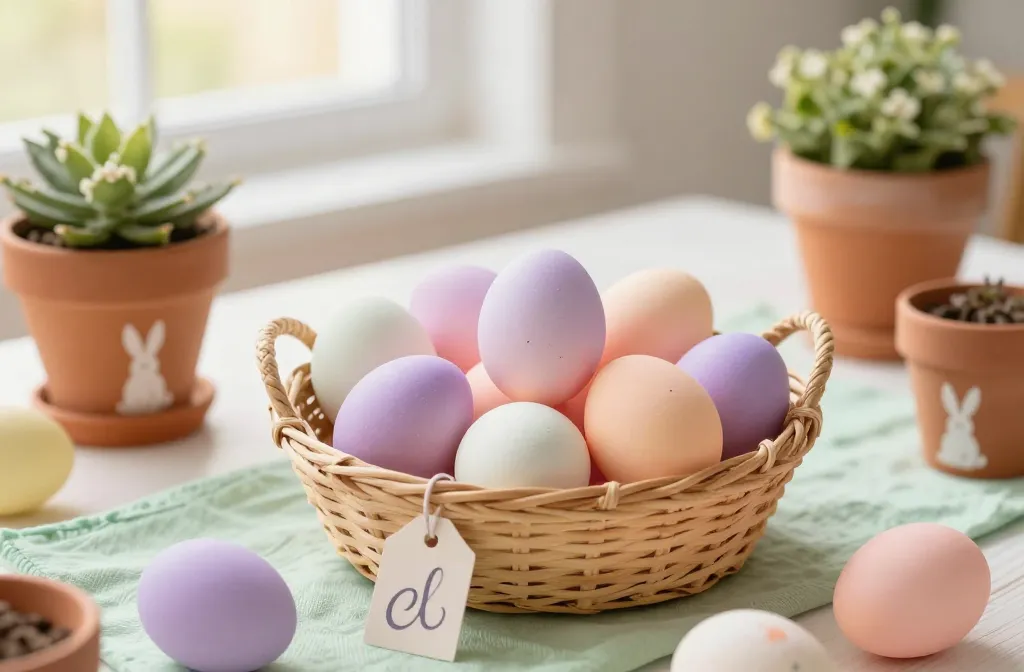
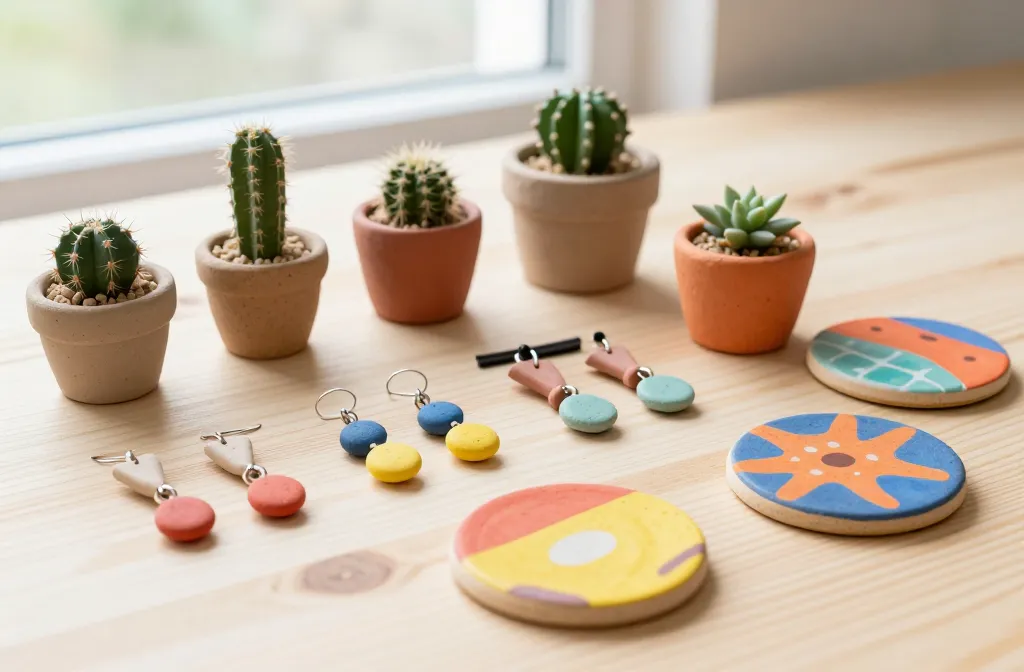
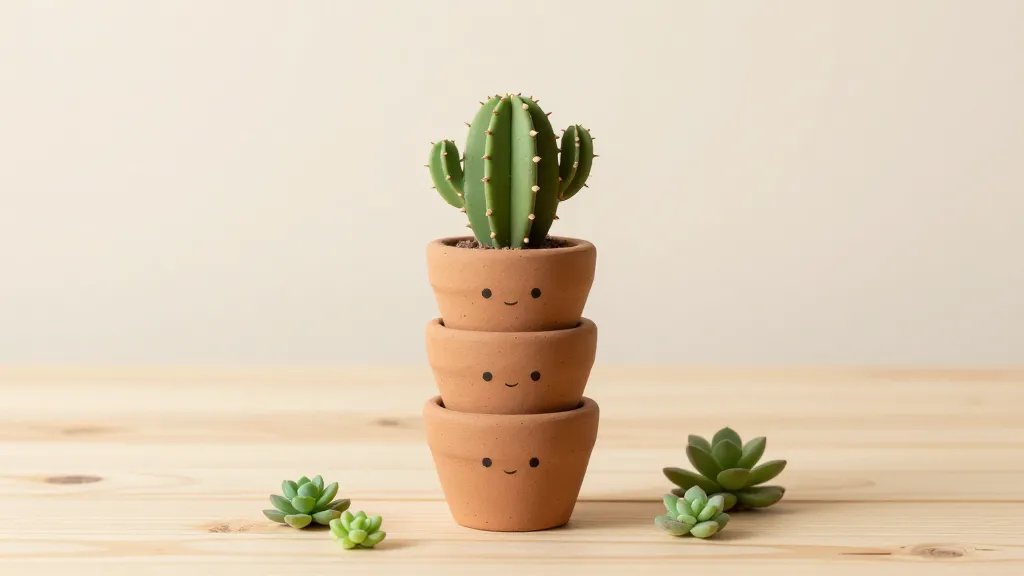
- Miniature planters: Tiny cacti or succulent pots with cute faces sell like hotcakes.
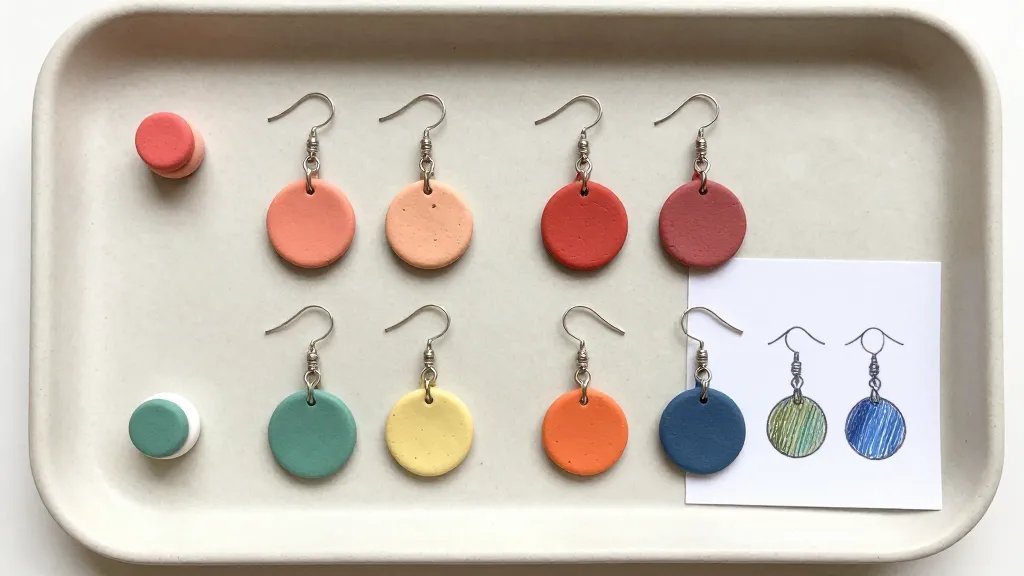
- Pod earrings and charms: Lightweight, colorful pieces that customers can mix and match.
- Artistic magnets: Funky shapes, bold colors, and a splash of personality for fridges and lockers.
- Coasters with personality: Quick to make, easy to personalize with initials or patterns.
- Ornamental beads: Jewelry components or keychains that feel premium without costing the moon.
How to nail photos for online sales
– Shoot on a clean background with good natural light.
– Include a close-up shot and a lifestyle shot (in use or worn).
– Show scale with a familiar object.
– Edit lightly to keep colors true.
From Raw Clay to Ready-to-Sell: My Simple Process
- Prepare your clay: Condition well, knead until smooth, and store scraps for reuse.
- Sculpt with purpose: Think about comfort of use, size, and shipping durability.
- Bake and seal: Follow the clay’s instructions; seal with a non-toxic finish to protect surfaces.
- Sand and buff: A gentle finish makes colors pop and items feel premium.
- Label and package: Include care instructions and a thank-you note to add charm.
Tools that save time and money
– Basic clay, roller, and cutting tools
– Polymer clay bakeable glazes
– Fine-grit sandpaper for a smooth finish
– Clear boxes or tissue paper for packaging
Finding Your Niche: What People Actually Want
Think about scale, style, and function. Do you want quirky, minimalist, or rustic pieces? Narrowing your focus helps you market more effectively and reduces decision fatigue for buyers. IMO, a consistent line beats random one-offs every time.
Sample niches that perform well
– Cute animal-inspired mugs and planters
– Geometric earrings with bold color blocks
– Natural textures like clay shells and abstract motifs
Pricing and Profit: Don’t Sell Yourself Short
Setting the right price is a mix of time, material costs, and perceived value. Start by calculating per-item costs: clay, glaze, tools, packaging, and shipping. Then decide on a profit margin that feels fair to you and attractive to buyers. FYI, many sellers aim for 2-3x material costs.
Pricing strategies you can steal
– Tiered pricing for bundles (e.g., 3 magnets for a discount)
– Limited-edition runs that create urgency
– Custom orders at a premium (think initials or unique colorways)
Shine Online: Photos, Descriptions, and Listings
Your product pages should tell a story as much as they show it. Use bright, real-life photos and friendly copy. Highlight care tips and sizing details. Make sure the listing answers: size, materials, color options, and shipping estimates.
Crafting irresistible descriptions
– Start with a hook: What makes this item special?
– List specs clearly: dimensions, weight, materials
– Add care instructions and usage tips
– End with a friendly call to action
Customer Service Waypoints: Build Trust Fast
People buy from people they trust. Respond quickly, be transparent about shipping times, and handle returns gracefully. A personal note in the package goes a long way toward repeat business. Also, keep your shop policies simple and readable.
Handling common questions
– Are pieces microwave-safe? Be honest about usage.
– How long does baking take? Provide rough timelines.
– Do you offer color customization? List available options.
Expanding Your Reach: Where to Sell
There are several good routes that don’t require a big following. Start with a small Etsy shop or a local craft market presence. Then branch into Instagram and Pinterest for organic discovery. If you want broader traffic, consider a simple Shopify store connected to social ads.
Platform pros and cons
– Etsy: Strong built-in audience, but competitive fees.
– Instagram: Great for visuals, requires consistency.
– Shopify: Full control, but you’re responsible for driving traffic.
FAQ
How long does it take to make typical clay pieces?
Clay pieces vary, but simple items usually take 15–60 minutes per piece, plus drying and baking time. Batch production can speed things up for more consistent output.
What kind of clay should I start with?
Polymer clay is beginner-friendly and dries with baking. If you want a more natural feel and different textures, air-dry clay is an option, but you’ll need to consider durability and finish.
Do I need a kiln for polymer clay?
Most polymer clays cure in a standard kitchen oven. Always follow the clay manufacturer’s temperature instructions to avoid burning or uneven curing.
How should I ship delicate clay items?
Use cushioned packaging: bubble wrap, tissue, and sturdy boxes. Consider double-boxing for fragile items and clearly label as fragile. A small care card inside also helps.
Can I customize items for buyers?
Absolutely. Custom orders are a strong selling point. Define a clear process, pricing, and turnaround time so expectations stay aligned.
What are common mistakes to avoid?
Rushing drying times, skipping sealing, or neglecting photos. Poor packaging leads to damaged items and bad reviews. Take your time and test everything before listing.
Conclusion
Clay isn’t just a hobby; it’s a real business potential if you approach it with focus and a little swagger. Start with a handful of simple pieces, nail your photos, and treat every customer like a friend who handed you a great idea. IMO, consistency matters more than flashy days. If you stay curious, you’ll turn simple clay projects into a steady online storefront you’re actually proud of.