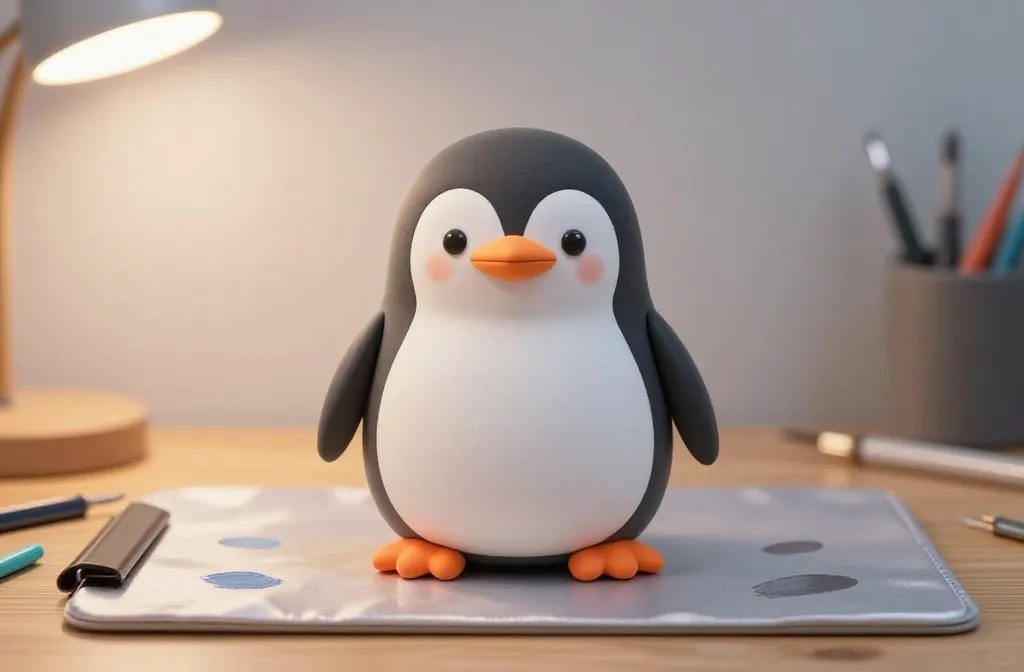
An animated penguin sculpture might sound silly, but a well-crafted chubby penguin brings delightful whimsy to any desk or shelf. Let’s skip the intro fluff and jump straight into the fun—way more satisfying than a boring tutorial, right?
Pick Your Penguin Persona
Decide what vibe you want: cute, goofy, or artsy. Do you want it to look plush and squeezable or glossy and polished? This choice guides your materials and proportions from the get-go.
- Cute: rounded belly, small head, stubby wings.
- Goofy: exaggerated belly, a tiny beak, oversized feet.
- Artsy: abstract shapes with interesting textures.
Materials That Make It Easy
You don’t need a fancy kiln or expensive clay to get a jaw-dropping chubby penguin. Here’s a practical starter kit:
- Polymer clay in black, white, yellow/orange for beak and feet
- Acrylic paints for shading and tiny details
- Glass eyes or black polymer embellishments for personality
- Clay tools, a rolling pin, and a soft work mat
- Optional: a dab of clay softener for smoothing and pinching
Mastering Proportions Without the Drama
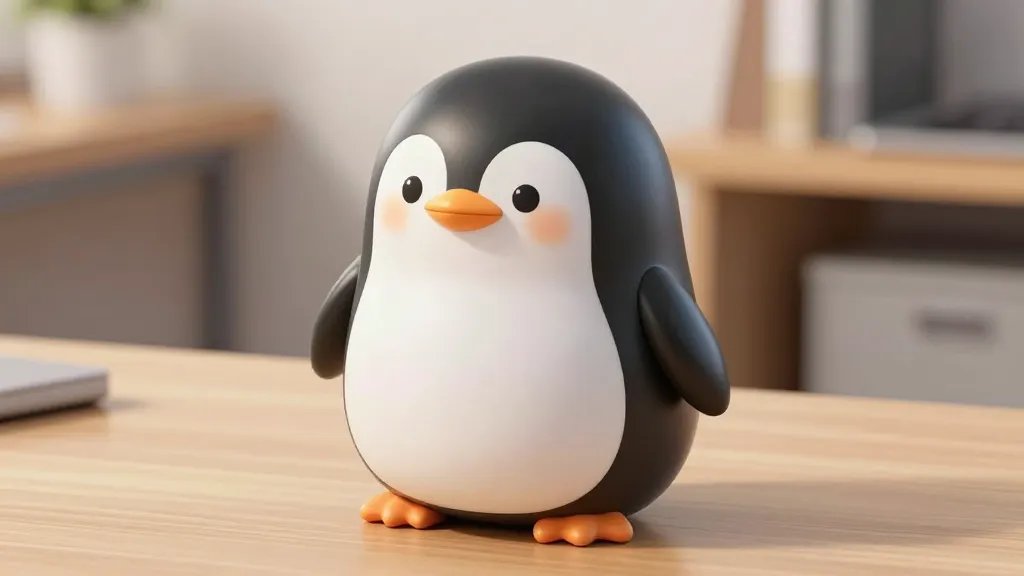
The secret to a lovable chubby penguin is balance. A squat, round belly plus a compact head reads as irresistibly cuddly.
- Start with a teardrop body: wider at the bottom, tapering at the neck.
- Keep the head about a third the size of the body for that adorable chonk look.
- Place wings snug against the body; not flapping, just comfy.
Subtle Sculpting Tricks
If your penguin starts looking like a peanut with feet, try these tweaks:
- Pinch the belly outward a touch for extra squishiness.
- Round the cheeks or add a tiny chin to give character.
- Indent a shallow belly button line for depth.
Step-by-Step: Building Your Chubby Penguin
Here’s a simple flow that really works. Adjust timing based on your clay brand and bake times.
- Shape a plump oval for the torso and a smaller rounded ball for the head.
- Attach the head to the torso with a gentle blend of clay or a dab of glue after partial curing.
- Roll two short cylinders for the wings; press them against the sides.
- Make short, rounded feet; position them slightly forward for a cute stance.
- Add a tiny orange beak and small round eyes—save the sparkle for later painting.
- Refine curves, smooth seams, and bake according to your clay’s instructions.
- Paint with shading to emphasize volume—think soft grays, blues, or a classic tuxedo black-and-white combo.
Texture and Personality: Feels Like Real Fluff
Texture brings a chubby penguin to life. You don’t need a fancy toolset—just a few smart touches.
- Use a stippling sponge lightly around the belly to mimic fluffy fur.
- Gently drag a clean tool along the back to create a subtle fur direction.
- Consider a matte finish for a cozy, plush look or a glossy glaze for a playful, toy-like vibe.
Color Palette Play
Color makes or breaks the vibe. Classic penguin colors are black, white, and orange, but don’t be afraid to experiment.
- Soft grays instead of pure black for a friendlier feel.
- Pastel accents on the belly or wings for a whimsical twist.
- Indoor-friendly acrylics with a matte sealant to keep it kid-safe.
Finishing Touches That Wreck the World (In a Good Way)
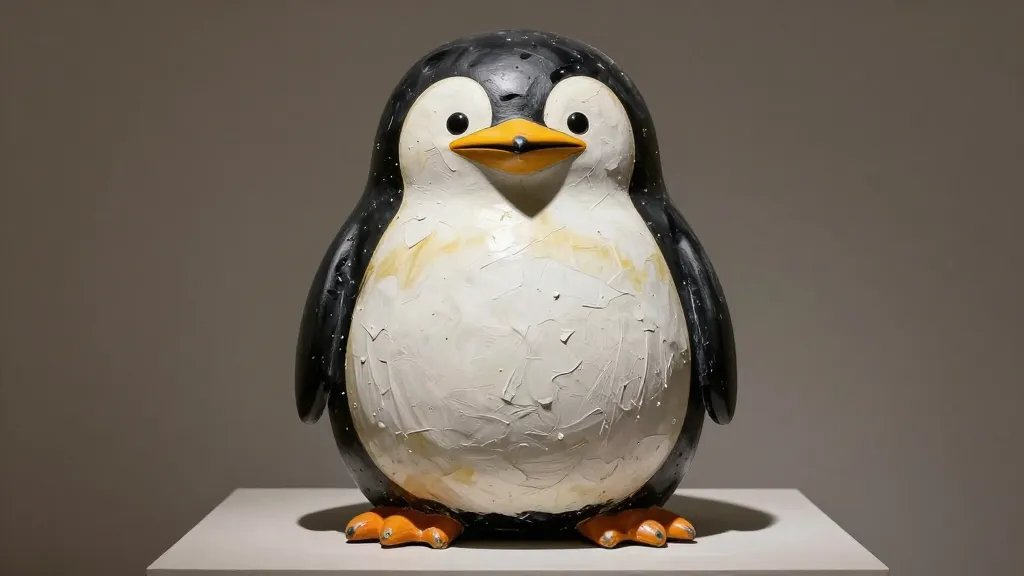
The endgame is all about character. Small details can turn a good sculpture into a conversation starter.
- Tiny cheeks: a touch of pink paint or a blush of red on the corners of the beak
- Eyes with a little sparkle—use a white dot in the eye or a sealed glass bead
- A favorite accessory: a mini scarf, hat, or a flower behind the ear for humor
Display Tips
Your chubby penguin deserves a good home.
- Choose a sturdy base to prevent tipping—felt pads work great.
- Use a small stand to tilt the penguin slightly forward for a charming stance.
- Protect it with a light spray of sealant to keep colors vibrant.
Common Pitfalls—and How to Dodge Them
Even experienced crafters run into issues. Here’s the quick save plan.
- Overworking the clay can lead to cracks. Take breaks and use soft hands.
- Thin necks collapse. Attach head early while the torso is still workable.
- Uneven surface after baking? Sand lightly with fine grit and touch up with paint.
Tips for Beginners
If you’re new to sculpting, keep it simple:
- Start with a 2-3 inch model to learn proportions fast.
- Use a simple belly-first approach to prevent symmetrical mistakes.
- Don’t rush the cure-time—quality over speed, always.
From Sketch to Sculpture: Quick Design Timeline
A loose plan helps you stay on track and avoid wobbling silhouettes.
- Day 1: Draft a few quick sketches of how chunky you want your penguin to look.
- Day 2: Build the core shape with clay, focusing on a round belly.
- Day 3: Add features—eyes, beak, wings, feet—then refine curves.
- Day 4: Paint and seal. Enjoy the reveal!
Frequently Asked Questions
Can I use air-dry clay instead of polymer clay?
Air-dry clay is a workable option if you don’t want to bake. It’s slower to cure and can be more fragile, but it’s forgiving for beginners. Just seal it well to prevent chipping.
What’s the easiest way to attach the head?
For polymer clay, blend the neck area with a gentle pinch and smooth the seam. If you’re using air-dry clay, score the connection, apply glue, and hold until set.
How do I prevent cracking during drying or baking?
Keep your joins well blended, avoid overworking the clay, and bake at the recommended temperature and time. If you notice tiny cracks, fill with a tiny bit of fresh clay or paint to disguise.
What finishing sealant should I use?
A clear acrylic sealant works for most projects. If you want a plush look, a matte finish is perfect. For a toy-like shine, go gloss, but test on a scrap first to ensure it won’t alter the color.
Any quick hacks to make it look premium?
Yes. Use a damp sponge to feather edges, add tiny highlights on the eyes, and sculpt a soft belly line for depth. A tiny scarf or hat instantly ups the personality factor.
Conclusion: Your Chubby Penguin, Your New Favorite Creation
If you’re in the mood for a playful project that yields instant smiles, a chubby penguin sculpture is your jam. It’s simple enough for beginners, but with enough personality to impress seasoned crafters. FYI, the best part is showing it off and seeing that delighted reaction. So grab some clay, embrace the squish, and craft a penguin that feels like a tiny, cuddly hero.