Find a Craft You Will Actually Keep Doing
Choosing the right craft hobby starts with knowing how you like to spend your time, how much space and money you have, and what you want to make.
This guide walks through the main types of craft, the questions worth asking yourself, cheap ways to try before you commit, and the mistakes that make beginners give up too soon.
- The main craft families and what each needs
- A seven-step way to pick your first craft
- Low-cost ways to test a hobby
- Mistakes to avoid and myths to ignore
- Start with your goal Decide whether you want relaxation, useful items, gifts, a social outlet or a side income.
- Match the craft to your space Compact crafts such as crochet or paper crafts suit small homes; clay and resin need a surface you can leave covered.
- Try before you buy Taster classes, library books and borrowed tools let you test a craft for very little money.
- Give it a fair chance Complete three or four small projects before deciding whether a craft is right for you.
How to Choose a Craft Hobby That Fits Your Life
Choosing a craft hobby is less about finding the "best" craft and more about finding the one that suits your time, space, budget and temperament. Many people start with enthusiasm, buy a basket of supplies, and then drift away within a month because the craft never fitted the way they actually live. A little honest thinking at the start saves money, clutter and frustration.
Begin with what you want your new craft hobby to do for you. Some people want a calm, repetitive activity to wind down in the evening. Others want something social, something they can sell, or something that produces useful items for the home. None of these goals is better than another, but each one points towards different crafts.
If you have never made anything before, our guide on how to start crafting at home for beginners covers the basics of setting up and getting going. This article goes one step further and helps you narrow the field so the first craft you commit to is one you are likely to keep.
Think, too, about how you like to learn. Some people love working from written patterns, others prefer watching someone demonstrate, and some learn best by experimenting freely. Crafts with clear patterns, such as knitting or cross-stitch, reward the first group, while painting and collage suit people who enjoy open-ended play.
Understanding Each Type of Craft Hobby Before You Start
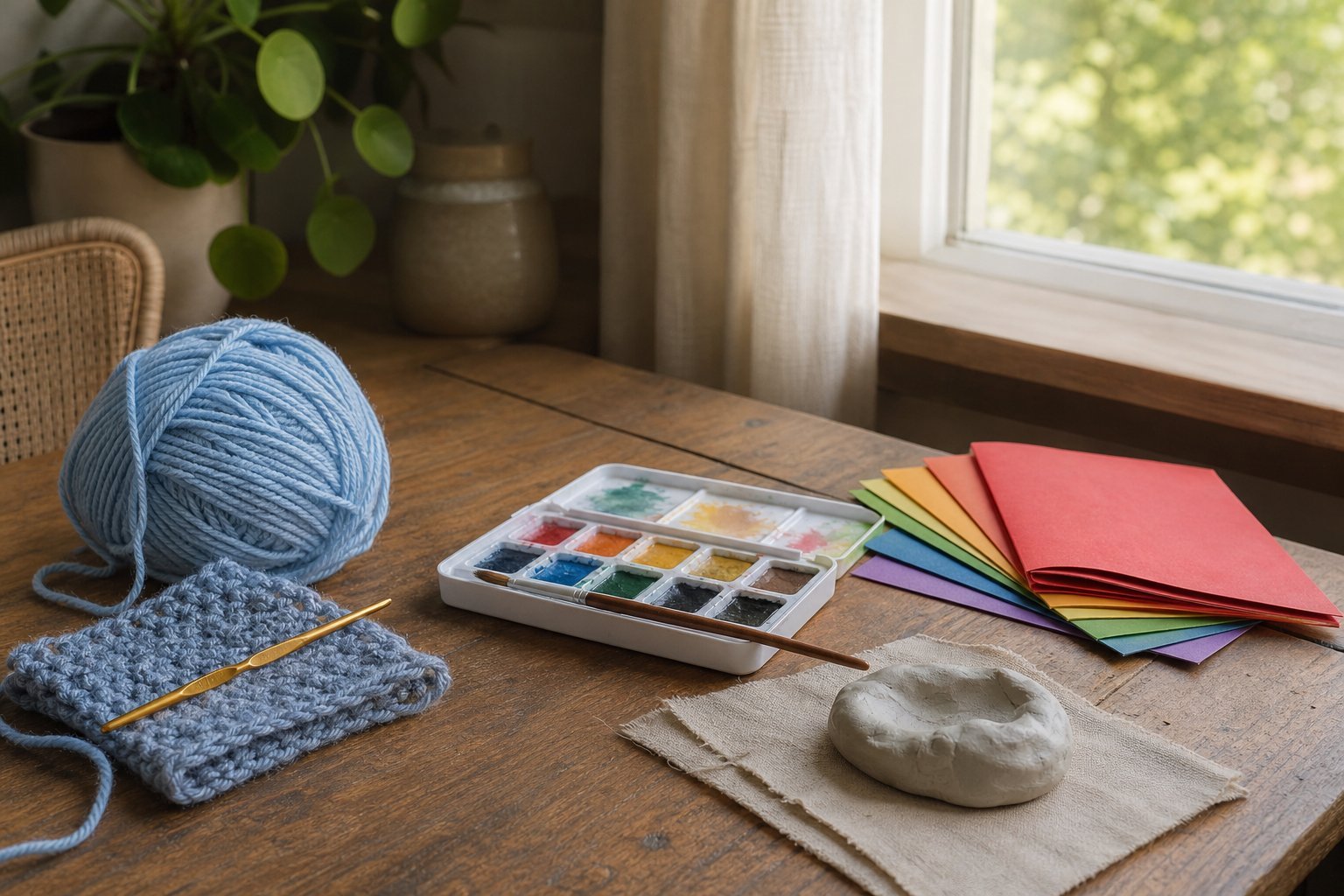
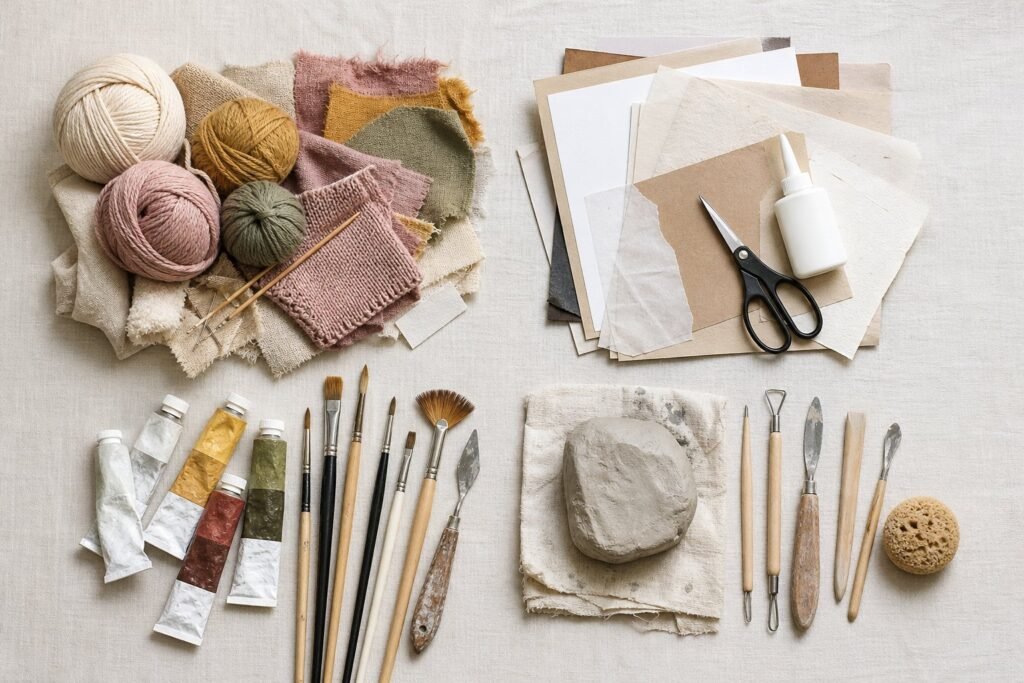
Most crafts for beginners fall into a handful of families. Each family shares similar skills, tools and space needs, so once you know which family appeals to you, the choice becomes much easier.
Fibre and textile crafts
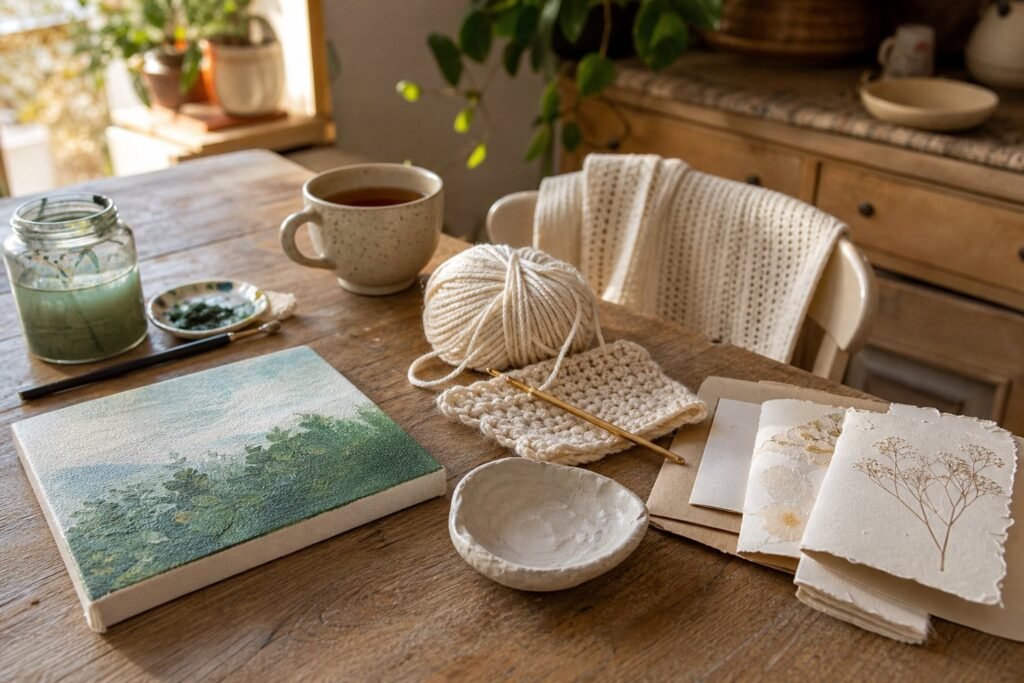
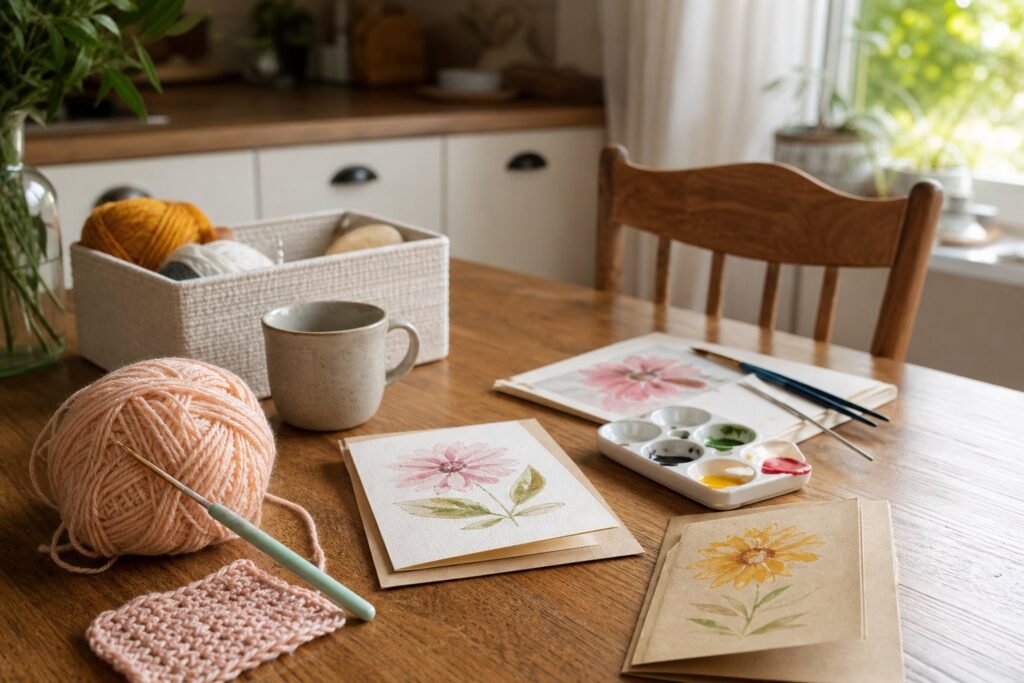
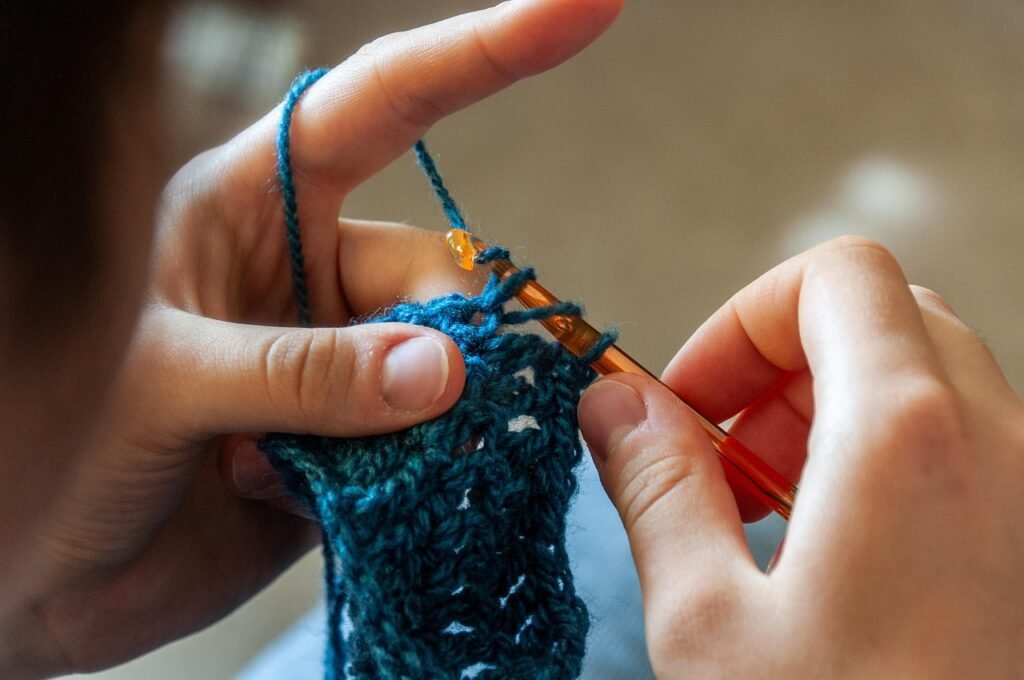
Knitting, crochet, embroidery, sewing and macramé all work with yarn, thread or fabric. They are quiet, portable and easy to pick up for ten minutes at a time. Knitting and crochet in particular travel well, so they suit commuters and anyone who likes to craft in front of the television. Sewing machines need more space and a steady table.
Paper crafts
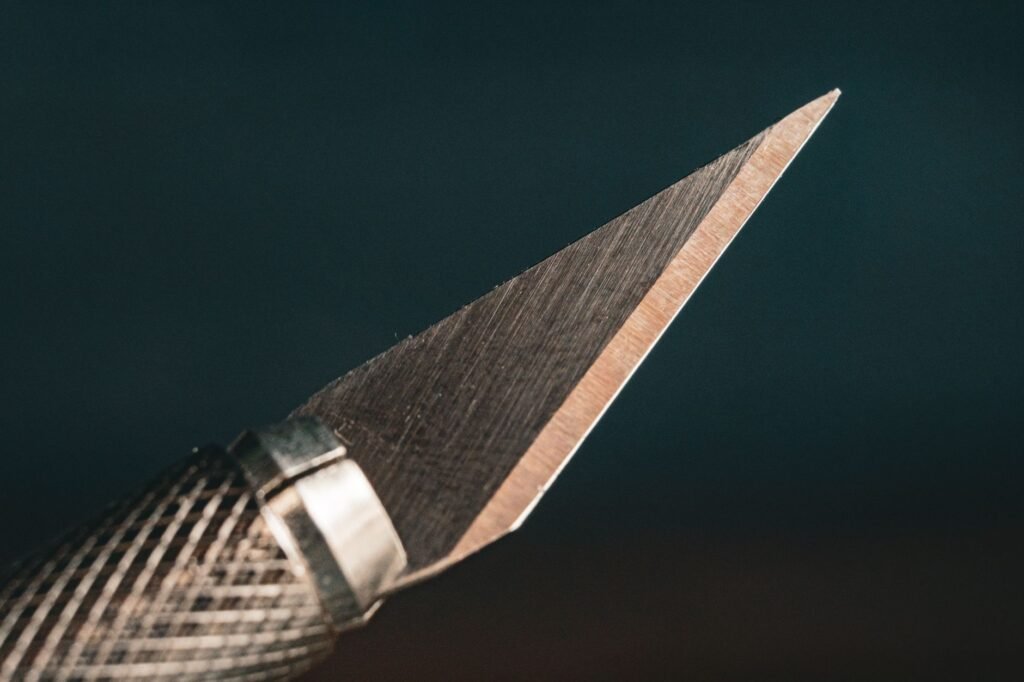
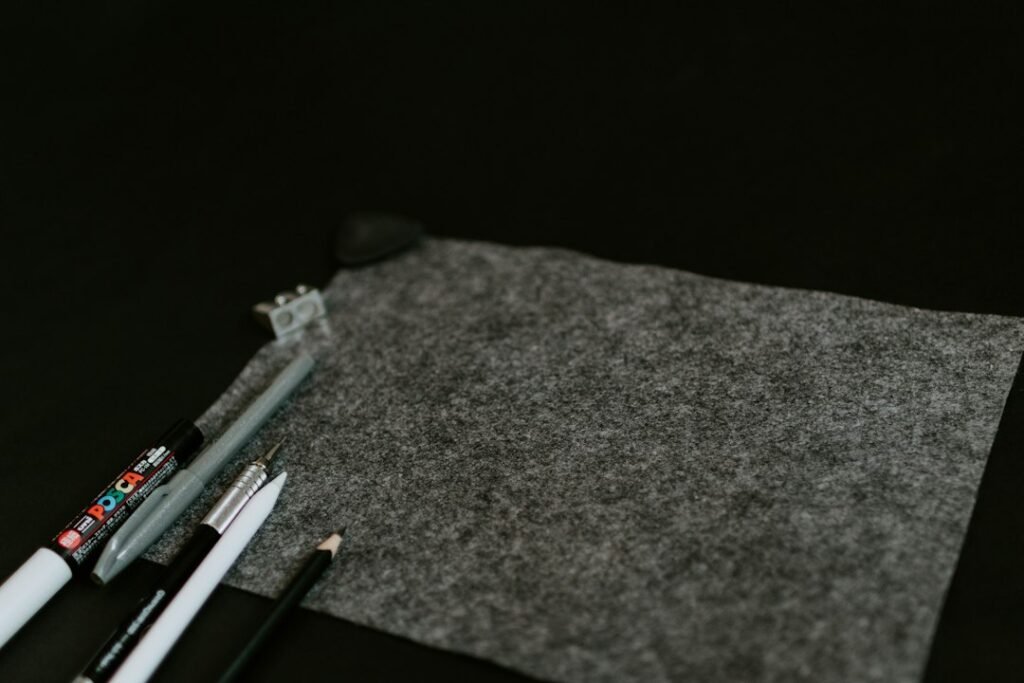
Card making, scrapbooking, origami and paper flowers need very little equipment to begin. A pair of scissors, a craft knife, a cutting mat and glue will take you a long way. Paper crafts are some of the tidiest crafts for beginners, quick to set up and ideal if you only have a corner of a desk.
Painting and drawing
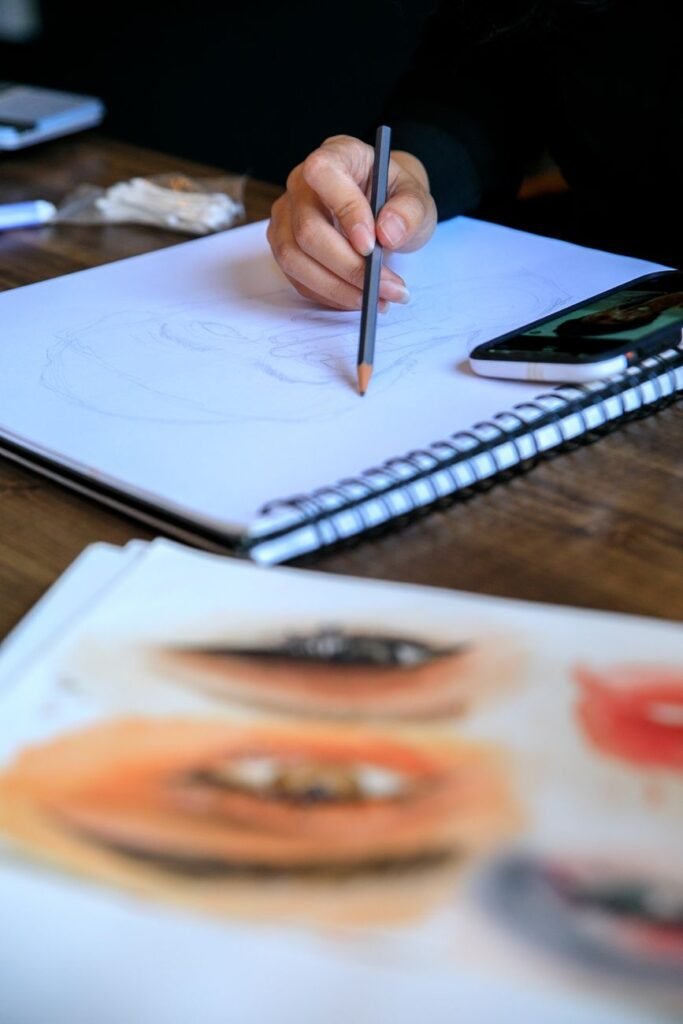
Watercolour, acrylics, sketching and lettering are open-ended and expressive. They suit people who enjoy experimenting and do not mind that early results look rough. Watercolour is compact and cleans up with water, while acrylics dry fast and forgive mistakes because you can paint over them.
Moulding and making crafts
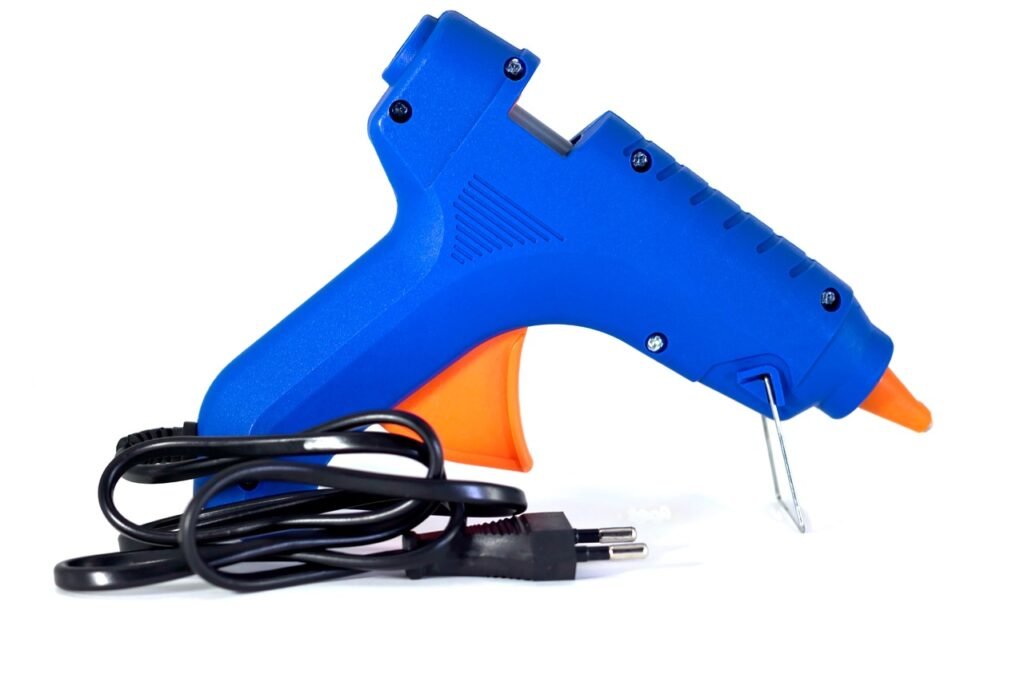
Air-dry clay, polymer clay, candle making, soap, resin and wood burning make a rewarding craft hobby that produces solid, useful objects. They are satisfying but often messier, and some need extra care with heat, fumes or ventilation. These suit people with a spare surface they can leave covered between sessions.
Craft Terms Beginners Hear Often
- Stash
Your collection of supplies, such as yarn, fabric or paper, kept for future projects.
- WIP
Work in progress: a project you have started but not yet finished.
- Starter kit
A bundle containing the basic tools and materials for a first project in one craft.
- Mixed media
Artwork or crafts that combine several materials, such as paint, paper and fabric, in one piece.
- Taster session
A short, low-cost class that lets you try a craft once before committing to it.
7 Steps to Choose the Right Craft Hobby
-
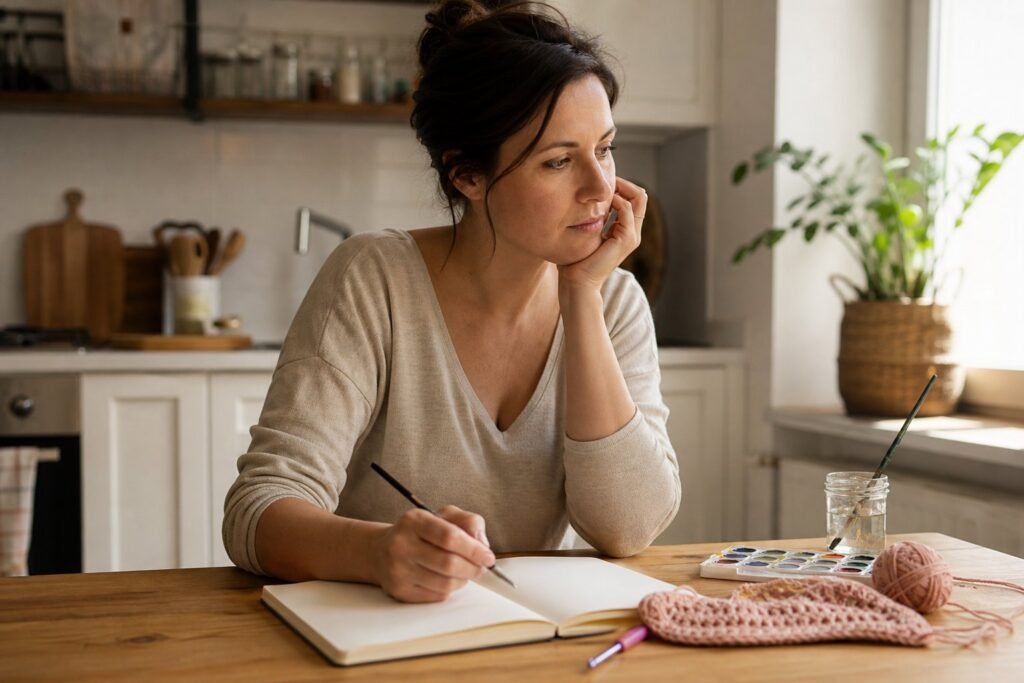
Name your main goal
Write down what you want from the hobby: calm, creativity, useful items, gifts, company or income.
-
Check your time
Note how long you usually have. Short, interrupted sessions suit knitting, crochet or sketching; long sessions suit sewing, clay or resin.
-
Look at your space
Decide whether you can leave work out, need everything packed away, or have ventilation for paints and resins.
-
Set a starting budget
Choose a small figure for your first month and favour crafts that fit within it.
-
Shortlist two or three crafts
Pick options from different craft families that match your goal, time, space and budget.
-
Try a taster project in each
Make one small, finishable piece in each craft using borrowed or basic tools.
-
Commit to the one you enjoyed most
Choose the craft whose process you enjoyed, not just the result, and plan your next three projects.
Pay attention to how you felt while making, not only to how the finished piece looks. A craft that relaxes you will keep you coming back even when early results are rough.
Low-Cost Ways to Test a Creative Hobby
You do not need to spend much to find out whether a creative hobby is right for you. Libraries often lend craft books and sometimes run free sessions, and many community centres offer one-off taster workshops. A single evening class can tell you more than weeks of reading about a craft.
Borrow before you buy. Friends and relatives often have spare needles, hooks, brushes or offcuts they would happily pass on. Charity shops are another good source of yarn, fabric and frames. If you do buy, choose one small, basic starter set rather than a large kit full of extras you may never use.
Testing a craft hobby this way keeps the risk low. Set yourself a tiny first project with a clear finish line: a coaster, a greeting card, a small sketch or a pinch pot. Finishing something quickly builds confidence and gives you real information about whether you enjoyed the process, not just the idea of it.
Craft Hobby Myths Beginners Believe
Most crafts are learned skills built through practice, patterns and repetition.
Believing you lack talent stops many people before they start.
Many crafts start with a few basic tools, and borrowing or buying second-hand keeps costs low.
A small start lets you test a craft without wasting money.
Every craft has an awkward early stage that passes after a few projects.
Giving up too soon means you may miss a hobby you would have loved.
Skills transfer between crafts, and many people enjoy two or three in rotation.
Trying new crafts keeps the hobby fresh and builds wider skills.
Common Mistakes When Picking a Craft Hobby
The most common mistake when starting a creative hobby is buying everything at once. A big haul of supplies feels motivating, but it creates pressure to keep going even when the craft is not a good fit. Start small and add tools only when a project genuinely needs them.
Another mistake is choosing a craft hobby because it looks impressive online. Polished social media photos hide hours of practice and plenty of failed attempts. Pick something you enjoy doing, not just something you would like to have made.
Beginners also tend to ignore their space. If you have to unpack and repack everything each time, you will craft less often. Be realistic about whether your home suits a messy, smelly or bulky craft, and favour compact crafts if storage is tight.
Finally, many people give up after one disappointing result. Every skill has an awkward early stage. Give any new craft hobby at least three or four small projects before deciding whether it is for you.
Getting the Details Right When You Compare Crafts
Once you have a shortlist of two or three crafts for beginners, compare them on the practical details that decide whether a hobby lasts: how long a typical session takes, how much it costs to restock, how much room it needs, how noisy or messy it is, and whether you can stop halfway through and come back later. Write these down side by side and the right choice is often obvious.
It also helps to look at real beginner projects in each craft. Browsing easy arts and crafts ideas for adults to try at home is a quick way to see what a first project actually involves and which ones make you want to start straight away. The criteria below summarise what to weigh up.
What to Look For in Your First Craft
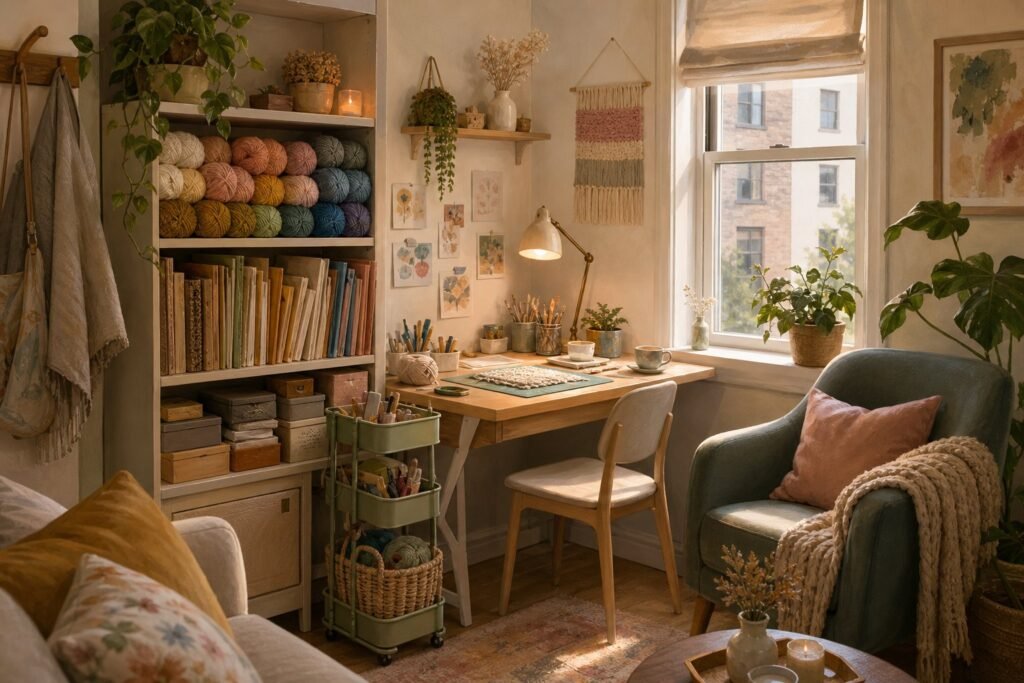
Sessions should match the time you really have.
Your home should accommodate the craft without stress.
The first projects should be affordable.
Ongoing materials should be easy to find and affordable.
The craft should deliver what you want from it.
Why a Creative Hobby Is Worth the Effort
There is good reason to stick with it. The NHS lists learning new skills among its five steps to mental wellbeing, noting that picking up something new can boost self-confidence and give a sense of purpose. A creative hobby such as a craft is one of the easiest ways to keep learning at home.
Research backs this up. A study from Anglia Ruskin University found that people who take part in arts and crafts report higher life satisfaction and happiness, with an effect on feeling that life is worthwhile comparable to having a job. You do not need to be skilled for this benefit; the act of making is what matters.
Seasonal Crafts and Keeping Your Hobby Going
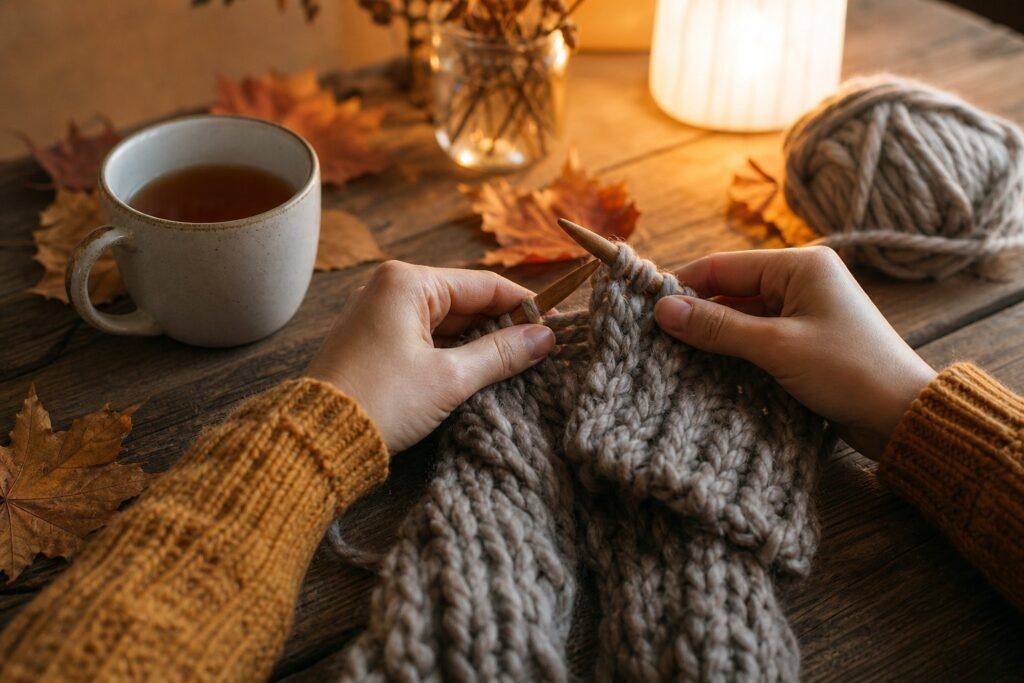
The seasons can help you stay motivated. Autumn and winter suit cosy fibre crafts and handmade gifts, spring is a natural time for paper flowers and painting, and summer suits outdoor sketching or crafts that need good ventilation. Planning a small seasonal project gives you a reason to return to your craft hobby throughout the year.
Look after your tools and supplies between projects. Keep yarn away from moths, store paper flat and dry, clean brushes straight after use, and seal clay so it does not dry out. Well-kept supplies last longer and make it easier to start again after a break.
It is also fine to change your mind about your craft hobby. Many crafters try several hobbies before settling on one, and skills often carry over. A knitter who moves to crochet already understands yarn, and a card maker who tries painting already has a feel for colour and layout. Nothing you learn is wasted.
Some crafts involve sharp blades, hot tools, heat-set materials or fumes. Read the instructions for any material, work in a ventilated space where needed, and keep tools and supplies out of reach of young children and pets.
Choosing a Craft Hobby: FAQs
What is the easiest craft hobby for a complete beginner?
Paper crafts, crochet and simple watercolour painting are among the easiest to start because they need few tools, little space and offer quick, finishable first projects.
How much should I spend when starting a new craft?
Keep your first spend small and buy only the basics for one project. Borrow tools or buy second-hand until you know you enjoy the craft.
How do I know if a craft is right for me?
Finish three or four small projects. If you look forward to sessions and enjoy the process, not just the result, it is a good fit.
Which crafts suit a small home?
Knitting, crochet, embroidery, paper crafts, sketching and watercolour are compact and pack away quickly, making them ideal for small spaces.
Can I do more than one craft at a time?
Yes. Many crafters keep a portable craft for travel and a bigger one for home. Just add new crafts gradually so supplies do not pile up.
Finding Your Craft
- Start with your goal and real-life limits
- Test crafts with tiny, finishable projects
- Avoid buying everything at once
- Give each craft a fair chance
The right craft hobby is the one that fits your goals, time, space and budget, and that you enjoy doing. Shortlist a few options, test them cheaply with small projects, and commit to the one you look forward to.
- Write down your goal, time and space
- Pick two crafts to try this month
- Finish one small project in each