The most personal gift often begins with an ordinary habit.
A birthday is on Saturday, and the first knitted scarf is only halfway done. Rather than rush it, a beginner could make something smaller that fits the recipient’s life: a jar of spiced sugar for someone who bakes, or a simple bookmark for someone who always has a novel open.
Finished and useful beats ambitious and almost done. A neat label can make an edible gift feel complete; a clean edge and careful wrapping can do the same for a sewn or paper gift. If the recipient has little space, something to eat or use up may be kinder than another object to display. A keepsake makes more sense when it recalls a shared place, date, or joke.
Start with the person, not the project
-
01A reason to keep it
A useful gift should suit a habit the recipient already has, such as reading or cooking. A keepsake works better when it recalls a shared place or occasion.
Look forA familiar use or a specific memoryAvoidAn object that needs a new hobby or display space -
02Enough time to finish
A short project with a few repeatable steps leaves room to fix mistakes and wrap the gift. Drying or curing time counts too.
Look forSimple steps and a realistic finish dateAvoidA first attempt that depends on perfect timing -
03Materials already close at hand
Check the supplies available before choosing a craft. Fabric scraps, paper, or a plain jar can become a gift without buying tools for one use.
Look forMaterials and tools already availableAvoidSpecialty supplies for a single gift -
04A safe trip to the recipient
If the gift must travel, choose something light and easy to pack. Soft edges, uneven stitching, or a hand-lettered label can look intentional; fragile finishes are harder to protect.
Look forSturdy shapes and forgiving finishesAvoidDelicate pieces that need careful handling
Five gifts worth making first
These projects need only a few materials, and none depends on a perfect finish. The best choice is one the recipient can use, display, or enjoy without extra work.
- Recipe cards: Copy two or three reliable recipes onto sturdy cards, then tie them with string or tuck them into an envelope. A beginner can focus on neat lettering rather than a new craft technique. This suits someone who cooks, especially when the recipes come from meals shared together. Include cooking times and serving sizes.
- Decorated plant pot: Paint a plain terracotta pot with simple stripes or dots, or wrap it with twine. Let paint dry before adding a small plant. A window with suitable light and a recipient who enjoys caring for plants matter more than elaborate decoration; a pot on its own can also hold pens.
- Fabric sachet: Fill a small fabric pouch with dried lavender or cedar shavings and tie it closed with ribbon. No sewing is needed if a drawstring pouch is used. It makes a compact gift for someone who likes scented drawers, but an unscented version with a small keepsake inside works better for scent-sensitive recipients.
- Flavored sugar or spice blend: Mix cinnamon into sugar for toast, or combine familiar dried spices for roasted vegetables. Spoon the mixture into a clean, dry jar and add a label with ingredients and a suggested use. This is quick to make for a keen cook, provided the ingredients fit their diet and tastes.
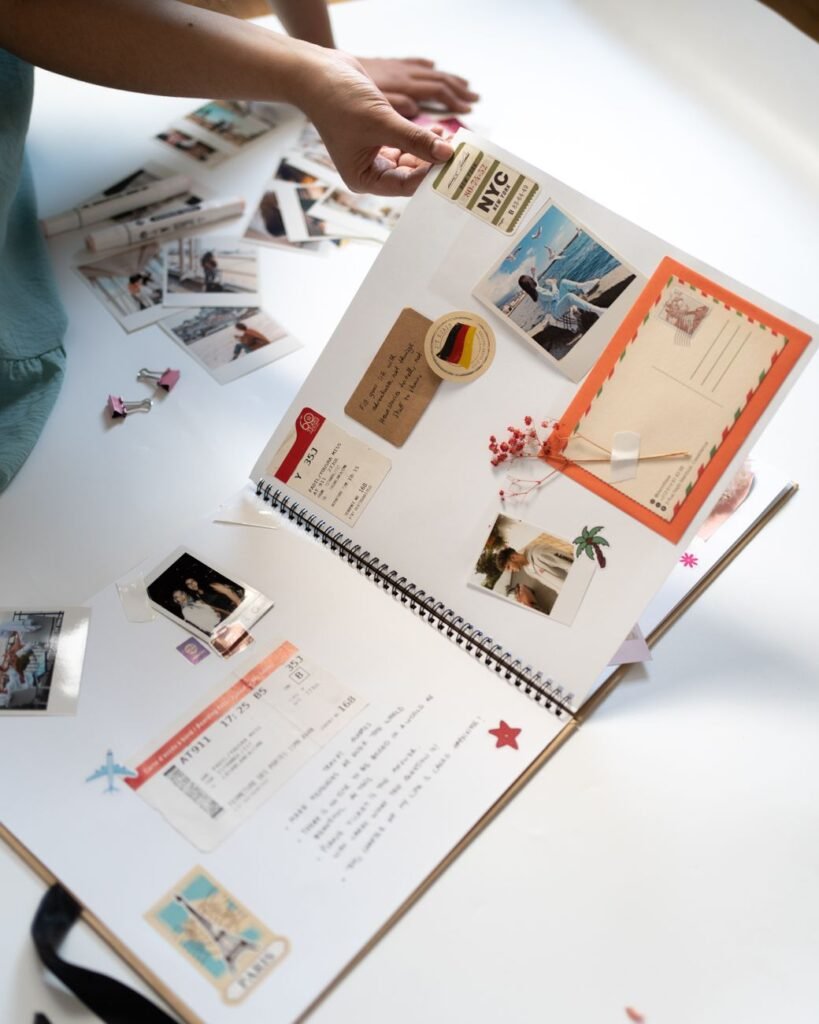
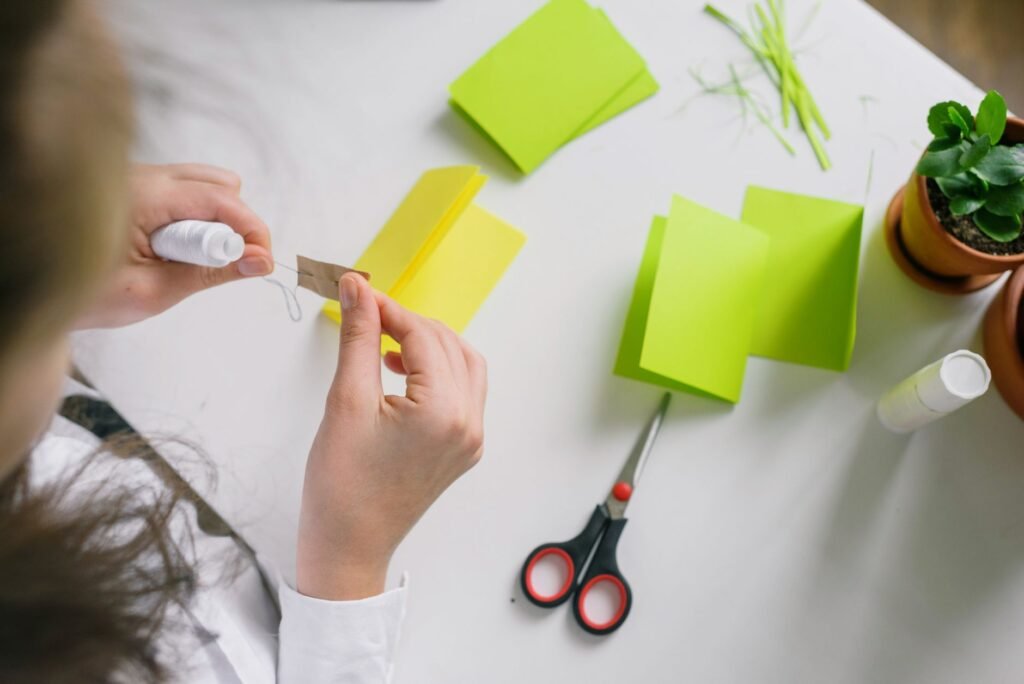
- Small memory booklet: Fold a few sheets of paper, staple along the crease, and fill the pages with photos, ticket stubs, or brief captions. It takes little equipment and feels personal without requiring long-form writing. A friend or relative who enjoys looking back on shared outings may appreciate it most.
For food gifts, ask about allergies and dietary restrictions; label every ingredient. For a planted pot, check available light and watering habits, and choose a plant the recipient can comfortably maintain.
Gifts for parents and grandparents
A good family gift fits into an ordinary day. Before choosing a project, consider what the recipient is likely to use, share, or keep.
- For a mom who wants less stuff: Make a small batch of her favorite cookies or a jar of homemade granola, with ingredients and the date written on a tag. A handwritten invitation to share them over tea makes the gift an occasion rather than another object to store. Check for allergies before choosing a recipe.
- For a practical dad: Sew a simple drawstring bag for charging cables, or cut a sturdy fabric square to use as a workbench cloth. Choose dimensions based on what he already carries or works on. A plain, durable finish matters more than decoration; skip a monogram if it would make the item harder to wash.
- For grandparents: Copy a family recipe onto a card and note whose recipe it is, along with a detail such as when it was usually served. Alternatively, gather a few short family memories in a small booklet. Label each story with the speaker and approximate year, and leave room for corrections or additions.
For recipes and memories, ask relatives about uncertain details rather than guessing. The handwritten notes will still feel personal without pretending every date or measurement is exact.
Gifts for teachers, new parents, and departing friends
A teacher gift works best when it asks for little in return. A student-written note tucked into a simple handmade card is personal, easy to keep, and inexpensive. If adding a treat, label the ingredients and avoid assuming it can be shared in class. A small gift is enough; teachers may receive many at once.
For new parents, make something that helps the adults through an ordinary day rather than adding to the pile of baby gear. A batch of freezer-friendly muffins or soup, packed in single-meal portions with ingredients and reheating instructions, can be useful if food preferences are known. Otherwise, a handwritten offer to handle a specific errand—such as picking up groceries—is more considerate than a vague promise to help.
A friend who is moving needs less to pack, not one more bulky keepsake. A bookmark marked with a shared place, a small photo print, or a few favorite recipes on cards can travel in an envelope. If the departure is close and making something feels rushed, ordering from a handmade seller is a reasonable choice. Check the maker’s production time and delivery estimate before choosing anything personalized.
Make it personal with one small detail
A personal gift does not need a portrait or a complicated craft. One detail—a favorite color, a weekend pastime, a shared date, or a meaningful place—can make a simple project feel unmistakably meant for its recipient.
For a partner who loves movie nights, a themed snack kit could pair favorite treats with a handwritten card naming the film to watch together. A familiar hiking spot could inspire a trail-day kit with snacks and a note recalling a particular walk. Choose items the recipient already enjoys rather than buying supplies simply because they match the theme.
For an anniversary, try milestone notes: write three to five short memories on separate cards, add dates where known, and tie them with ribbon. A first meal together or a small everyday kindness often says more than a broad declaration. If dates are uncertain, name the moment instead of guessing.
These are beginner projects that can be assembled at home. A custom pet portrait, engraved tag, or made-to-order dog accessory is different: it needs ordering time. Check the maker’s production and shipping estimates, and confirm the pet’s name, photo requirements, and size before placing an order.
Let one detail do the work
A simple gift does not need a portrait, elaborate packaging, or a long inscription. A plain notebook becomes more thoughtful with a favorite phrase written on its first page; a jar of homemade granola feels considered with a handwritten label naming the flavor and the day it was made. The detail should fit the person, not just decorate the gift.
For a candle, choose a scent the recipient already enjoys rather than guessing. For something less obvious, tuck in a short note explaining the choice: “These blue coasters reminded me of your kitchen.” The note gives an ordinary object a story without asking the recipient to display a sentimental keepsake.
There are plenty of ways to add meaning without a photo. A familiar color, saying, or routine is enough: pick one detail, make it clear, and stop there.
Leave time for the gift to become gift-ready
-
01Choose for the actual deadline
A one-evening gift should be simple to make and quick to finish, such as a handwritten recipe card or a small assembled kit. Painted, glued, or sewn pieces may need another day before they can be handled or packed.
-
02Make a test or keep a spare
Try one batch of a new recipe before making the gift batch. For small paper or sewn items, an extra piece leaves room to replace a smudge or crooked seam.
-
03Let everything dry or set
Check that ink will not transfer, glue holds, and paint no longer feels tacky before wrapping. A gift finished late at night can still need until morning to be ready.
-
04Wrap for a pleasant handoff
A clean box, paper band, or tied cloth can make a simple gift feel finished. Add a short note or care instructions where they would be helpful.
-
05Pack separately for travel
Presentation wrapping is not shipping protection. Cushion fragile pieces inside a sturdy outer box, fill empty space, and check that nothing shifts when the box is gently moved.
Before starting, write down how the recipient will use the gift: a coaster beside a favorite reading chair, for example. Choose one simple project that fits that use, then list the materials on hand and anything still needed. Note the date it must be mailed or handed over, allowing time to finish and wrap it. If the schedule looks tight, simplify the design. A neatly finished gift that suits the recipient is better than an ambitious one left incomplete.