An introduction that hooks you fast: imagine turning your seasonal whimsy into a reliable side hustle without selling your soul to the grind. Yes, it’s possible to cash in on crafts you already love, year-round. Let’s dive into practical, friendly steps to make that happen.
Start with a Clear Niche You Actually Enjoy
What seasonal crafts do you genuinely like? If you dread winter wreaths, don’t force them. Be honest about what excites you; that energy sells. Narrowing your focus helps you stand out and reduces decision fatigue.
Find the sweet spot
– List your top five crafts you’d happily do every week.
– Check what’s not oversaturated in your market.
– Pick a core product to anchor your shop or service.
Build a Simple, Repeatable Process
People love consistency. Create a routine that makes production predictable, not stressful. Map a basic calendar: one weekend for sourcing, one for production, one for listing and marketing.
A sample weekly rhythm
– Monday: source materials and batch prep
– Wednesday: assemble and finish products
– Friday: photograph, write listings, schedule social posts
– Sunday: recap and plan for next week
Turn Seasonal Goods Into Evergreen Offerings

Seasonal items can jumpstart your momentum, but you want longevity. Think of add-ons, tweaks, or complementary products that keep sales steady.
Ways to evergreen your crafts
– Create a core line that uses the same technique with different colorways.
– Add “off-season” color palettes that feel seasonal but aren’t tied to a holiday.
– Offer customization options that can apply year-round (initials on a mug, custom colors, etc.).
Pricing That Keeps the Lights On
Pricing is where many makers trip. You deserve to get paid fairly for your time and materials without scaring away buyers.
Simple pricing framework
– Material cost: calculate exact spend per item
– Labor: assign a value to your time (hourly rate or per-piece rate)
– Packaging and shipping: don’t forget these sneaky costs
– Profit margin: aim for at least 40-60% after costs
– Testing phase: try a few price points, track conversions, adjust
Market Smarter, Not Harder
You can be everywhere, but you don’t need to be. Start with two solid channels and grow from there.
Pick your playgrounds
– Online marketplace storefronts (Etsy, Shopify, etc.)
– Social selling (Instagram, TikTok, Pinterest)
– Local venues (craft fairs, farmers markets, pop-ups)
Content that actually converts
– Behind-the-scenes reels showing your process
– Short tutorials that end with a soft pitch
– Customer spotlights and reviews
– FAQ-style videos addressing common questions
Seasonal Catalogs That Don’t Break the Budget
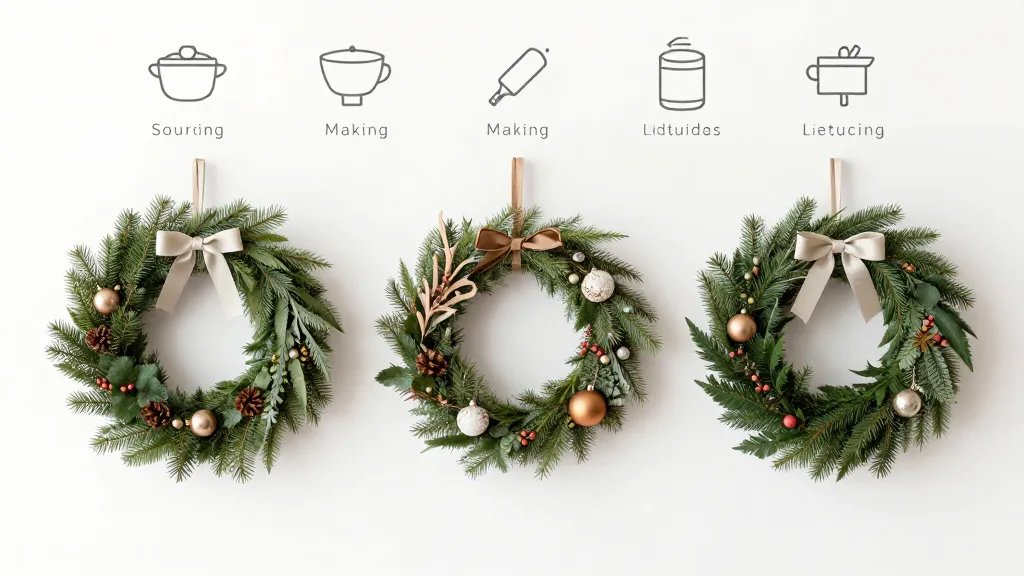
A well-curated catalog can drive repeat purchases. Don’t throw everything at the wall; curate with intention.
Catalog strategy
– Start with 6-12 core items you can reproduce reliably
– Add 3-6 seasonal variations per year
– Keep a running “next season” wishlist for quick production when sales heat up
Scaling Without Burning Out
Scaling is not a sprint; it’s a marathon with a few shortcuts. You want growth that sticks and isn’t a burnout factory.
Smart delegation and automation
– Batch tasks to minimize setup time
– Use templates for product descriptions, emails, and posts
– Consider outsourcing repetitive bits (packing, simple assembly)
FAQ
What if my seasonal crafts don’t sell year-round?
If sales dip off-season, pivot to limited-time collections or bundles. Offer gift-ready options for holidays that aren’t tied to a specific season. FYI, bundling items often increases average order value.
How do I price handmade items without undervaluing my work?
Start with a transparent cost breakdown: materials, labor, packaging, shipping. Add a fair profit margin and test different price points. Remember, premium positioning can justify higher prices if your branding is strong.
Is it worth opening multiple sales channels?
Yes, but start with two you actually enjoy managing. Etsy plus a simple Shopify setup can cover a lot of ground. Don’t spread yourself too thin before you’ve stabilized one platform.
How do I keep customers coming back?
Email lists, post-purchase follow-ups, and loyalty offers work wonders. Share new ideas, behind-the-scenes looks, and early access to seasonal drops. IMO, a personal touch beats pushy marketing every time.
What if I have no big budget for marketing?
Leverage organic content, community groups, and collaborations. Co-create with other makers or local businesses. Small, consistent effort beats sporadic spending every day of the week.
Conclusion
Turning seasonal crafts into yearly income isn’t magic; it’s a plan you actually follow. Start with a niche you love, establish a repeatable process, and price smartly. Build a tiny, focused catalog, market thoughtfully, and scale at a pace that feels good. If you’re asking yourself, “Can I really pull this off?” the answer is a confident yes—you just need to start. FYI, consistency beats intensity, and joy sells better than guilt-driven hustle. You’ve got this.