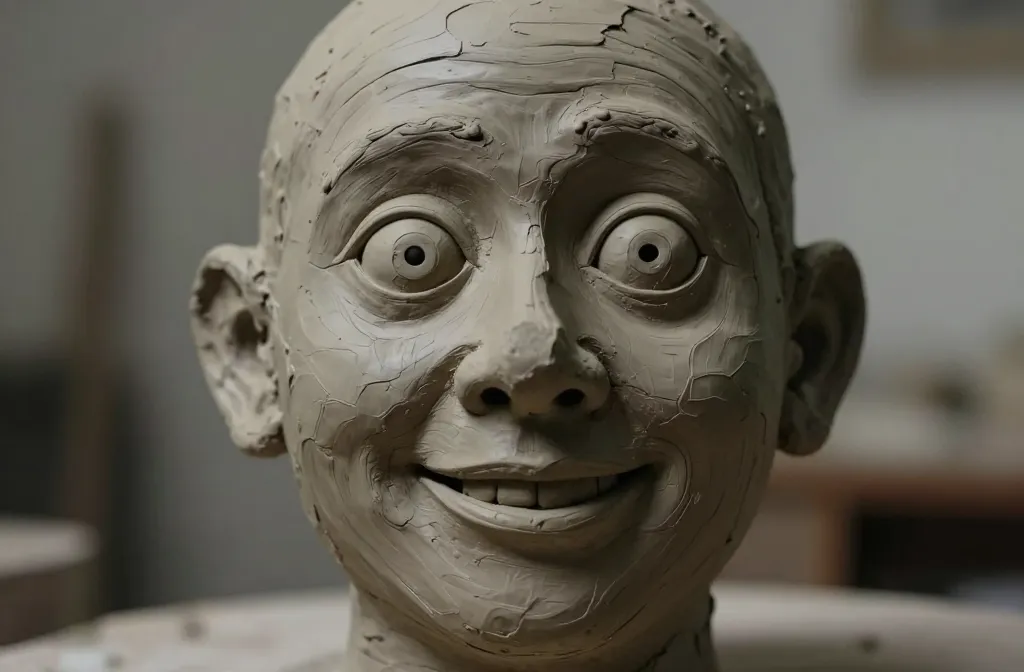
Let’s cut to the chase: faces sell the character. A curious eyebrow raise, a sly smile, or a wink that says “oops, I did that” can transform a clay figure from nice to unforgettable. Grab your tools, because we’re diving into the fun, messy world of expressive clay faces.
Start With the Core Expressions You Want to Convey
Before you sculpt a single lip or eyelid, lock down the emotions you’re aiming for. Do you want warmth, mischief, or pure astonishment? Jot down a quick list of 3–5 core expressions and map out the key features for each. This gives you a north star and keeps your characters consistent.
Identify the Big 3 Features
- Eyes: shape and size communicate most of the emotion. Wide vs. narrow, open vs. half-closed, round vs. almond.
- Eyebrows: leverage the drama. A single lift or a heavy arch can change the entire mood.
- Mouth: the smile line, the curve, and the set of the lips tell the story loudly.
Design the Eyes First, Then Build the Rest
Eyes are your character’s Instagram—people notice them first. Start with the eye sockets and then carve or place the eyes in a way that supports the emotion. If you want a surprised look, push the lids wide and set the brows high. If you crave mischief, tilt a lid and curl a sly grin upward.
Tip: Use Symmetry as a Tool, Not a Rule
Clay can bend, warp, and sigh with you. Perfect symmetry looks staged; tiny asymmetries feel alive. Leave one eyelid a touch heavier or a wrinkle line off-center for character that feels real.
Play the Mouth Like a Musical Instrument
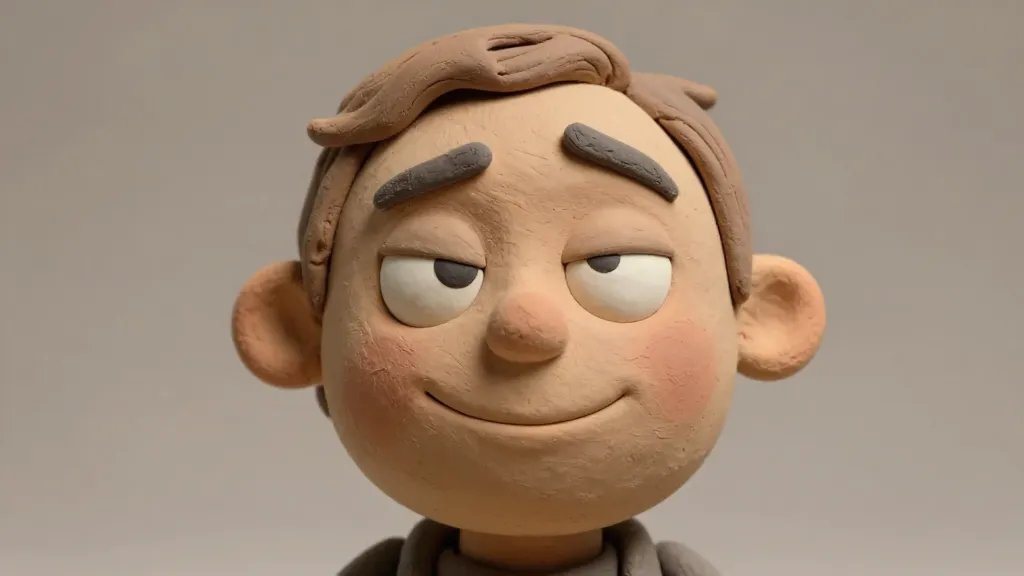
The mouth is the punchline holder. A tiny change can flip the emotion from “delight” to “drama.” Start with a simple base shape (smile, frown, neutral) and then tweak the corners, the lip thickness, and the chin engagement to support the facial story.
Subtle Variations That Pack a Punch
- Curl at the corners for lighthearted characters
- Direct, wide mouth for bold, fearless types
- Asymmetric lips for sly or conflicted vibes
Eyebrows: The Quick Mood Dial
People read eyebrows before they notice the rest of the face. A small tilt or a lifted edge can shift the entire mood. Don’t fear exaggeration—clay can handle it, and animation-friendly exaggeration often reads better from a distance.
Shapes to Try
- High arched brows with a slight forward tilt for surprise mixed with curiosity
- Flattened, straight brows for stoicism or skepticism
- One raised, one lowered for a quirky, conflicted character
Texture, Depth, and Tiny Details That Elevate Expressiveness
Flat clay faces read as flat. Add depth with subtle wrinkles, dimples, and surface texture. These details catch light and give your sculpture character without stealing the spotlight from the facial features.
Where to Add Texture
- Under the eyes for tired or wary vibes
- Around the mouth for smile lines or creases when talking
- On the eyelids and brows to enhance expression
Practice Scenarios: Quick Drills to Build Expression Muscle
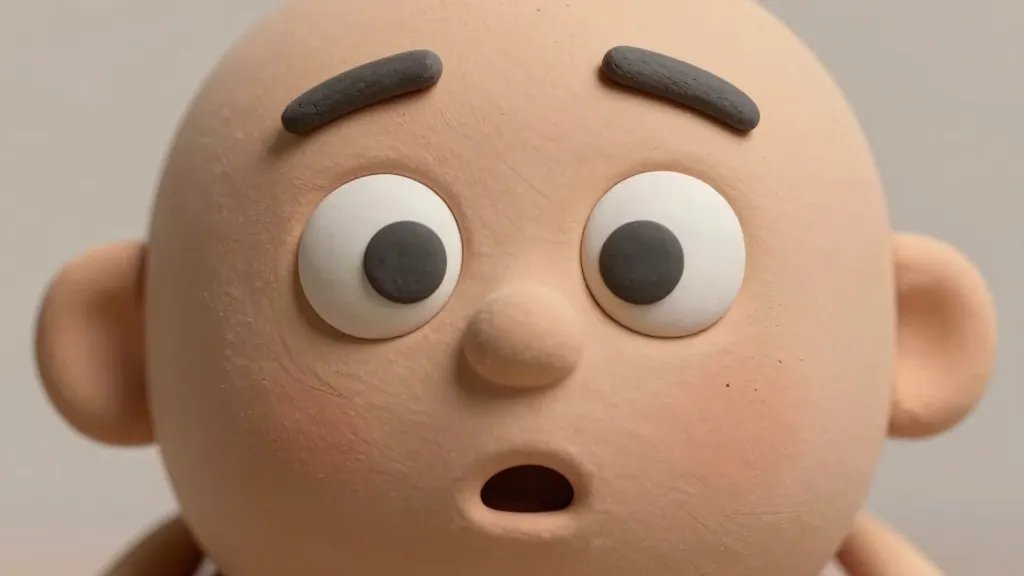
Practice makes expressive. Try these quick drills to train your hands to translate emotion into clay:
- Make three versions of the same character: happy, worried, and mischievous. Compare what changed and why.
- Blind sculpt the face: close your eyes and shape the eyebrows and mouth to match a feeling you’re thinking of. Then open your eyes and adjust.
- Do a “pocket test”: place the sculpture in a small box and observe how lighting changes perceived emotion. Adjust contours accordingly.
Naming Your Characters’ Expressions: A Small Guide
Giving your expressions a name helps you stay consistent across scenes and pieces. Try terms like “Sunny Smirk,” “Over-the-Shoulder Gaze,” or “Surprised Blink.” It’s silly, but it keeps you honest and playful.
How to Use Names in Future Work
Keep a simple journal or mood board where you attach a name to a set of features. When you reuse a character in a new sculpture, you can reproduce the same expression quickly with confidence.
Common Pitfalls and How to Avoid Them
We’ve all glued on a perfect eye and then realized the mouth betrays the emotion. Here are quick fixes to keep expressions honest.
Over-Extravagant Features
Big eyes and huge smiles read as cartoony rather than expressive. If your piece is meant to be quiet or nuanced, scale back by a notch or two.
Flat, Dead-Looking Skin
Texture saves the day. A little roughness around the cheeks or fine lines can make a lifelike difference.
FAQ
Why do eyes often carry the most emotional weight in clay figures?
Eyes are our primary social cue reporters. They convey fear, joy, curiosity, and sadness even when other features stay calm. Focusing on eyes helps your character communicate instantly.
Should I use different clays for the face to add depth?
Yes. A slightly softer clay allows for subtle sculpting of eyelids and wrinkles, while a firmer clay holds sharp features like creases and brows. You can also use underlayers or slip to create deeper lines without compromising the main shape.
How can I practice without burning through materials?
Do quick, small studies: 2–3 inch heads with varied expressions. It’s cheaper, faster, and you’ll learn quicker. FYI, you’ll likely make a lot of “practice pieces” before you land something you love.
What’s the easiest way to fix a misread expression after it’s baked?
In many cases, you can either replace a mouth line with a new layer of slip and carve once it’s leather-hard, or you can add props (like a hand to cover a grin) to shift perception. If you’re clear about where things went off, you can salvage most faces with a little creativity.
Can I animate a clay face with moving parts?
Absolutely. Add a pegged head, a removable jaw, or even separate eyelids that can be swapped to switch emotions. It’s not only playful; it opens up striking storytelling possibilities for stop-motion or display pieces.
Conclusion: Let Your Clay Faces Speak Louder Than Words
Expressive faces aren’t magical sorcery; they’re practice and patience with a dash of bold experimentation. Start with the eyes, anchor the mouth to the emotion, and let the eyebrows do the talking. FYI, the best characters evolve as you grow more confident—dance with your clay and let the faces find their voice.