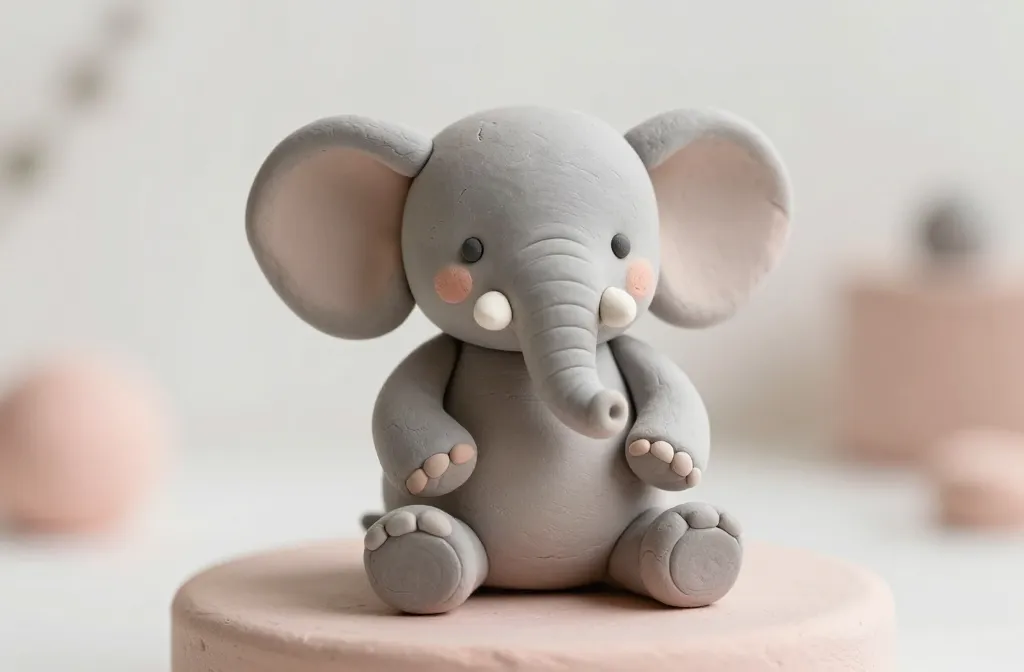
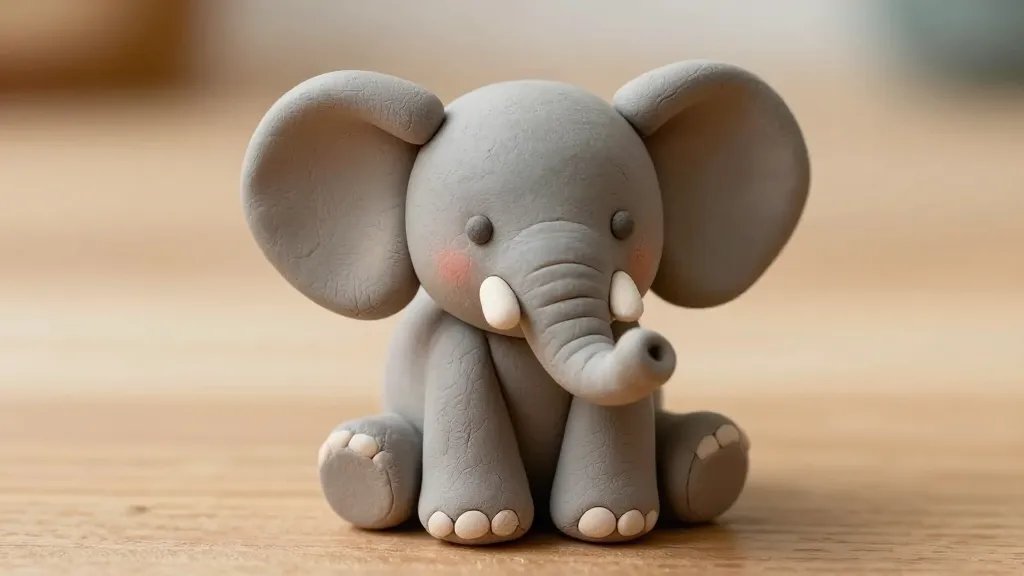
An tiny sculpture can say more than a thousand photos. Meet the cute baby elephant clay figure that’s taking internet cuteness by storm. It’s simple, charming, and oddly satisfying to look at. Ready to dive into why this little guy is stealing all the limelight?
What Makes a Baby Elephant Clay Figure So Irresistible
– It’s not just the shape; it’s the vibe. The rounded belly, floppy ears, and tiny trunk give it instant personality.
– The color palette matters. Soft grays, warm pinks in the cheeks, or a playful pastel set the mood.
– Scale is friendly. A figure that fits in your hand invites touch, thinking, and display.
Materials and Tools You’ll Want to Try
- Air-dry clay or polymer clay — your pick, depending on how long you want it around.
- Clay shaping tools: a gentle knife, needle tool, and a small rolling pin.
- Wire for a hidden armature if you want extra poseability, or skip it for simplicity.
- Sealant or varnish to keep it fresh and smudge-free.
- Paints and brushes or fine-tipped markers for tiny details.
FYI, you don’t need fancy gear to start. A kid-friendly set can do fine, and a toothpick works wonders for those delicate wrinkles.
The Step-By-Step: How to Craft Your Own Cute Baby Elephant
1. Sketch the silhouette in your mind
Think round and friendly. Start with a chubby oval for the body, a smaller circle for the head, and a tiny circle for the trunk’s tip. Don’t overthink the pose—cute often comes from a natural, relaxed stance.
2. Build a simple armature
If you’re going the extra mile, thread a thin wire through the body for support. Keep it gentle; you’re aiming for flexibility, not a rigid statue.
3. Shape the ears and trunk
Ears should be big and floppy, almost leaf-like. The trunk can curve playfully; a little curl at the end looks super endearing. Add tiny tusk hints if you’re feeling bold—just a faint line will do.
4. Texture and expressions
Lightly press with a needle to suggest wrinkles. A tiny dot for an eye (or two pencil dots) adds personality. A tiny blush on the cheeks never hurts—subtle is best.
5. Bake or dry
Follow your clay’s directions. Air-dry clay needs patience; polymer clay bakes faster but watch timing and temperature. Either way, let it rest before painting.
Painting Tiny Details Without Frustration
– Start with a base coat, then add shadows to create depth. A tiny brush makes a big difference.
– Keep the color palette cohesive. A single accent color can make features pop.
– Seal the finish after painting to protect the details from smudges and dust.
Color ideas to spark your creativity
– Classic gray with pink cheeks for instant cuteness.
– Soft lavender or teal for a dreamy, whimsical vibe.
– Multicolor patchwork style for a playful, artsy look.
Display Ideas That Maximize the Cute Factor
- On a tiny pedestal or a stack of books for a charming display.
- With a mini grass mat or felt ground to give a playful scene.
- As part of a larger clay safari diorama—cue the tiny trees and rocks.
Tips for Making It Your Own
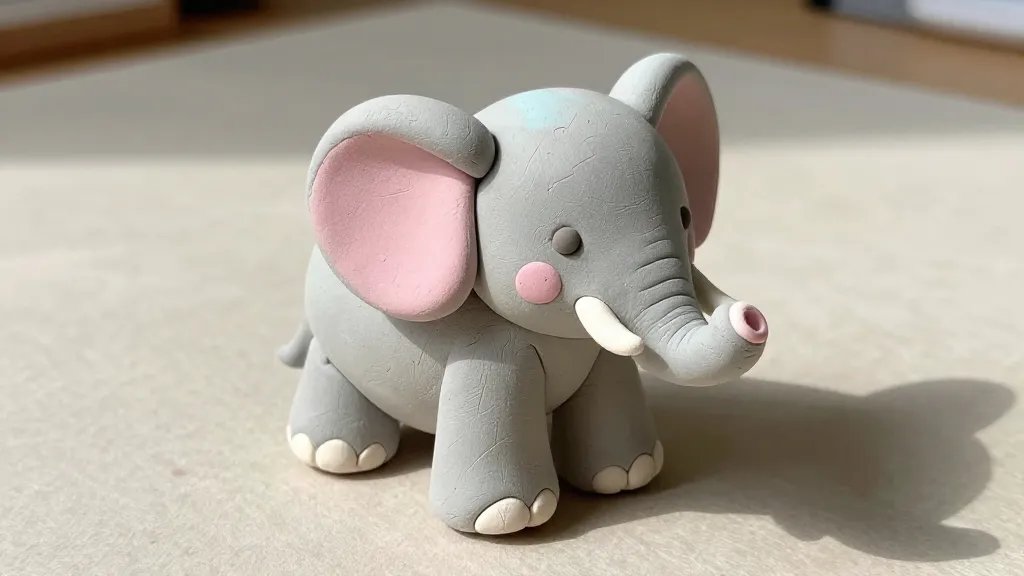
- Experiment with proportions. A bigger head or shorter limbs reads as extra adorable.
- Give it a tiny accessory—a bow, a scarf, or a little blanket draped over the back.
- Keep a consistent light source when painting to ensure shadows feel natural.
Common Mistakes and How to Avoid Them
- Rushing the drying process. Patience yields smoother surfaces and fewer cracks.
- Overworking the clay. It loses a lot of its charm when it becomes stiff and flat.
- Skipping sealing. A sealant not only protects but enhances color depth.
Care and Longevity: Keeping Your Baby Elephant Happy
- Dust lightly with a soft brush. Don’t spray cleaner directly on painted surfaces.
- Store away from direct sunlight to prevent color fading.
- A quick re-seal every year or so keeps the shine intact.
Mini Gallery: Real-life Creations That Will Make You Smile
People send in all kinds of baby elephant clay figures, from minimalist silhouettes to goofy, goofy expressions. The common thread? They all radiate joy. If you’re feeling stuck, look to these tiny masterpieces for inspiration, then make it your own with a quirky detail or two.
FAQ
What is the best clay for beginners making a baby elephant figure?
Air-dry clay is forgiving and forgiving is the key for newbies. Polymer clay is great if you want durability and faster finishing with baking, but it requires a proper oven-safe set of instructions. Start with air-dry to learn shapes and textures, then graduate to polymer if you crave a lasting sculpture.
How long does it take to complete a simple baby elephant figure?
Most beginners can finish a simple piece in about 1–3 hours, including drying time. If you’re aiming for tiny details and a paint job, plan for a few more sessions. FYI, breaks help your brain reset and your hands stay steady.
Can I customize the elephant with patterns or accessories?
Absolutely. Patterns, tiny hats, scarves, or flowers tucked behind an ear all add personality. Just keep the color palette harmonious to avoid visual chaos.
What finishing touches make the sculpture look more polished?
A thin, matte sealant gives the piece a soft, finished look. If you want a bit of sheen, a satin finish can enhance color depth without feeling glossy.
How should I store my finished clay figure?
Store in a cool, dry place away from direct sunlight. A display cabinet or a dedicated shelf keeps the piece safe from dust and curious hands.
Conclusion
Creating a cute baby elephant clay figure is basically therapy with a tiny trunk. It’s satisfying, portable, and totally shareable. Whether you’re crafting it for yourself, a friend, or a classroom project, this little sculpture brings smiles. So grab your clay, channel your inner sculptor, and make something that’s adorable enough to melt even the grumpiest cat. Ready to start? IMO, you totally are.