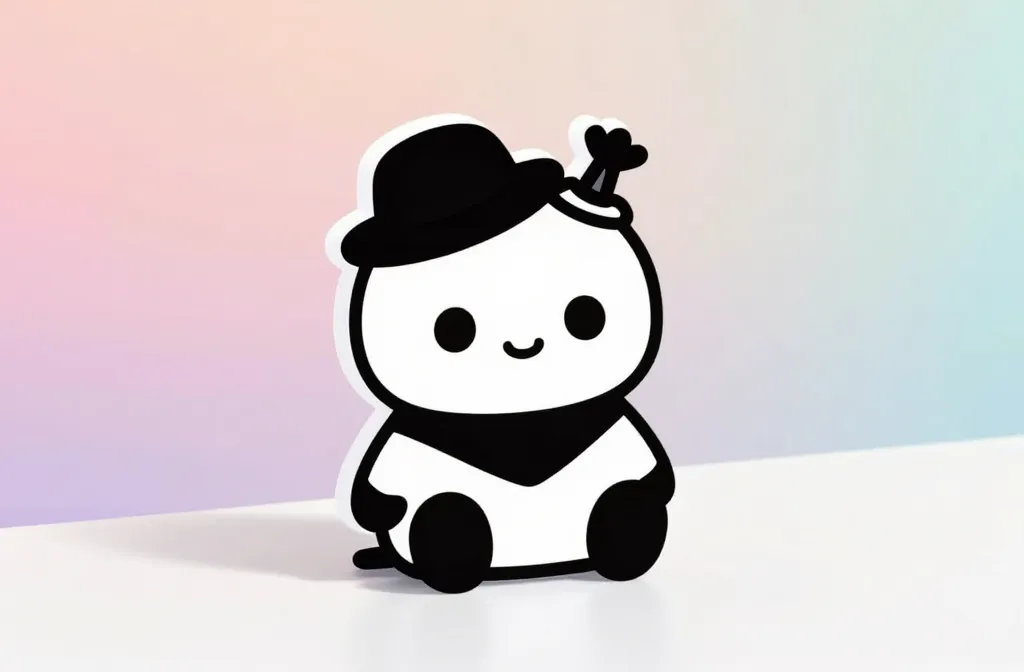
An idea is buzzing in your head, a tiny character waiting to be brought to life. Let’s cut the fluff and get you crafting a mascot that’s genuinely lovable, uniquely you, and totally shareable. Ready to dive in? Let’s go.
What Makes a Mascot Feel Like “You”?
Crafting a mascot isn’t about chasing the latest trend; it’s about capturing your vibe in a pocket-sized friend. Start by defining three things:
- Purpose: What should this mascot do for your brand or project?
- Personality: Is it cheeky, wholesome, or unexpectedly bold?
- Visual signature: A color palette, a quirky accessory, or a distinctive silhouette?
Ask yourself simple questions: If your mascot had a favorite snack, what would it be? If it talked, what would its voice sound like? FYI, these tiny cues compound into a memorable character.
Sketch the Core Silhouette
A strong silhouette is the secret sauce. It helps people recognize your mascot from a distance, even in tiny thumbnails. Try these steps:
- Start with a basic shape—circle, oval, or square—that matches your vibe.
- Layer in a defining feature: big ears, a tail swoosh, or a signature hat.
- Keep it readable at small sizes. If you can’t tell what it is in a 32px icon, redo the silhouette.
If you’re not an artist, no problem: doodle with a marker, snap photos, and mash variants. The process is more important than perfection.
Color Play and Visual Language
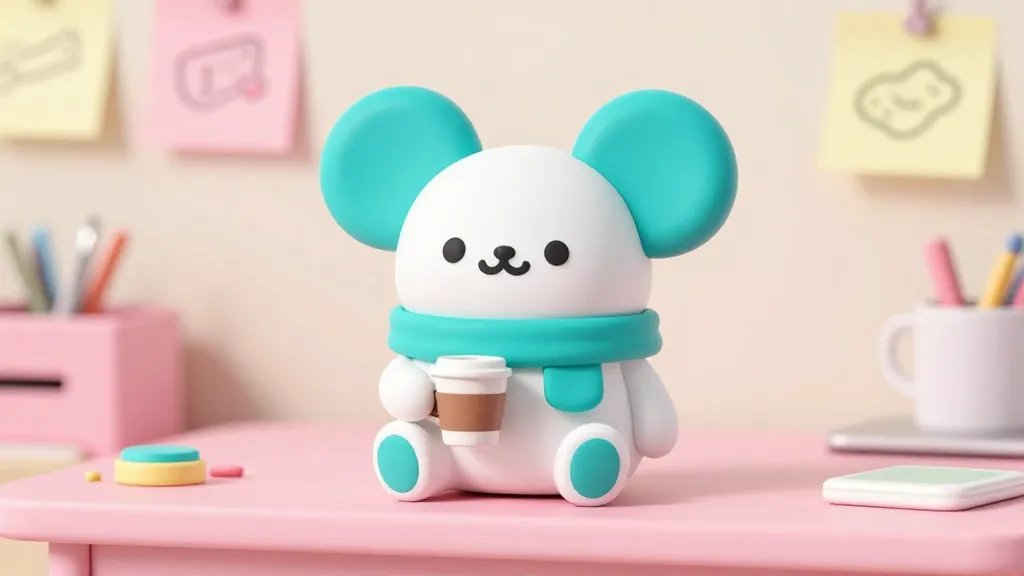
Colors communicate instantly. Pick a primary, a secondary, and a little accent. Pro tips:
- Use high-contrast combinations so the mascot pops on dark, light, or busy backgrounds.
- Limit yourself to two or three main colors to stay cohesive.
- Add a splash of personality with a pattern (spots, stripes, or a subtle gradient).
Remember, color should echo your brand or vibe, not just look cute. If your mascot wears a scarf, let the scarf color tie into your scheme.
Characterful Proportions: Cuteness Without Clutter
Cute is all about proportion. Oversized eyes and tiny limbs spark relatability, but don’t overdo it. Try these balance ideas:
- Head-to-body ratio: A bigger head often reads as friendly and approachable.
- Limbs: Short and stubby limbs read playful; long limbs feel dynamic.
- Texture: A soft, rounded body reads cozy; add a small detail like a whisker or fin to give personality.
If you’re aiming for a mascot with mass appeal, lean into approachable proportions and a few bold features.
Outfit, Accessories, and Signature Moves
Accessories and motion vectors bring life to a mascot. Consider:
- Outfit: A tiny cape, a hat, or a badge can tell a story without words.
- Accessory language: A scarf that flutters when “excited” or a backpack that grows as you grow your project.
- Signature pose: A wave, a peace sign, or a bounce that becomes your logo’s repeated moment.
Crucially, keep accessories minimal—every extra bit adds a potential clutter risk when the mascot gets scaled down.
From Sketch to Digital: Quick Wins for the First Version
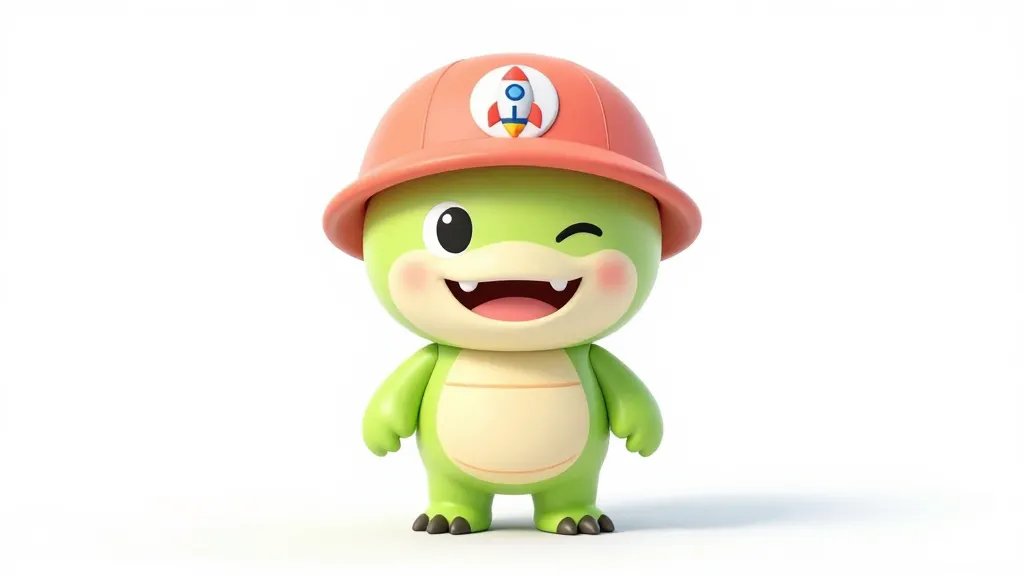
You don’t need a fancy studio to get moving. A simple pipeline works:
- Scan or photograph your sketch. Trace with a vector tool (Inkscape, Illustrator) for clean lines.
- Limit stroke weight to keep the silhouette readable at small sizes.
- Test in different contexts: website header, social avatar, merchandise mockups.
FYI, vector files scale without losing quality—super useful for future merch or large banners.
Storytelling: Your Mascot as a Friend, Not Just a Logo
People connect with stories, not just shapes. Build a tiny backstory:
- Origins: Where did your mascot come from? A playful moment or a quirky invention?
- Motivation: What does it love to do, and how does it help your audience?
- Catchphrases or quirks: A recurring line or a ritual that fans recognize.
This narrative thread makes your mascot memorable beyond its visuals.
Subsection: Voice and Tone
When your mascot “speaks,” keep a consistent voice. Friendly, a touch witty, and never harsh. If your brand voice skews youthful, your mascot can be a tad goofy. If you want trust and authority, keep the humor light and the messaging clear.
Testing and Iteration: Don’t Ship the First Sketch
The best mascots evolve. Try quick test runs:
- Share rough versions with trusted friends or followers and collect feedback.
- Check legibility in grayscale. If it still reads, you’re golden.
- Prototype across media: social posts, sticker sheets, and a mini-website banner.
Iterate with intention. Tiny tweaks can turn good into iconic.
Where Your Mascot Lives: From Digital to Real-World Touchpoints
A mascot should feel at home wherever it appears:
- Website and apps: a friendly avatar, loading animations, or a “helpful helper” icon.
- Merch and packaging: stickers, pins, and enamel pins with crisp lines and bold colors.
- Events and signage: a bigger-than-life cutout that invites selfies.
Plan for scalability from the start; it saves headaches later.
FAQ
What software should I use to design my mascot?
Use beginner-friendly tools to start: vector-based programs like Inkscape or Illustrator work well for clean lines. If you’re more comfortable with pixels, Procreate or Photoshop can help you flesh out concepts before vectorizing.
How do I know if my mascot is too cute or not cute enough?
Balance is key. If the mascot communicates your brand and resonates with your audience in a single glance, you’re on the right track. If it blends into the background or feels off-brand, tweak the silhouette or color palette and test again.
Can a mascot be effective without a backstory?
Short answer: yes, but a tiny backstory makes it more engaging. Even a few lines about where it comes from or what it loves adds personality that fans can latch onto.
What if I’m not an artist?
Start with shapes and color exploration. Use mood boards, then commission or collaborate with an artist for the final polish. The most important thing is the concept and the message it carries.
How can I ensure my mascot scales well across platforms?
Design in vectors first, with clear, bold shapes. Create multiple size proofs (logo, avatar, banner) and test legibility and impact in each context. Build a style guide that covers color usage, line weight, and prohibited distortions.
Conclusion
Designing a cute mascot figure is a playful blend of vibe, silhouette, and story. Start with a bold, readable silhouette, pick a color language that reflects your identity, and layer in personality via accessories and a micro backstory. Keep it simple, test often, and let the character grow with your brand. You’ll end up with a friend you’re actually excited to introduce to the world. Ready to sketch your first draft? You’ve got this.