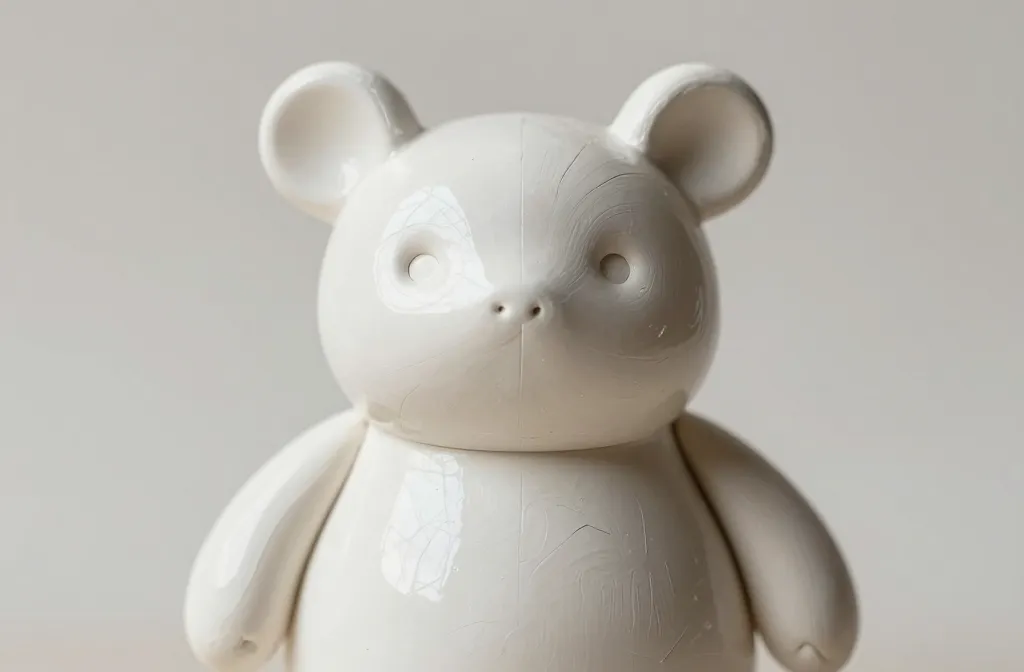
Ever tried painting clay figures and ended up with streaky nightmares? You’re not alone. Let’s turn that mess into smooth, glossy artistry you’re proud to show off at the next craft night.
Why Clay Paint Streaks Happen in the First Place
Streaks aren’t the villain you think they are—they’re usually symptoms. Uneven paint, wrong brush, or paint that’s too thick can turn a cute little clay creature into a telegraph sign. The good news: fix one or two habits, and you’ll notice a big difference.
Choosing the Right Paint for Clay
Not all paints are created equal when it comes to clay. You want formulas that lay down smoothly, adhere well, and cure without cracking. FYI, acrylic paints are a staple, but there are tricks to make them behave.
Bottom-Line Paint Picks
- Water-based acrylics with a creamy consistency
- Polymer paints for a tougher, sealed finish
- Gouache for vibrant, matte looks if you prefer a softer vibe
Prep Like a Pro: Smooth Clay, Smooth Finish
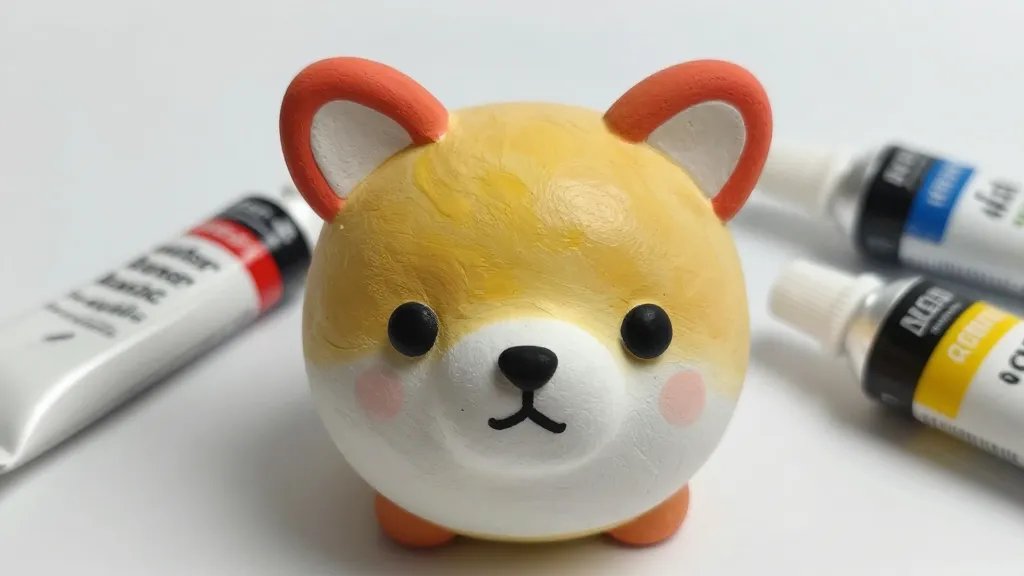
Preparation sets the stage. If the surface isn’t ready, even the best paints will fight you. A little prep goes a long way, and it’s honestly the boring part you’ll appreciate later.
Simple Prep Steps
- Sand the sculpture lightly after it dries to a smooth finish
- Wipe away dust with a tack cloth or damp sponge
- Prime with a thin, even coat to help paint grab on
Brushes, Weights, and Techniques to Beat Streaks
Your tools and technique are the dynamic duo here. Don’t overcomplicate it—just a few smart moves keep things clean and chic.
Brushes That Work
- Soft synthetic bristles for gentle, even coverage
- Flat brushes for broad areas and neat edges
- Fine-tipped brushes for tiny details
Techniques to Try
- Thin coats: think watercolor, not poster paint
- Feathering edges: soft strokes to blend colors
- Light pressure and consistent grip to avoid pooling
Layering Like a Nail Artist, Not a Monster
Layering is where the magic happens. It’s about building color slowly, not slapping on a bulky layer that fights you back. Do it right, and you’ll see depth without the streaks.
Layer Order That Makes Sense
- Base color as a solid foundation
- Mid-tones for dimension
- Highlights and tiny details on top
Sealing and Protecting Your Masterpiece
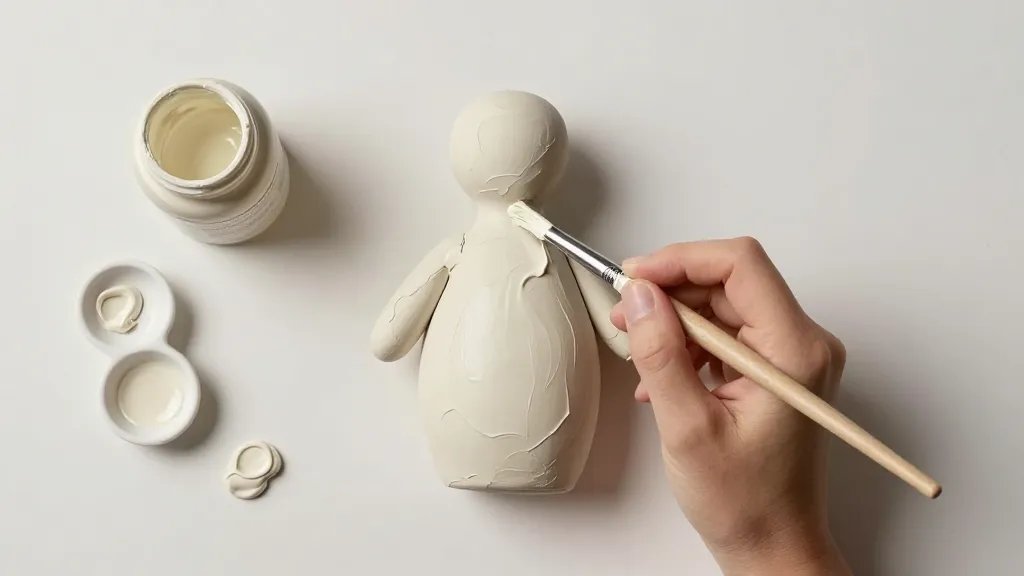
Sealers lock in your hard work and guard against smudges. Pick a sealer that suits your paint kind and the finish you want. FYI, a little goes a long way.
Sealant Options
- Acrylic spray sealers for quick, even coating
- Brush-on varnishes for control at the edges
- Matte vs. Gloss: which vibe are you chasing?
Troubleshooting: Common Streak Fixes On the Fly
Streaks are annoyingly stubborn, but not unbeatable. Here are fast fixes for the most common culprits.
Streaks After the First Coat
Cause: Paint too thick or uneven brush strokes. Fix: Lighten the first coat, then recoat with extra-thin layers.
Clumping on Small Details
Cause: Paint dried too fast or brush loaded with pigment. Fix: Wipe the brush, mist with water, and use tiny, deliberate strokes.
Uneven Sheen Across Surfaces
Cause: Inconsistent pressure. Fix: Keep a steady hand and rotate the figure to paint in controlled circles.
Involving Texture Without Turning It Into a Mess
Texture can add charm, but it’s easy to let it ruin your finish. Control texture with deliberate choices rather than hoping for the best. It’s more fun this way, trust me.
Texture-Ready Surfaces
- Use a fine-grit sanding pad for ultra-smooth surfaces
- Consider a light stipple texture for a rustic vibe before painting
Textured Finishes That Don’t Sabotage Paint
Apply thin glaze coats to maintain color clarity over texture. The glaze acts like a shield, preventing streaks from stealing the show.
FAQ
Can I use acrylic paint straight from the bottle on clay?
Not usually. Thinning with a tiny bit of water or medium helps paint glide smoothly and prevents piling. IMO, test on a spare bit first to dial in your ratio.
What’s the best way to clean brushes between colors?
Wipe excess paint, rinse with lukewarm water, and use a brush conditioner if you’re going long sessions. FYI, never leave brushes soaking in water—the bristles can warp.
Should I seal before or after painting details?
Seal after you finish painting all details. Sealing too early can trap pigment and cause blotches. Save the celebration for the end.
How many thin layers should I apply for solid coverage?
Start with 2–3 thin layers for most pieces. If you still see streaks, add another ultra-thin layer. Remember: patience beats hurry here.
Is it okay to use colored pencils or markers on top of paint?
Yes, for tiny details, but set the paint first with a clear sealant to prevent smudging. Use it sparingly and let each layer dry fully.
Conclusion: You’ve Got This, Paint Star
With the right paints, prep, and a dash of technique, streak-free clay figures become less mythical and more everyday reality. FYI, the key is thin layers, steady hands, and a forgiving mindset. You’ll finish pieces that look polished, not rushed, and you’ll actually enjoy the process this time.