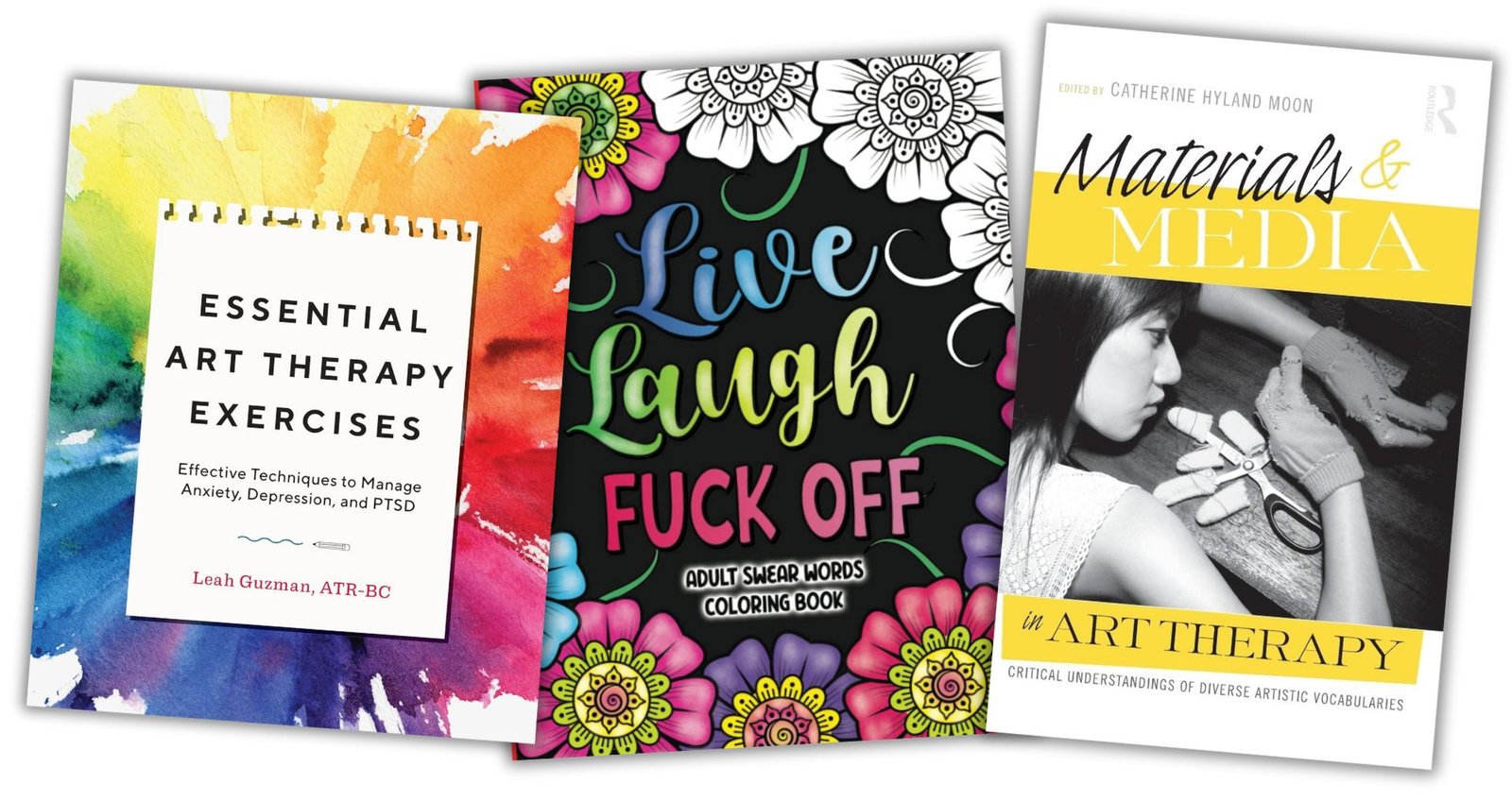
Using Your Creativity for Emotional Wellness
Did you know that art therapy can reduce symptoms of anxiety and depression by up to 70%? Harnessing the power of creativity can be a game-changer for emotional wellness.
Instead of bottling up feelings, why not express them through art? Whether you paint, draw, or sculpt, putting your emotions on paper can lead to profound insights and healing.
Art therapy isn’t just about creating a masterpiece; it’s about exploring your inner world. With each brushstroke or collage piece, you can unlock emotions that may be hidden deep down.
This practice encourages self-discovery and mindfulness, helping you reconnect with yourself in a meaningful way.
Join us on this journey to color your emotions and boost your well-being with six fun and transformative art therapy ideas!


The Basics of Art Therapy
Art therapy combines the creative process of making art with psychological principles to enhance emotional well-being.
It provides a safe space where individuals can express feelings that might be difficult to articulate verbally.
Whether you’re painting, drawing, or crafting, the act of creating can serve as a bridge to deeper self-understanding.
How It Works
In art therapy, trained therapists guide participants in using various artistic techniques to explore their thoughts and feelings.
The focus isn’t on artistic skill but rather on self-expression. This can be particularly beneficial for those who find it hard to share their emotions in traditional talk therapy.
Benefits for Mental Health
Art therapy has been shown to:
For example, a study conducted with children facing trauma revealed that art therapy significantly reduced anxiety levels as they created imagery representing their experiences.
It speaks to the innate power of creativity in healing.
Engaging in art therapy activities facilitates a unique form of communication where words may fail. As we move forward, let’s explore specific art therapy ideas that will allow you to color your emotions effectively.
Color Your Feelings: Painting Emotions
Painting can be a deeply cathartic outlet, allowing you to translate feelings into color. Begin by selecting a range of colors that resonate with your emotional state. Consider how certain hues evoke specific moods:
Color Associations
As you paint, let your feelings guide your brush.
Don’t strive for a “perfect” piece; instead, focus on expressing what you feel in the moment. To get started:
- Gather Supplies: Choose your preferred paints—acrylics, watercolors, or even pastels. A great option is the , which provides vibrant colors for any mood.
- Select a Canvas: Use a traditional canvas, paper, or even a wooden board.
- Set the Mood: Create a comfortable workspace with relaxing music, ensuring you feel free to express yourself.
Once you’ve painted, take a moment to reflect on the colors and shapes you’ve used. What do they represent?
This exploration can deepen your understanding, allowing you to connect with your emotions on a new level.
Next, let’s dive into a creative and meaningful activity that brings self-exploration to life through collage.
Collage of Self-Discovery
Creating a personal collage is an enriching way to explore your identity and emotions through visualization.
This technique encourages you to reflect on various aspects of yourself by assembling a collection of images, words, and textures that resonate with your experiences, dreams, and feelings.
Getting Started
Follow these simple steps to embark on your collage-making journey:
- Collect Materials: Gather magazines, photographs, newspapers, and any other materials that inspire you. You can also use fabric scraps, stickers, or nature items like leaves and flowers.
- Choose a Base: Select a sturdy piece of paper, canvas, or board as your foundation. The size can reflect how expansive or focused you want your exploration to be.
- Identify Themes: Think about what you want your collage to represent. This could include emotions, personal values, or life experiences. Make a list of keywords or phrases that embody these themes.
- Cut and Arrange: As you cut out images and words, play with different arrangements. There are no rules! The process is about discovery and self-expression—let your intuition guide you.
- Glue and Reflect: Once you’re satisfied with the layout, glue everything down. Take a moment to reflect on your collage. What stories are told through the images? How do they make you feel?
This exercise isn’t just about creativity; it’s a path to understanding yourself better. By piecing together fragments of your life, you can uncover hidden narratives and emotions.
Next up, let’s explore the soothing art of mindful doodling, a way to calm the mind and connect with your inner self.
Mindful Doodling: Finding Calm
Doodling isn’t just child’s play—it’s a fantastic way to practice mindfulness and reclaim your sense of serenity in a busy world.
This simple activity can help you clear your mind and connect with your emotions more deeply.
The Power of Doodling
When you allow your pencil or pen to flow freely across the page, you tap into a form of expression that requires no artistic skill.
This makes doodling accessible to everyone, offering a range of emotional benefits:
Get Started with Mindful Doodling
Here are some simple doodling exercises to help you find calm:
- Zentangle Patterns: Start with a simple shape, like a circle or square, and fill it with repetitive patterns and designs. This method encourages focus while allowing your creativity to flow.
- Nature-Inspired Doodles: Sketch flowers, leaves, or waves. Let your imagination explore different forms and shapes as you connect with the natural world.
- Emotion Doodle: Think of an emotion you’re experiencing. Create a visual representation of it through abstract shapes or colors.

Doodling is about enjoying the process rather than achieving a masterpiece. Embrace this creative habit, and you may find that each stroke brings you a little closer to inner peace.
With a calm mind primed for exploration, let’s delve into how sculpting can further enhance your emotional expression.
Sculpting Your Emotions
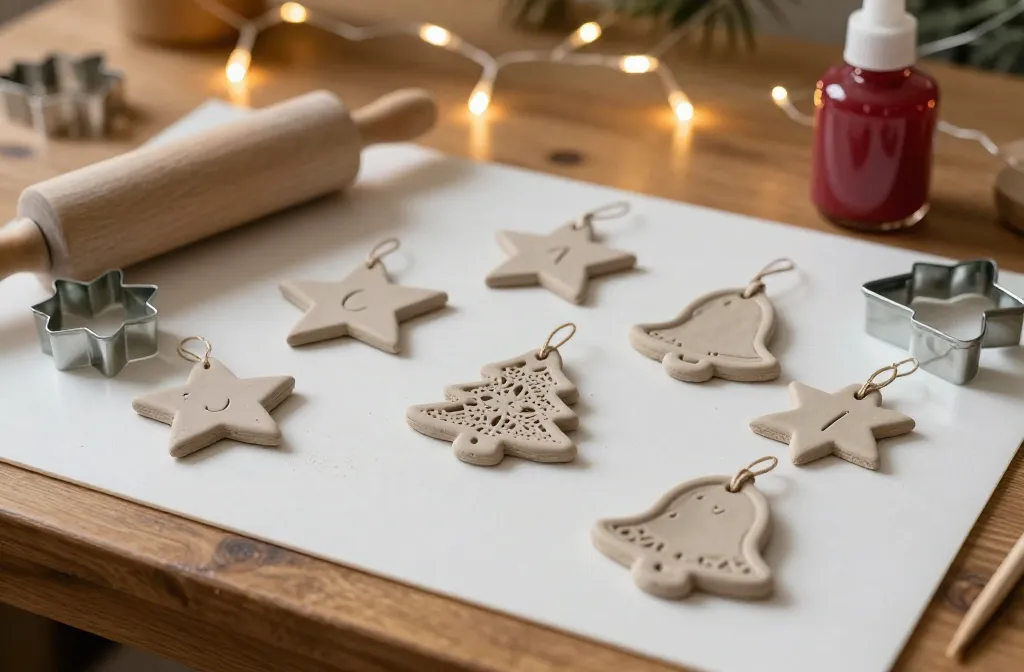
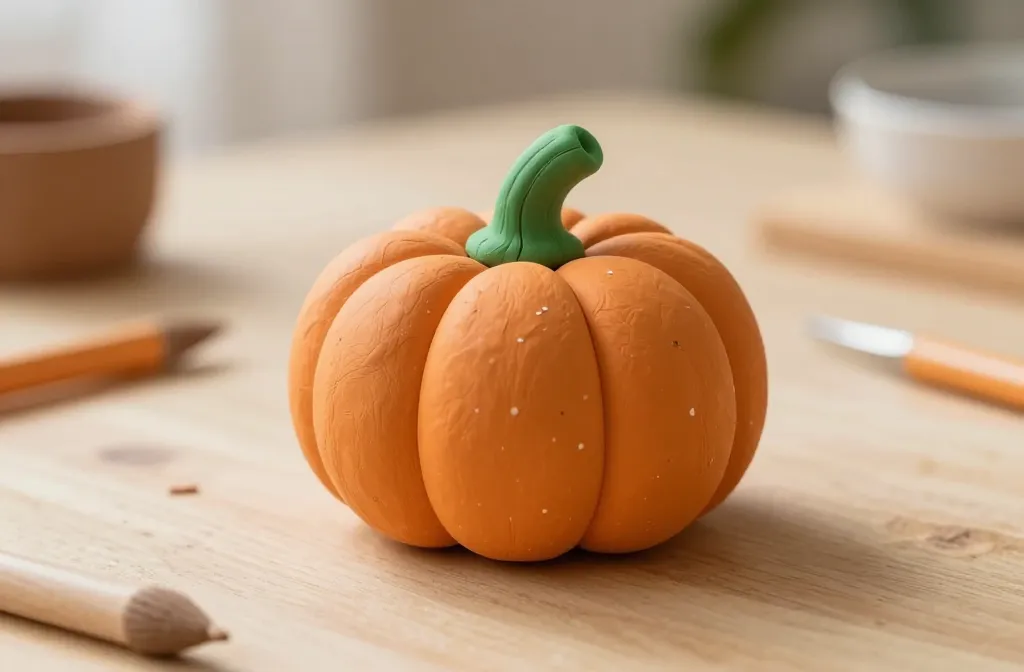
Sculpting offers a unique avenue to express emotions in a tangible form. By shaping materials like clay, you engage your senses and explore feelings beyond what words can convey.
The tactile experience of working with your hands can be particularly grounding and restorative.
Choosing Your Materials
Several materials can facilitate your sculpting journey:
Emotional Connection through Sculpting
Begin by reflecting on how you feel at the moment. Once you identify your emotions, allow them to guide your work:
- Form Creation: Start with simple shapes that represent your current state. Whether it’s a tight ball for anxiety or an open form for peace, follow your intuition.
- Incorporation of Textures: Add details that reflect your experiences. Use tools, your fingers, or even natural items like leaves for textured surfaces, enhancing emotional depth.
- Reflection: Once your piece is complete, take a moment to observe it. What does it represent? How does it feel to have transformed your emotions into a physical object?

Sculpting allows you to embody your emotions and see them represented in a new light.
This process of creation can be empowering and enjoyable as you connect your inner feelings with your art. Now that you’ve shaped your feelings, let’s explore the healing power of nature art in our next section.
The Healing Power of Nature Art
Nature art taps into the serene beauty of the outdoors, combining creativity with the healing effects of nature.
Engaging in art projects using natural materials not only cultivates a deeper appreciation for the environment but also enhances emotional well-being.
Outdoor Art Projects
Here are some fun and fulfilling nature art ideas:
Benefits of Nature Art
Connecting your creativity to the natural world can yield profound benefits:
This creative venture into nature art invites you to reflect and explore, nurturing your well-being. With your spirit enriched by nature’s beauty, let’s transition to our final thoughts on embracing your creative journey.

Embrace Your Creative Journey
As we wrap up this exploration of art therapy, remember that creativity is a powerful tool for emotional healing and self-expression.
Whether you choose to paint your feelings, craft collages, or connect with nature art, each technique offers a unique path to understanding and nurturing your emotions.
Don’t hesitate to dive in—experiment with these ideas and find what resonates with you. Embrace your creative journey, and you may just uncover new insights about yourself along the way.
Let art be your canvas for emotional discovery, and watch as it enhances your well-being. Start today, and color your world with joy and self-awareness!