Unlocking the Power of Play
Playtime is not just about having fun; it’s a vital part of childhood development. When we unlock the power of play, we discover endless opportunities for learning. By integrating educational activities into joyful experiences, parents and caregivers can transform ordinary play into powerful learning moments.
Children are naturally curious, eager to explore the world around them. By harnessing this curiosity, we can foster a love for learning that lasts a lifetime. The activities you engage in during play can teach essential skills while keeping their interest piqued.
In this article, we will explore 5 creative ways to turn playtime into learning time. From crafting with purpose to cooking up knowledge, these engaging ideas will help you turn every moment into a fun and educational experience. So let’s dive in and make playtime an exciting journey of discovery and growth!


Crafting with Purpose: Arts and Crafts
Fostering Creativity and Skills
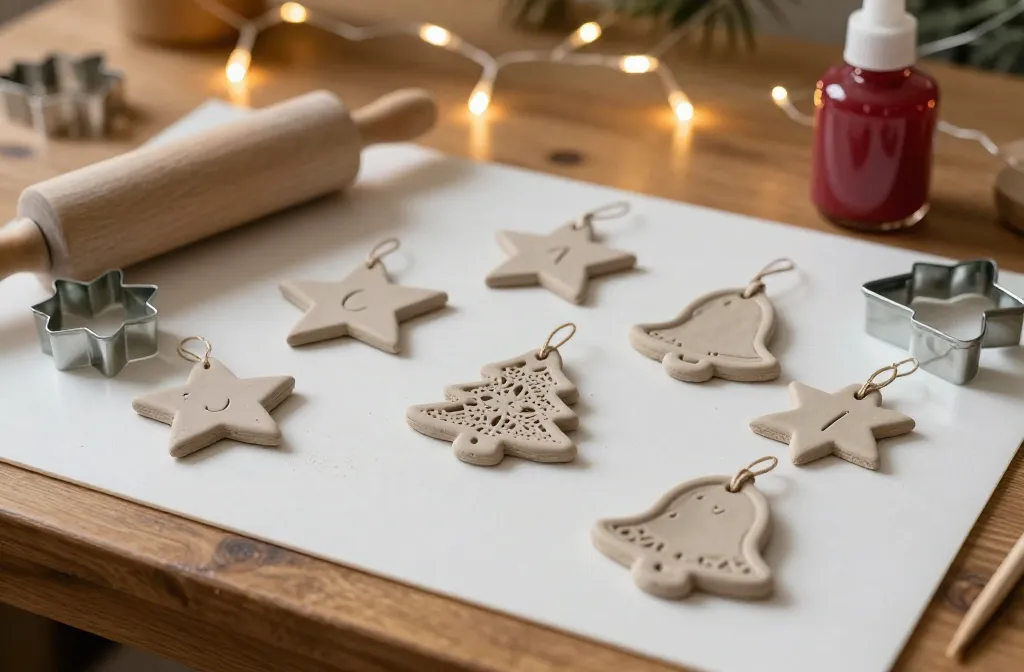
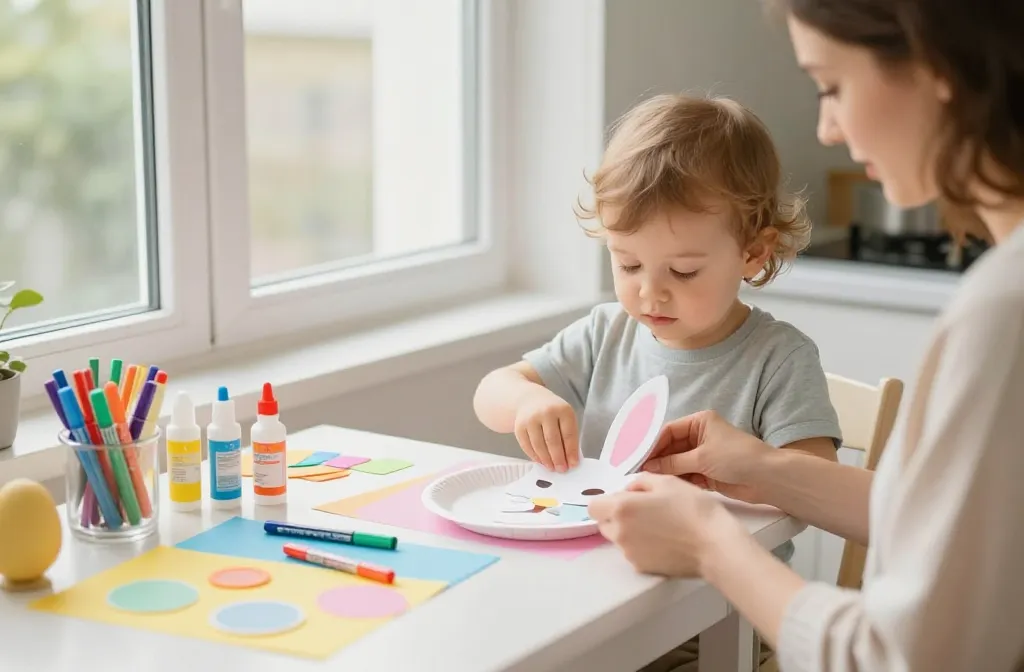
Arts and crafts offer a unique blend of creativity and education. Engaging in these activities allows children to express their artistic side while simultaneously developing essential skills. For instance, activities like cutting, gluing, and drawing enhance fine motor skills—a crucial building block for tasks like writing.
Learning Math Through Craft
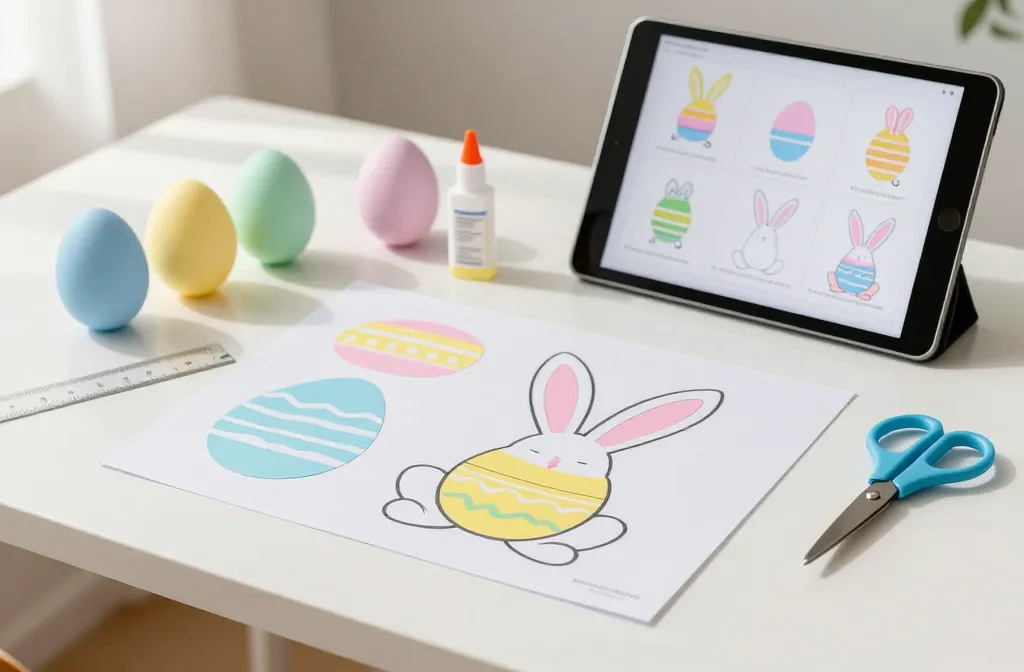
Moreover, arts and crafts can introduce basic math concepts in a fun way. Creating patterns with colored beads or measuring paper for a collage teaches counting, geometry, and spatial awareness. Consider a project where children construct a simple shape collage. They can learn about different shapes as they arrange squares, triangles, and circles, reinforcing concepts of geometry while crafting.
project Ideas to Get Started
Here are some simple project ideas to kickstart your crafting journey:
Encouraging children to share their creations can also foster confidence and social skills. Each art piece can spark stories and inspire discussions about emotions, experiences, and imagination.
As we explore the world around us, the next section will take us outside, where nature becomes a vibrant classroom for learning and discovery.
The Great Outdoors: Nature-Based Learning
Connecting with Nature
Embracing the great outdoors opens a treasure trove of learning opportunities. Nature not only stimulates curiosity but also cultivates scientific inquiry. Engaging in outdoor activities like nature walks and scavenger hunts invites children to explore their surroundings, encouraging keen observation and critical thinking.
Scavenger Hunts
Consider organizing a scavenger hunt in your local park or backyard. List items for your child to find—like different types of leaves, rocks, or even insects. This activity sharpens their observation skills and prompts questions about the environment, such as, “What makes this leaf different from the others?” Your child learns to appreciate biodiversity while enjoying a thrilling hunt.
Nature Walks
Nature walks, too, become a living classroom. As you stroll, discuss the different plants and animals you encounter. Encourage your child to listen closely to the sounds of nature—birds chirping, leaves rustling, or water flowing. These experiences nurture a deeper comprehension of ecosystems and the vital role each component plays.
Real-Life Applications
Here are a few more ideas to enhance outdoor learning:
Incorporating these activities into your regular playtime creates a multi-sensory learning experience, enriching your child’s understanding of the natural world. As we step back indoors, prepare for the magic of storytelling in our next section, where imagination and education intertwine through reading and role-playing.
Storytime Adventures: Reading and Role-Playing
The Magic of Storytelling
Storytelling is one of the most powerful tools for early childhood education. It captivates young minds and sparks their imagination while enhancing literacy and social skills. Sharing stories not only improves vocabulary but also introduces children to different perspectives, cultures, and emotions.
Engaging Through Dramatization
Transforming a story into a theatrical experience can make learning unforgettable. Encourage children to act out their favorite tales or create skits based on the narratives. This dramatization solidifies their understanding and helps them grasp complex themes.
Consider this approach:
Puppet Shows: A Fun Twist
Puppetry is another energetic way to bring stories to life. Children can create their own puppets, utilizing simple materials like socks or paper bags. With the help of these puppets, they can retell stories in unique, entertaining ways.
This hands-on activity builds fine motor skills and nurtures creativity while providing a safe space for kids to express their thoughts and feelings.
Starting Your Storytime Adventure
To embark on your storytelling journey, try these tips:
These interactive storytelling and role-playing moments not only create cherished memories but also develop critical communication skills. As we turn the page, the next section will reveal how playful competition can be a gateway to learning through games.
Game On: Learning Through Playful Competition
The Educational Value of Games
Games are more than just a source of entertainment—they’re a gateway to critical skills like strategy, teamwork, and problem-solving. Incorporating board games, card games, and interactive online games into playtime not only entertains but also teaches valuable lessons. For instance, games like Chess and Settlers of Catan promote strategic thinking, encouraging kids to plan their moves and anticipate their opponents’ actions.
Building Cooperation and Critical Thinking
Not all competition is solitary. Many games foster cooperation and communication. Team-based games, such as cooperative board games like Pandemic, require players to work together toward a common goal. As players strategize, they enhance their ability to negotiate, share ideas, and develop resilience—skills that are essential both in and out of the classroom.

Key Games to Consider
Here are some engaging games that blend fun and education beautifully:
Creating a Game Night Tradition
Establishing a weekly family game night can further enrich this experience. It provides a regular platform for learning, bonding, and laughing together. Rotate game selection so everyone gets a chance to share their favorites, ensuring a diverse array of fun and learning opportunities.
As we gather around the table for games, the next section will invite you into the kitchen, where cooking becomes a delightful avenue for scientific exploration and mathematical practice.
Cooking Up Knowledge: Kitchen Science and Math
Cooking is a perfect blend of creativity and education, transforming the kitchen into a bustling classroom. By engaging in cooking activities, parents and children can explore scientific principles and mathematical concepts seamlessly—while preparing delicious treats together!
Measuring and Counting
Start with simple recipes that require your child to measure ingredients. For instance, making pancakes is a fantastic way to introduce fractions. Have your child measure out 1/2 cup of milk or 1/4 cup of flour, discussing how these fractions fit into a whole and how they combine to make something new. Encourage them to count items as they go; the anticipation of flipping pancakes is a delicious motivator for learning!

Exploring Chemical Reactions
Baking is also an excellent way to demonstrate chemical reactions. Whether it’s the fizz of baking soda in a recipe or watching a cake rise in the oven, children can see real science in action. Encourage questions like, “What do you think will happen if we add more baking powder?” This not only nurtures curiosity but also emphasizes the importance of measurements in chemical processes.
Fun Recipes to Try
Here are a few family-friendly recipes that teach both math and science:
Cooking fosters collaborative learning, encourages experimentation, and creates cherished family memories. Now, as we finish up our culinary journey, let’s reflect on how these playful learning experiences contribute to a holistic approach to education in our conclusion.
Embracing Learning Through Play
As we’ve explored, transforming playtime into learning opportunities is not only possible but essential for fostering creativity and curiosity in children. From engaging in purposeful arts and crafts to embarking on nature-based adventures, each activity serves a dual purpose—fun and education. By integrating reading, role-playing, games, and cooking, we can create enriching experiences that promote cognitive and social development.
Let’s embrace these creative approaches to make every moment of play meaningful. As parents and educators, your involvement is crucial in cultivating a lifelong love for learning. Encourage children to explore, question, and discover—because in the world of play, the possibilities for learning are limitless!