Choosing Between Sennelier and Holbein Oil Pastels: Which Wins?

Sennelier and Holbein Oil Pastels

Dive into the ultimate showdown: can the vibrant allure of Sennelier outshine the creamy richness of Holbein, or will they leave you questioning everything you thought you knew about oil pastels?

Have you ever pondered why artists rave about certain brands? Enter Sennelier and Holbein oil pastels, two titans in the art world! In this comparison, we’ll uncover their unique features, popularity, and qualities that make them stand out. Let’s dive into the vibrant universe of oil pastels!

Best for Professionals

8.5

This set is a fantastic introduction to the world of oil pastels, offering an array of rich colors and superior blending properties. Artists will appreciate the creamy texture and high-quality pigments, making it a worthwhile investment for serious creators.

Great for Beginners

7.9

While this set offers a good selection of colors at a reasonable price, it may not match the premium quality found in higher-end options. However, it’s a solid choice for beginners looking to explore oil pastels without a large investment.

Sennelier Pastels

Texture Quality
9.5
Color Vibrancy
9
Blendability
9.7
Packaging Design
8.5
Value for Money
7

Holbein Pastels

Texture Quality
8
Color Vibrancy
8.5
Blendability
8.2
Packaging Design
7
Value for Money
8

Sennelier Pastels

Advantages
  • Exceptional creamy texture
  • High color vibrancy
  • Excellent blending capabilities
  • Acid-free and archival quality
  • Large variety of colors

Holbein Pastels

Advantages
  • Good color selection
  • Reasonable price
  • Decent blending ability
  • Compact and portable packaging
  • Suitable for beginners

Sennelier Pastels

Drawbacks
  • Higher price point
  • May require practice to master
  • Not all colors are as vibrant as others

Holbein Pastels

Drawbacks
  • Fewer colors than competitors
  • Less creamy texture compared to Sennelier
  • Some colors not as vibrant
1

Brand Overview: Sennelier vs. Holbein

Sennelier: A Tradition of Excellence

Founded in 1887 in Paris, Sennelier has earned its reputation as a premier manufacturer of art supplies, catering to professional artists for over a century. Known for their meticulous craftsmanship, Sennelier oil pastels are made from high-quality mineral and organic pigments combined with a unique binder. This dedication to quality has attracted artists like Pablo Picasso, who favored Sennelier products. The brand’s commitment to producing archival-quality materials ensures that artworks created with their pastels maintain their vibrancy over time.

Holbein: Innovation Meets Tradition

Holbein, established in Japan in 1900, carries a rich artistic heritage of producing high-quality art materials. They are particularly recognized for their innovations and meticulous attention to detail, notably in oil pastels. Holbein products are designed to cater to a global audience, combining traditional Japanese craftsmanship with modern technology. Their oil pastels have become a go-to for many artists, offering unique qualities like softness and ease of application, making them a popular choice among both professionals and hobbyists.

Commitment to the Artistic Community

Both brands demonstrate a robust commitment to the artistic community through their continuous development of products that inspire creativity. They actively engage with artists, promoting skill development through workshops and events. Whether you lean towards the traditional boldness of Sennelier or the innovative flair of Holbein, both brands uphold an unwavering standard of quality that resonates with artists around the world.

2

Product Composition and Quality

When it comes to oil pastels, the materials used can significantly impact an artist’s experience. Let’s dive into the composition and quality of Sennelier and Holbein oil pastels to see how they measure up.

Sennelier Oil Pastels

Pigment Quality: Sennelier oil pastels are crafted from carefully selected mineral and organic pigments, ensuring vibrant, long-lasting colors. The high concentration of these pigments offers exceptional covering power.
Binder and Wax: These pastels feature a specially formulated non-drying binder combined with high-quality wax, providing a creamy texture that’s easy to apply. The acid-free composition enhances their durability and archival quality, making them suitable for professional artwork.
Performance: The blend of materials in Sennelier pastels allows for excellent blending capabilities and vibrant color delivery, making them ideal for both intricate and expansive works of art.

Holbein Oil Pastels

Pigment Quality: Holbein also emphasizes high-quality pigments; however, the range does not boast quite the same intensity as Sennelier’s offerings. While still vibrant, some artists find certain colors less saturated.
Binder and Composition: Holbein pastels are designed with a softer feel, thanks to a unique oil and wax blend that creates a different viscosity. This makes them enjoyable for techniques that require subtlety, but they may not deliver the same level of creaminess as Sennelier.
Performance: Users appreciate Holbein’s decent blending ability, but due to the softer texture, color application may feel less controlled compared to Sennelier’s creamier pastels.

Both brands offer high-quality products, but the choice between them may come down to specific preferences regarding texture and pigmentation. Whether you’re seeking vibrant, creamy strokes or a softer touch, each offers distinct advantages to enhance your artistic journey.

Feature Comparison

Sennelier Pastels vs. Holbein Pastels
VS
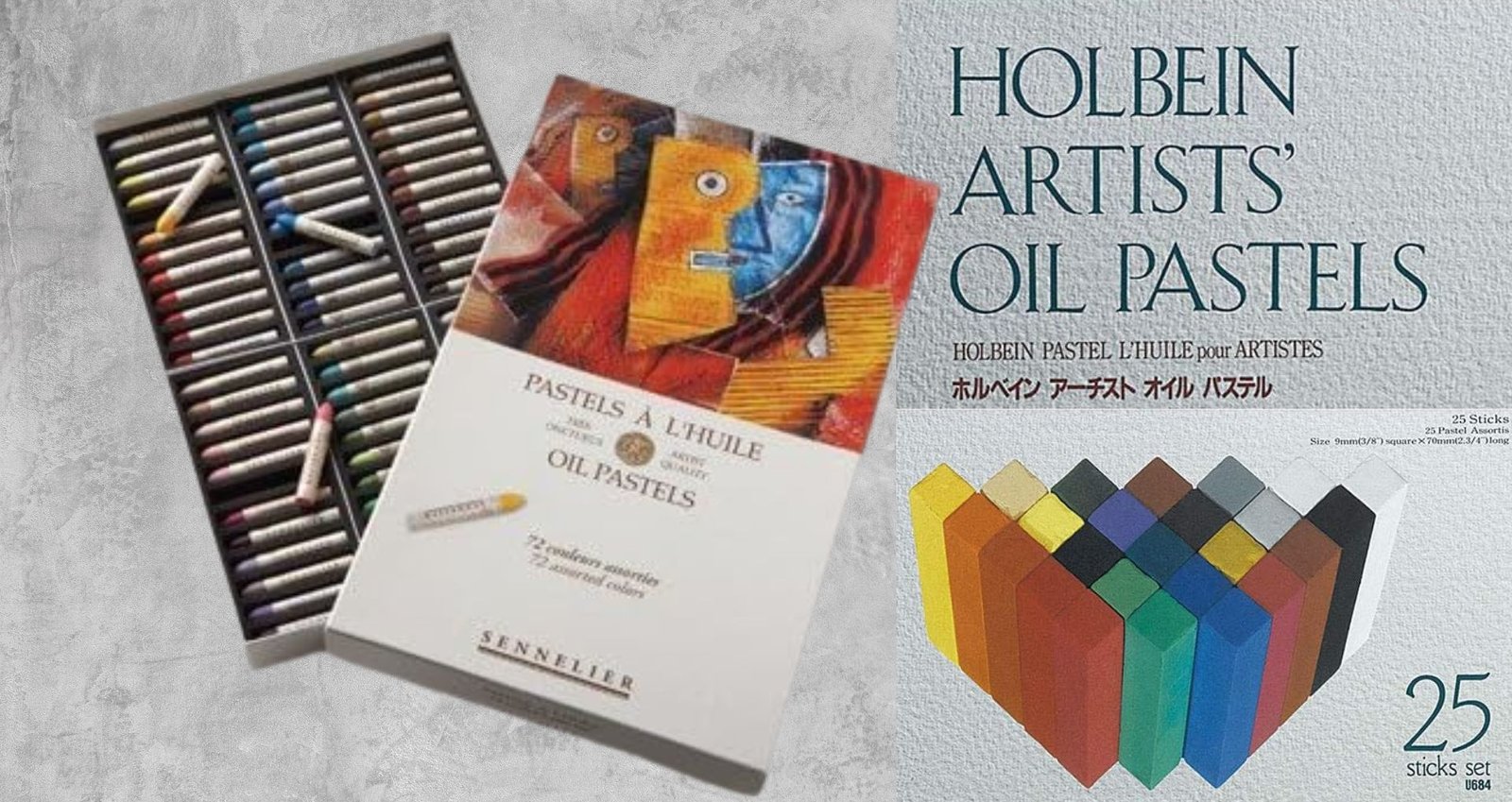
Number of Colors
72
VS
25
Texture Quality
Exceptional creamy
VS
Good but firmer
Blendability
Superior
VS
Decent
Packaging Design
Elegant box
VS
Compact box
Archival Quality
Acid-free
VS
Not specified
3

Color Range and Versatility

When it comes to creating art, the variety of colors available can greatly influence the artist’s creative process. Let’s explore how the Sennelier 72-color set stacks up against the Holbein 25-color set.

Sennelier 72-Color Set

Vast Selection: The Sennelier oil pastel assorted set includes an impressive 72 colors, providing a rich palette that allows for a wide range of expressions. From soft pastels to vibrant hues, artists can easily find the perfect shade.
Rich Pigment Quality: Crafted with high-quality mineral and organic pigments, the colors are vibrant and have excellent covering power, enabling artists to create depth and contrast in their work.
Versatile Usage: This versatile range not only suits traditional oil pastel techniques but also complements mixed media applications, opening up various creative avenues.

Holbein 25-Color Set

Compact Variety: The Holbein oil pastel set, though smaller with only 25 colors, still offers a decent selection for beginners or those needing portability. Colors like Carmine Vermilion and Ultramarine provide essential primary and secondary options.
Quality Over Quantity: Despite the limited range, Holbein’s pastels maintain a satisfactory pigment quality, making them suitable for basic artwork. However, some users note that certain colors may lack the vibrancy found in Sennelier.
Suitable for Entry-Level Artists: Due to its simpler palette, this set can be perfect for newcomers looking to familiarize themselves with oil pastels without feeling overwhelmed.

Ultimately, while Sennelier offers a more comprehensive palette for seasoned artists, Holbein provides a practical option for beginners, allowing for creativity without the excess. Both sets bring unique strengths to the table based on the artist’s needs, whether seeking extensive variety or focused essentials.

4

User Experience: Application and Techniques

When it comes to applying oil pastels, the experience largely hinges on texture, blending capabilities, and the effectiveness of various techniques. Here’s how Sennelier and Holbein stack up based on user feedback from artists who have embraced both products.

Sennelier Experience

Texture: Artists rave about the creamy texture of Sennelier oil pastels, which glides smoothly onto the paper. This texture allows for effortless layering and rich application.
Blending Capabilities: Many users highlight the outstanding blending ability of Sennelier pastels. The high concentration of pigments allows for seamless transitions between colors, ideal for creating depth and dimension.
Techniques: Whether it’s traditional drawing or mixed media, Sennelier’s pastels perform beautifully across various techniques. Artists have reported great success using them for oil pastel painting, sketching, and even as a base layer for other mediums.

Holbein Experience

Texture: Holbein pastels offer a softer feel; however, some artists note that this softness can hinder precise control. This may suit certain styles, but it requires a bit of adaptation for those used to firmer pastels.
Blending Capabilities: While Holbein pastels do blend well, users mention that they do not achieve the same level of blending magic that Sennelier provides. Some colors may also lose vibrancy when mixed.
Techniques: Holbein is often favored for detailed work, especially for artists who prefer softer strokes and less intense color blending. They excel in applications requiring subtle textures, such as portrait work or delicate backgrounds.

Ultimately, the user experience of each brand varies widely and caters to different artistic preferences. Whether you favor Sennelier’s vibrancy and creamy application or Holbein’s softer textures, both offer unique benefits to enrich your artistic pursuits.


Conclusion: The Final Verdict

In summarizing the comparison, Sennelier emerges as the clear winner, especially for those seeking vibrant color and creamy application. With a broader color range and superior blending capabilities, it’s ideal for serious artists. However, if you’re starting or need portability, Holbein is a practical choice. What will you create with your pastels?

Share:

Craft Product Reviews:

Send Us A Message